Gettysburg Travel Guide
Historic borough best known for its Civil War battlefield, preserved heritage sites, museums, and strong tourism-driven economy.
Places to See in Gettysburg
Featured Locations
Dough4872, CC BY-SA 4.0, via Wikimedia Commons; Image Size Adjusted

Eisenhower National Historic Site
Preserved presidential farmstead offering guided tours of the home, grounds, and legacy of Dwight D. Eisenhower.
Dough4872, CC BY-SA 4.0, via Wikimedia Commons; Image Size Adjusted
Eternal Light Peace Memorial
Towering stone monument crowned with an eternal flame commemorating unity and peace following the Civil War.
Dough4872, CC BY-SA 4.0, via Wikimedia Commons; Image Size Adjusted
Gettysburg Diorama and History Center
Immersive light and sound show featuring a massive 3D diorama that brings the entire Battle of Gettysburg to life in miniature.
Dough4872, CC BY-SA 4.0, via Wikimedia Commons; Image Size Adjusted
Gettysburg Heritage Center
Interactive museum offering immersive exhibits, films, and artifacts that explore the civilian and military experience of the Battle of Gettysburg.
Dough4872, CC BY-SA 4.0, via Wikimedia Commons; Image Size Adjusted
Gettysburg Museum of History
Private museum featuring thousands of original artifacts from the Civil War, World Wars, U.S. presidencies, and pop culture icons.
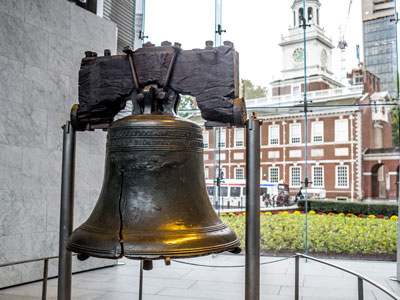
Kevin Burkett from Philadelphia, Pa., USA, CC BY-SA 2.0, via Wikimedia Commons; Image Size Adjusted

Gettysburg Museum of History
Rows of military grave markers, memorials, and monuments honor thousands of United States service members, including many soldiers who died during the Civil War, in a landscape closely associated with Abraham Lincoln’s Gettysburg Address.
Dough4872, CC BY-SA 4.0, via Wikimedia Commons; Image Size Adjusted
Gettysburg National Military Park
Park protects and interprets the landscape of the 1863 Battle of Gettysburg during the American Civil War
Dough4872, CC BY-SA 4.0, via Wikimedia Commons; Image Size Adjusted
Jennie Wade House Museum
Authentically preserved Civil War-era home commemorating the only civilian killed during the Battle of Gettysburg.
Dough4872, CC BY-SA 4.0, via Wikimedia Commons; Image Size Adjusted
Rupp House History Center
Historic home-turned-museum offering immersive exhibits on civilian life during the Battle of Gettysburg, with interactive displays for children.

Dough4872, CC BY-SA 4.0, via Wikimedia Commons; Image Size Adjusted
Shriver House Museum at Gettysburg
Restored 1860s home offering guided tours that reveal the civilian experience during the Battle of Gettysburg through the eyes of the Shriver family.
Overview
Gettysburg is a small town of about 7,500 people in south-central Pennsylvania, famous as the site of the Battle of Gettysburg, fought July 1-3, 1863, the largest battle of the Civil War and its turning point, and of Abraham Lincoln's Gettysburg Address on November 19, 1863. The battlefield, with more than a thousand monuments, markers and cannons, is one of the most visited historic sites in the United States, and the town around it is one of the most popular destinations for Civil War history.
People come to Gettysburg to tour the battlefield by car, bus or bike, walk to Little Round Top and Cemetery Ridge, visit the museums and the National Cemetery, stand where Lincoln spoke, and see the preserved downtown around Lincoln Square. Many visitors also enjoy the ghost tours, the nearby orchards and wineries of Adams County, and the Civil War reenactments held every summer.
History
Gettysburg was founded in 1786 by James Gettys and became the county seat of Adams County in 1800. In late June 1863, General Robert E. Lee's Confederate army marched into Pennsylvania, and on July 1 the armies collided west and north of the town. After three days of fighting, including the Union defense of Little Round Top and Culp's Hill and the Confederate assault known as Pickett's Charge, Lee retreated. The battle left about 51,000 casualties, and thousands of wounded filled the town's homes and churches. On November 19, 1863, President Lincoln gave his 272-word Gettysburg Address at the dedication of the Soldiers' National Cemetery. The battlefield became a national military park in 1895 and is now run by the National Park Service. President Dwight Eisenhower later retired to a farm next to the battlefield.
Sightseeing and Popular Landmarks
Gettysburg National Military Park covers about 6,000 acres, with a 24-mile auto tour route past Little Round Top, Devil's Den, the Wheatfield, Cemetery Ridge and the Virginia Memorial. The Museum and Visitor Center has films, exhibits and the Gettysburg Cyclorama, a huge 1883 painting of Pickett's Charge. Gettysburg National Cemetery is where Lincoln delivered his address, and the Eternal Light Peace Memorial, dedicated in 1938 by President Franklin Roosevelt on Oak Ridge, honors the veterans of both sides. The Eisenhower National Historic Site preserves the president's farm.
Culture and Museums
In town, the Jennie Wade House Museum tells the story of the only civilian killed in the battle, and the Shriver House Museum shows a family home used by Confederate sharpshooters. The Rupp House History Center, the Gettysburg Heritage Center, the Gettysburg Museum of History and the Gettysburg Diorama and History Center present artifacts and stories. Remembrance Day each November, with a parade and a ceremony at the cemetery, and the summer Gettysburg Reenactment events are major events, and Gettysburg College and the Lutheran Seminary Ridge Museum add to the learning.
Parks
The military park itself is the town's biggest green space, with trails, bike routes and guided tours. Nearby, Caledonia State Park and Pine Grove Furnace State Park, both in the South Mountain area, have hiking, swimming and camping, and the Appalachian Trail crosses the ridge to the west. Adams County's apple and peach orchards and cider farms are popular stops in summer and fall.
Seasons and Weather
Gettysburg has a humid continental to humid subtropical climate with four seasons. Summers are warm and humid, with highs in the 80s °F, and the battle anniversary in early July is the busiest time, with crowds and heat. Spring and fall are the best seasons for walking the battlefield, with fall foliage and the Remembrance Day events in November. Winters are cold, with highs in the 30s and 40s °F and snow, which can close some roads and attractions, but the park stays open and has the fewest visitors.
This article uses material from the Wikipedia article for Gettysburg, Pennsylvania and information from the official Destination Gettysburg, Visit Gettysburg PA, Visit The USA and National Park Service: Gettysburg National Military Park websites, as well as the National Weather Service State College. Wikipedia content is available under the Creative Commons Attribution-Share-Alike License 3.0.