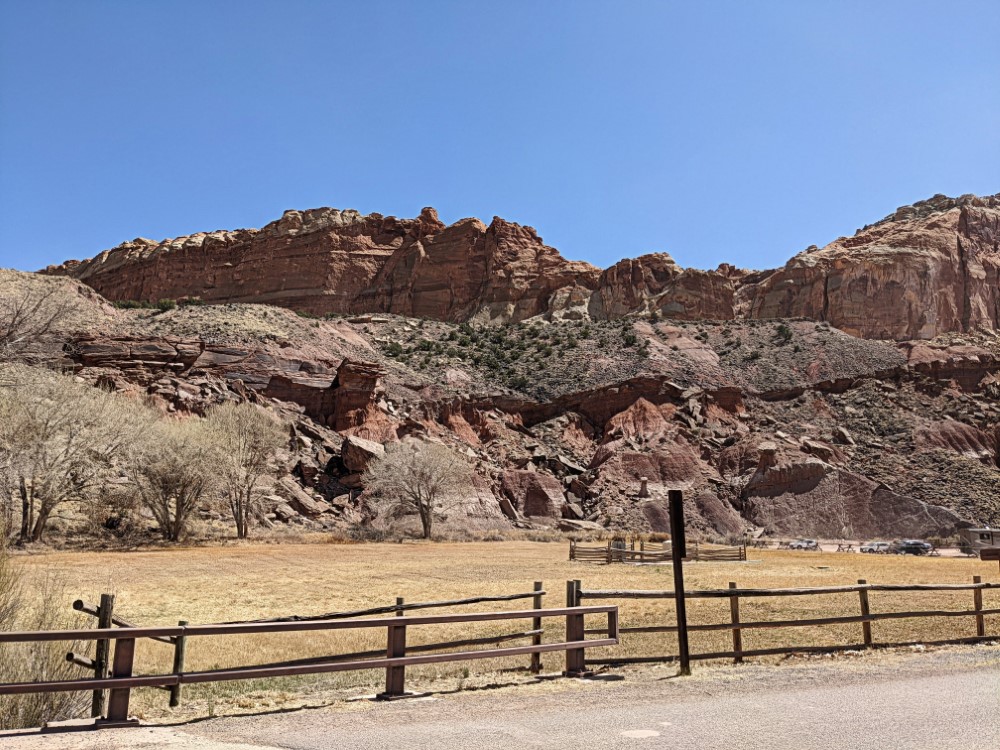
A historic agricultural settlement featuring preserved pioneer structures, working orchards, and cultural landscapes maintained within a desert oasis.
★Rating:5.0
General Information.
Hours:
Open 24 hours year‑round; historic structures accessible outdoors at all times.
Gifford House Store & Museum open daily from 9:00 AM–4:30 PM, March 14 through late November (45‑minute closure from 12:00–12:45)
Fees:
Free to visit the historic district; standard park fee applies only to the Scenic Drive and not to Fruita itself
Pet Policy:
Pets allowed in developed areas such as roads, campgrounds, picnic areas, and unfenced/unlocked orchards; must be leashed (6 ft) at all times
Closest cities with hotels:
Torrey, UT (10 mi)
Hanksville, UT (33 mi)
Seasons:
All year (spring and fall offer the most comfortable weather; orchard harvest seasons vary by fruit type)
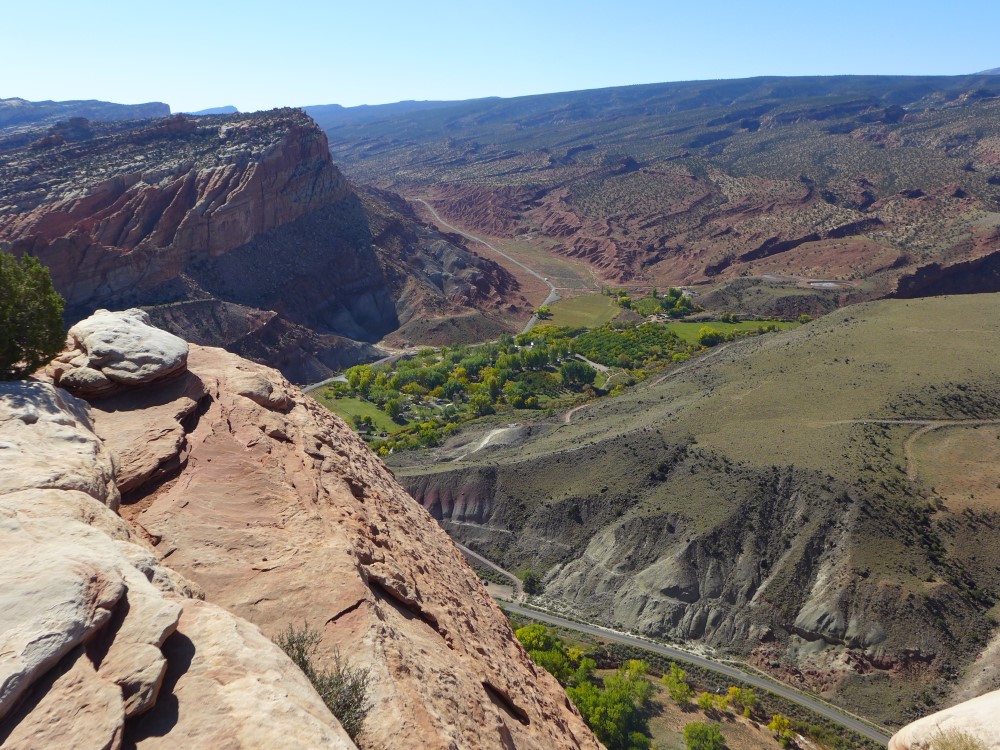
From Capitol Reef National Park Visitor Center: Continue southeast on Highway 24 for less than a mile to reach the heart of the Fruita Historic District, including its orchards, historic buildings, campground, and picnic areas.
Overview
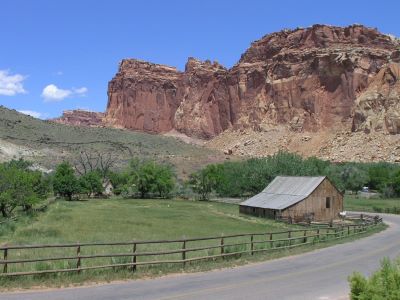
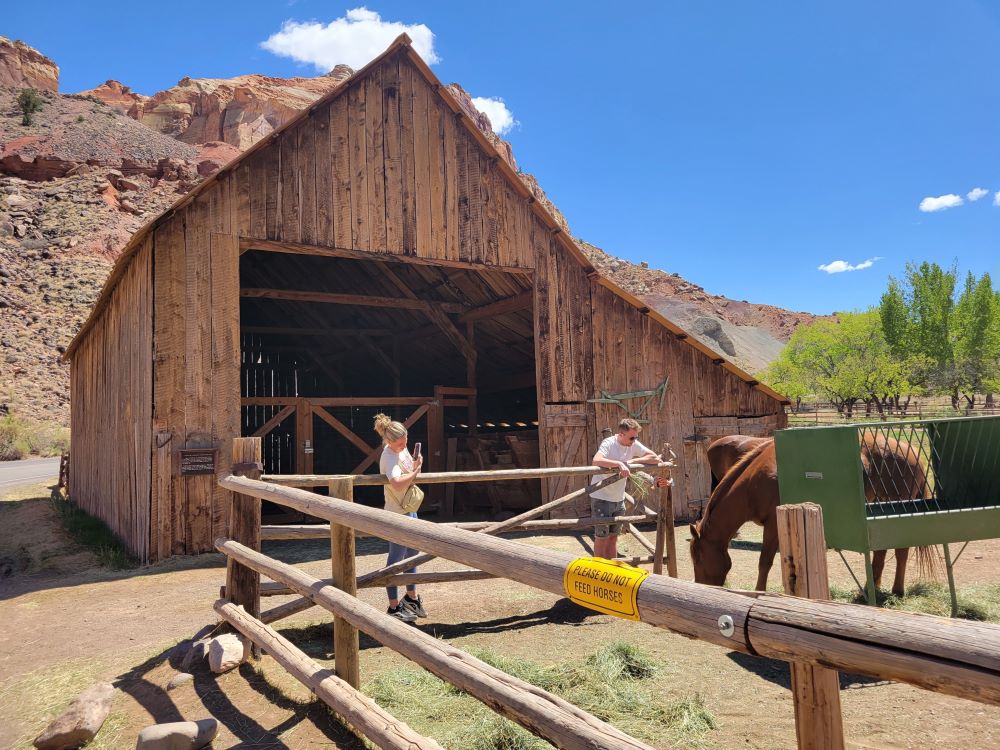
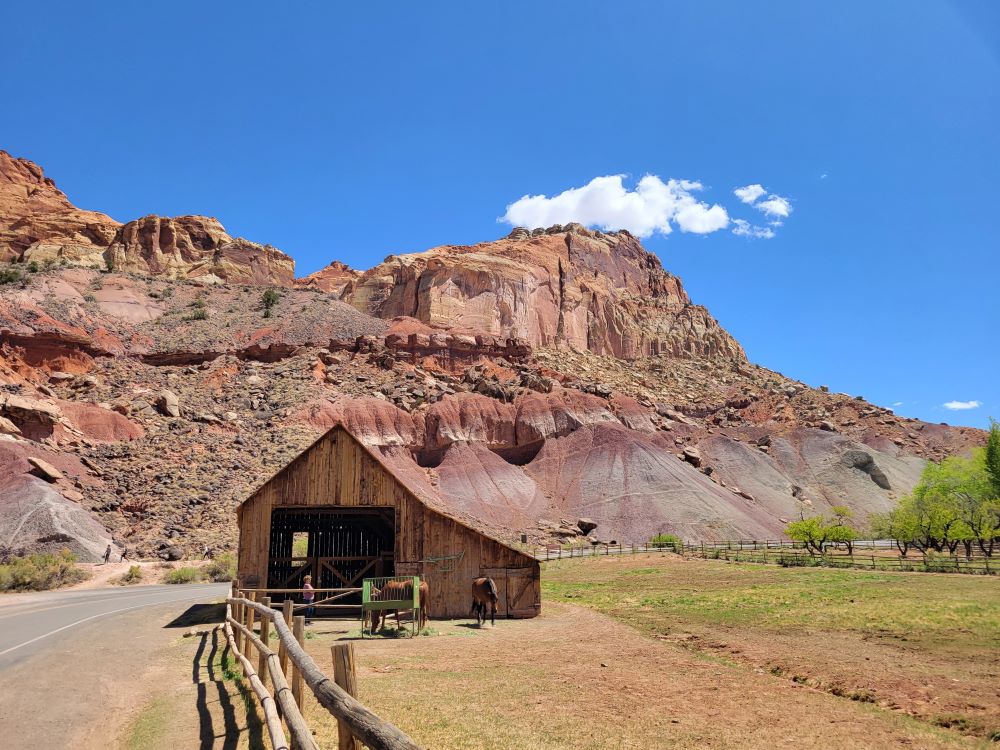
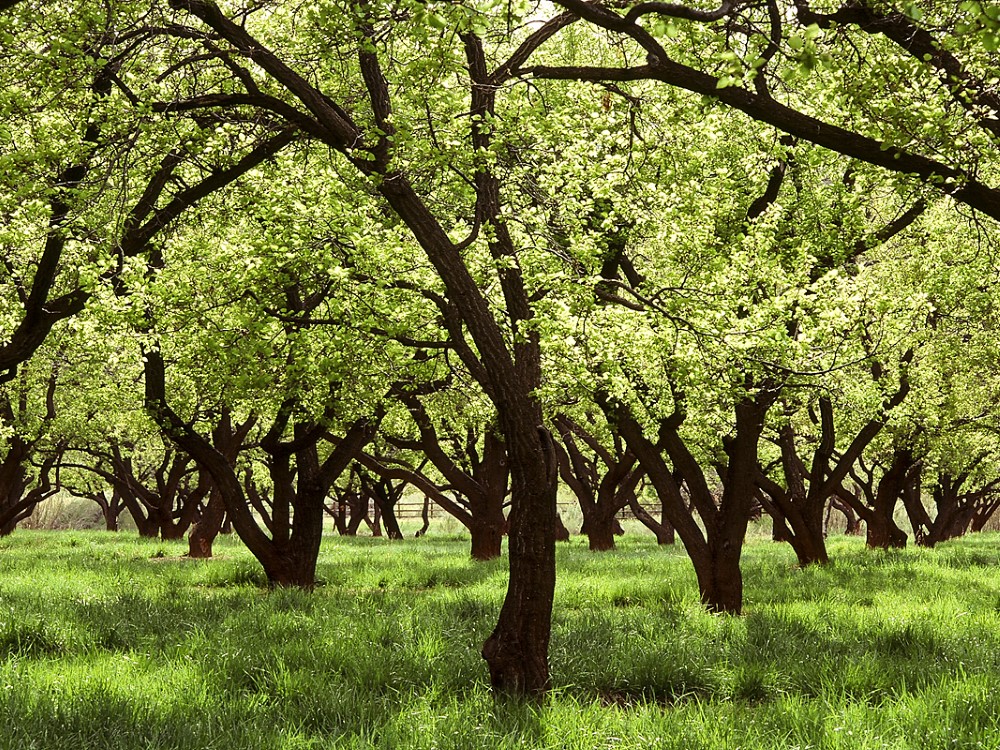
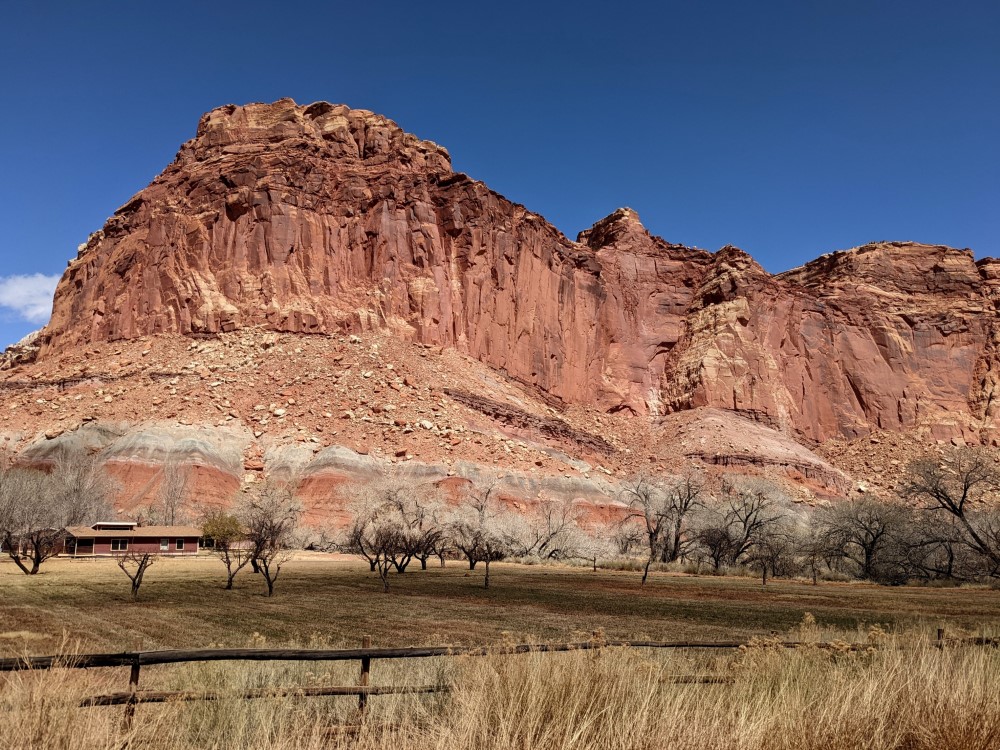
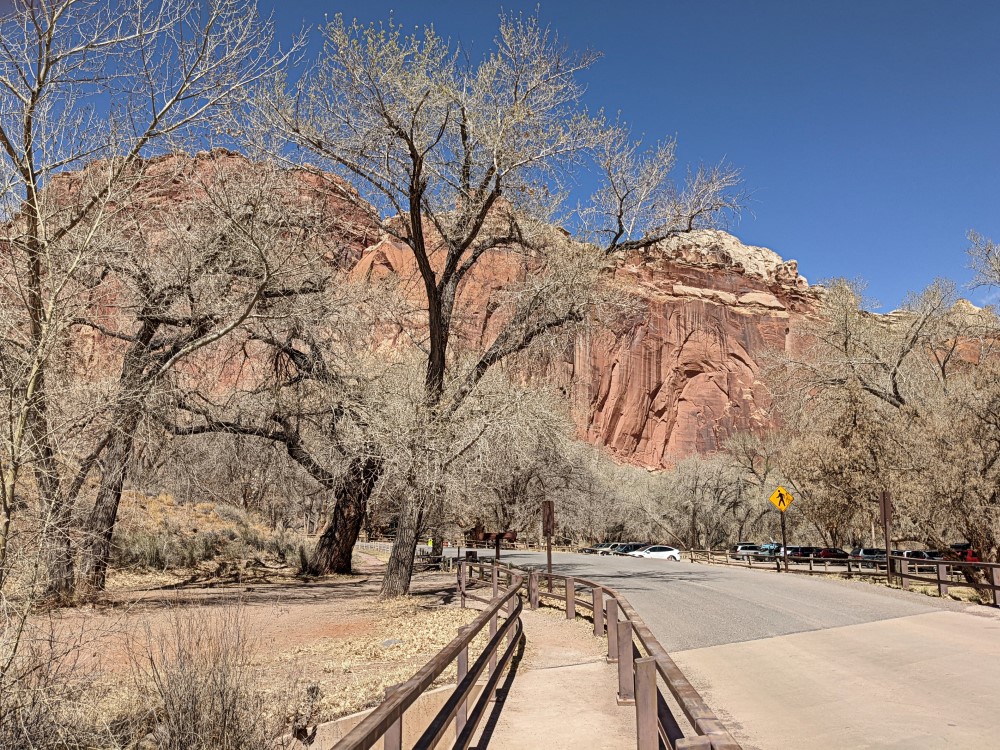
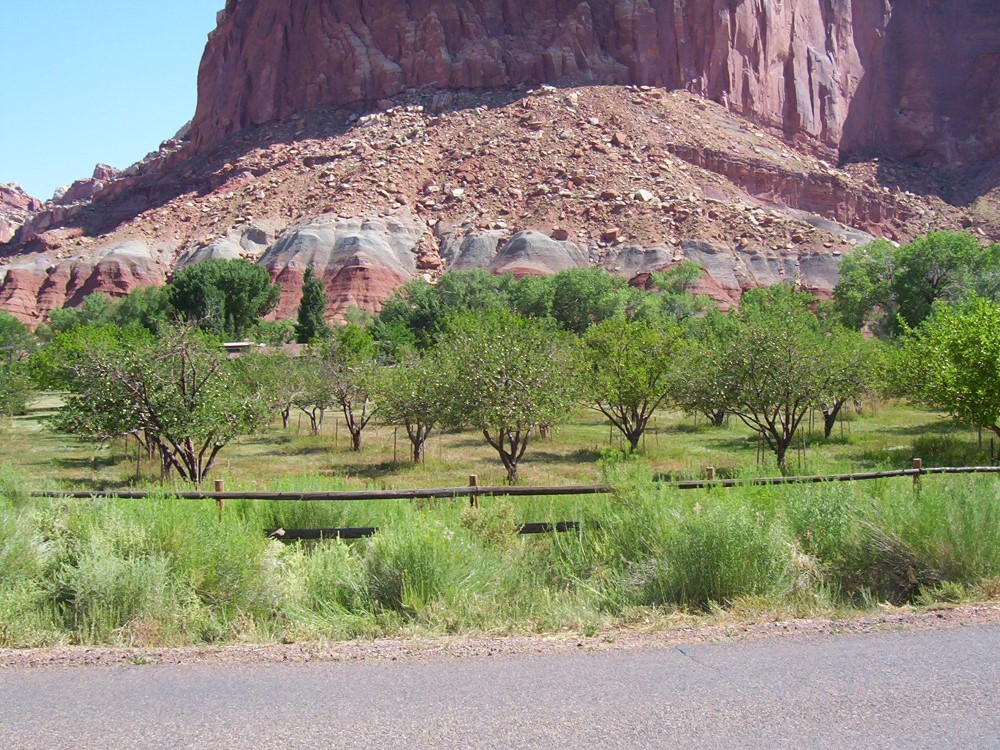
The Fruita Historic District preserves a rare desert oasis shaped by generations of human adaptation, where fertile soils beside the Fremont River allowed early Indigenous communities and later pioneer settlers to cultivate a thriving agricultural hamlet. Today, the district’s orchards—planted with heirloom varieties of apples, cherries, apricots, peaches, and other fruits—continue to bloom and bear harvests much as they did a century ago. Surrounded by towering cliffs and deep red rock canyons, Fruita blends natural wonder with cultural heritage, inviting visitors to walk among historic homesteads, shade trees, and flowing irrigation ditches that tell the story of resilience in an arid landscape.
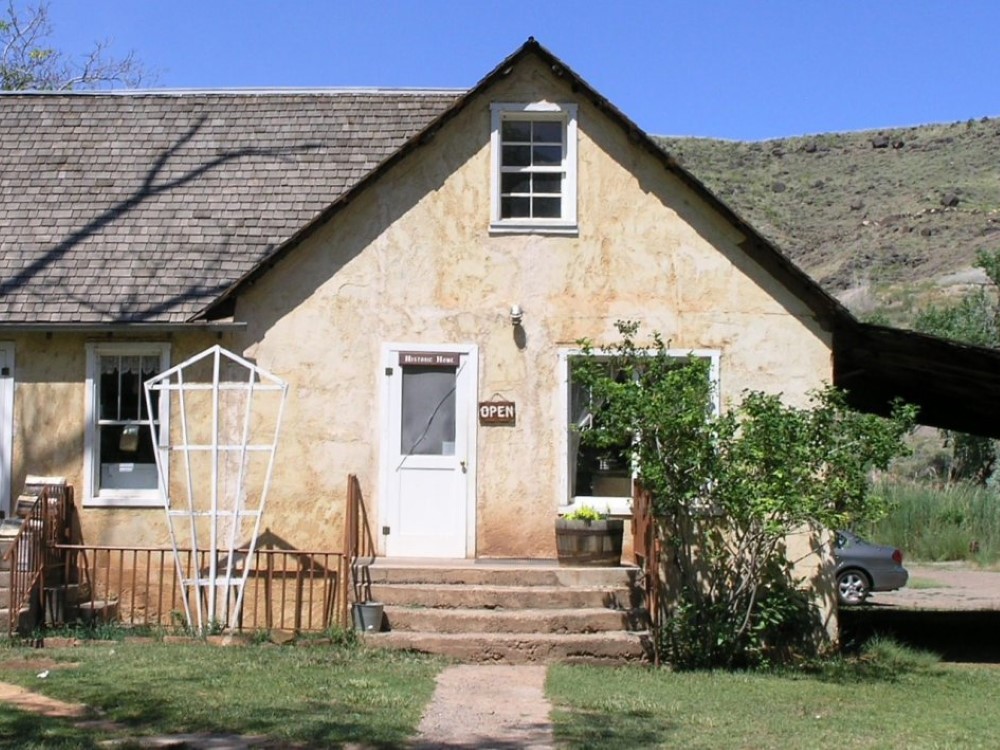
Visitors can explore preserved structures such as the one‑room Fruita Schoolhouse and the Gifford Homestead, where exhibits and handmade goods reflect the daily life of the community that once lived here. Trails, shaded picnic areas, and open orchards create a uniquely welcoming environment rarely found in canyon country. Whether walking past the blacksmith shop, tasting fruit in season, or watching wildlife amid the cottonwoods, the district offers an intimate look at the living history of Capitol Reef. Its year‑round accessibility, scenic backdrop, and blend of nature and culture make Fruita a beloved centerpiece of the park.
History
The Fremont people farmed along the Fremont River from about AD 600 to 1300 and left petroglyphs on the canyon walls. Mormon settlers arrived in the 1880s and planted orchards, and the community was named Fruita in 1902. The National Park Service bought the last private land in the 1960s, and it still maintains the orchards.
Things to Do
Pick Fruit in the Orchards
When orchards are open for picking, visitors can harvest cherries, apricots, peaches, pears and apples for a small fee.
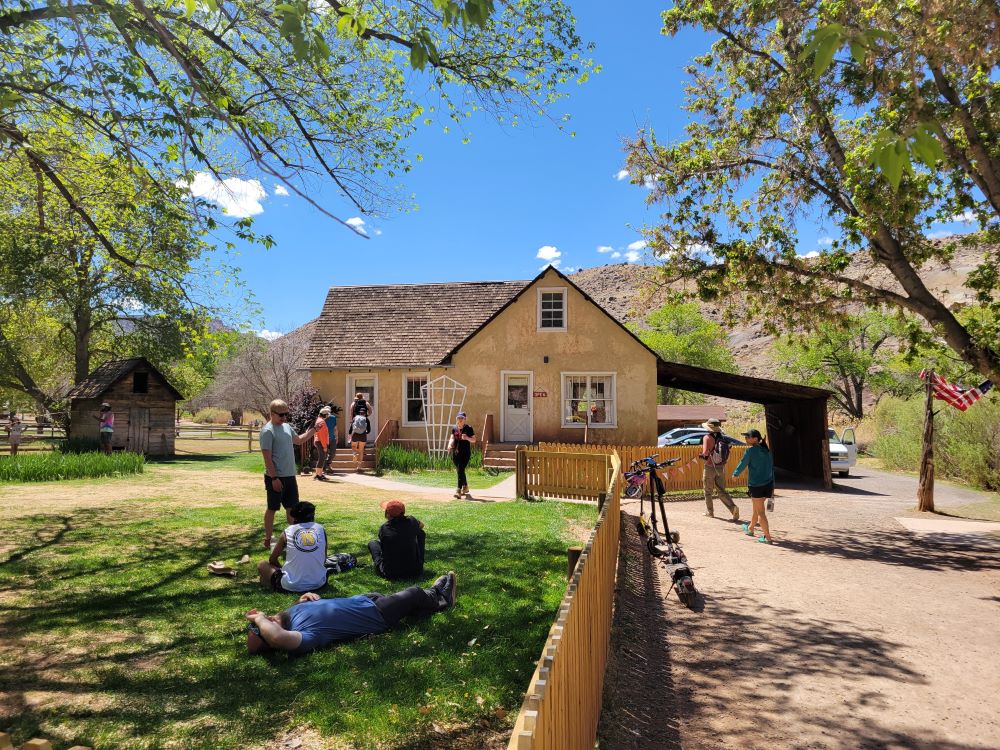
Visit the Gifford House
The historic farmhouse sells homemade pies and local crafts.
See the Fruita Schoolhouse
The one-room log schoolhouse is along Utah 24.
Camp at Fruita Campground
The campground sits among the orchards beside the river.