
A vibrant mountain valley community known for its outdoor recreation, cultural institutions, and a major research university that shapes its economy and lifestyle.
General Information
- Seasons:
- Late spring through early fall (May–June and September) offer the most comfortable weather, while summer is warm and winter features snow and cold temperatures ideal for seasonal activities
- Location:
- Logan, UT 84321
- Website:
- loganutah.gov
How to Get There
From Salt Lake City, UT (82 mi): Take I-15 N from Salt Lake City toward Ogden, then continue north and take US-89 N toward Logan. Follow US-89 N through Brigham City and into Cache Valley, continuing directly into Logan.
Overview
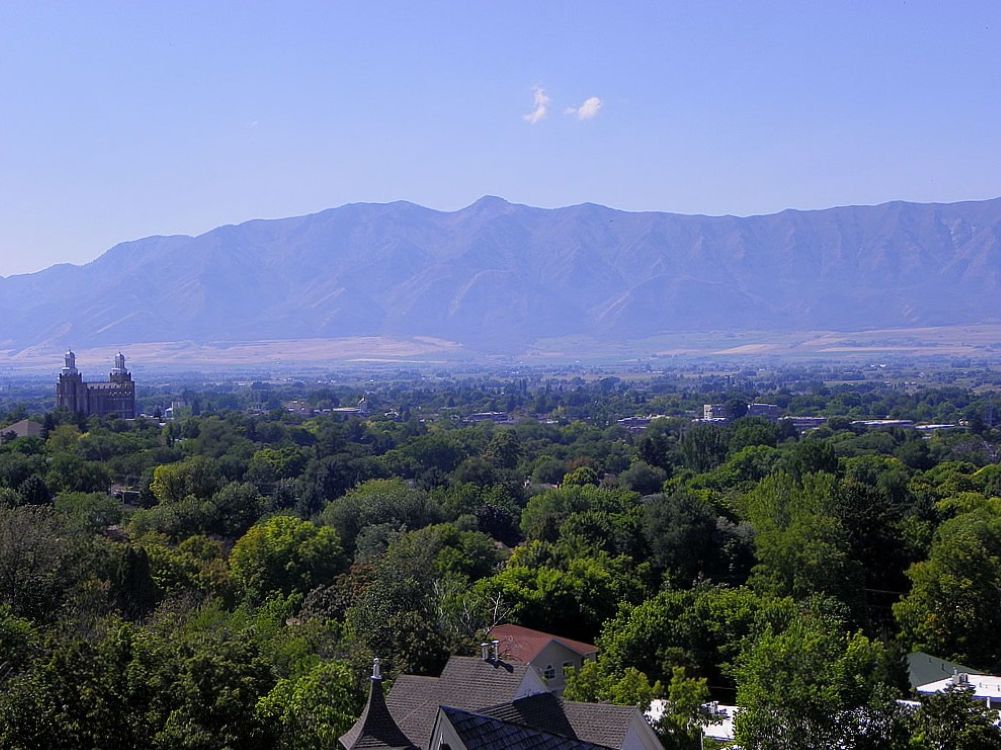
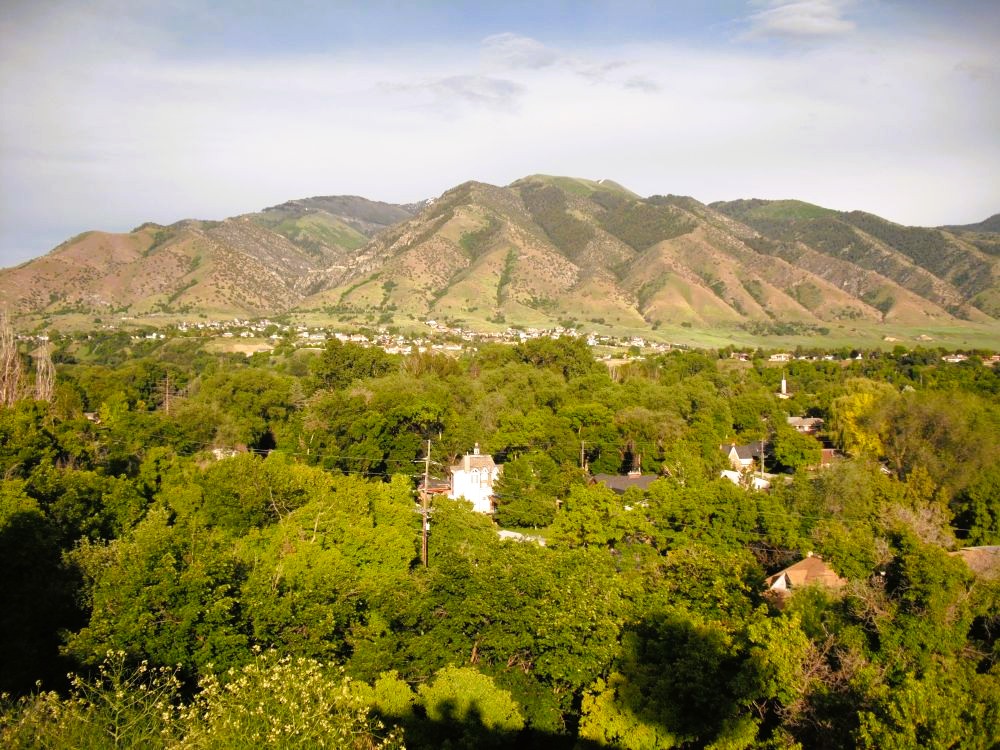
Logan is the largest city in Utah's Cache Valley, a broad agricultural valley in the northern part of the state framed by the Bear River Range. It is the home of Utah State University and the seat of Cache County, with a population of about 54,000. The city is known for its mountain setting, its historic downtown, and its location at the base of Logan Canyon, one of the state's most scenic drives.
People come to Logan for outdoor recreation in the canyon and the nearby Bear Lake, for the performing arts and the university's events, and for the Logan Tabernacle and temple. Cache Valley's dairy heritage is also part of the visit, and the area is known for cheese and ice cream.
History
The Shoshone people used Cache Valley for centuries, and fur trappers gathered here in the 1820s, caching supplies that gave the valley its name. Mormon settlers arrived in 1859, and Logan grew around farming and the construction of the tabernacle (1891) and the Logan Utah Temple (1884). Utah State University was founded in 1888 as a land-grant college, and it has shaped the city's growth since.
Sightseeing and Popular Landmarks
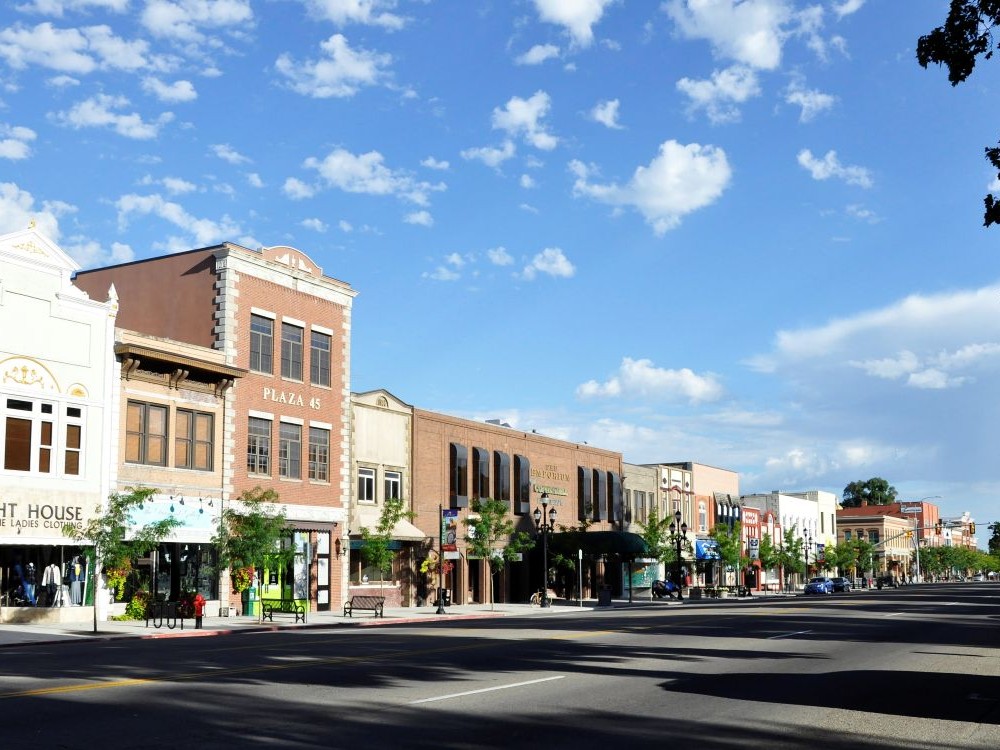
The Logan Tabernacle and the Logan Utah Temple are the city's best-known historic buildings. Downtown Logan's Center Street has restored early 20th-century buildings, and the Utah State University campus has the Old Main building. The Logan Canyon Scenic Byway climbs through limestone cliffs to Bear Lake, and Tony Grove Lake, the Wind Caves, and the Logan River are popular stops.
Culture and Museums
The Caine Performing Arts Center, the historic Ellen Eccles Theatre, and the Utah Festival Opera and Musical Theatre company bring live performances to the city, especially in summer. The Nora Eccles Harrison Museum of Art and the Anderson Seed Museum at Utah State University display regional and international art, and the Cache Valley Cheese Festival and the Cache Valley Cruise-In are popular events.
Parks
Logan River Trail follows the river through the city and into the canyon, and the Merlin Olsen Central Park and Willow Park give residents green space and picnic areas. Just east, the Uinta-Wasatch-Cache National Forest has campgrounds, trails, and fishing, and Bear Lake State Park, about 40 miles away, is known for its turquoise water.
Seasons and Weather
Logan has a humid continental climate at about 4,500 feet. Summers are warm and dry, with highs in the 80s°F, and winters are cold and snowy, with highs near freezing and about 60 inches of snow a year. Fall brings colorful foliage in the canyon, and nearby mountains hold snow well into spring, so Cache Valley is a center for skiing, snowshoeing, and winter sports.
Things to Do
Discover the Heart of Cache Valley
Logan is the largest city in northern Utah's Cache Valley and is known for its scenic mountain surroundings, rich agricultural heritage, vibrant arts community, and access to exceptional outdoor recreation. The city serves as a gateway to Logan Canyon, Bear Lake, and the Wasatch-Cache National Forest.
Explore Historic Downtown Logan
Downtown Logan features historic architecture, locally owned shops, restaurants, galleries, theaters, and public art. Visitors can stroll through the charming city center while enjoying cultural attractions, local dining, and community events throughout the year.
Drive Through Logan Canyon
Logan Canyon Scenic Byway is one of Utah's most beautiful mountain drives. The route follows the Logan River through dramatic limestone cliffs, forests, waterfalls, and alpine landscapes before reaching Bear Lake. The canyon offers numerous opportunities for hiking, fishing, photography, and wildlife viewing.
Enjoy Outdoor Recreation Along the Logan River
The Logan River is a popular destination for fishing, kayaking, tubing, and picnicking. Visitors can also enjoy nearby parks, walking paths, and scenic overlooks while experiencing the natural beauty of Cache Valley.
Visit Bear Lake
Often called the "Caribbean of the Rockies" because of its striking turquoise waters, Bear Lake is located about 40 miles from Logan and is a favorite destination for boating, swimming, paddleboarding, fishing, and beach recreation.
Top Trails
Wind Caves Trail
Length: Approximately 3.6 miles round trip
Elevation Gain: Approximately 1,000 feet
Difficulty: Moderate
One of Logan's most popular hikes, Wind Caves Trail climbs through foothills and limestone formations before reaching natural cave-like openings with spectacular views of Cache Valley below.
River Trail
Length: Approximately 7 miles one way
Elevation Gain: Approximately 500 feet
Difficulty: Easy
This paved multi-use trail follows the Logan River through the city and provides an excellent route for walking, jogging, biking, and enjoying scenic river views.
Tony Grove Nature Trail
Length: Approximately 1 mile loop
Elevation Gain: Approximately 60 feet
Difficulty: Easy
Located in Logan Canyon near Tony Grove Lake, this family-friendly trail features boardwalks, wildflowers, wetlands, and beautiful views of the surrounding mountains and alpine scenery.
Crimson Trail
Length: Approximately 2.5 miles round trip
Elevation Gain: Approximately 1,000 feet
Difficulty: Moderate
This scenic trail climbs above Logan Canyon and rewards hikers with panoramic views of limestone cliffs, the Logan River, and surrounding mountain landscapes. The route is especially popular during the fall color season.
This article uses material from Wikipedia as well as information from official tourism and institutional sources. Key references include Explore Logan, Logan City, Utah State University, Uinta-Wasatch-Cache National Forest, Utah State Parks, and National Weather Service Salt Lake City. Wikipedia material is from the article "Logan, Utah", released under the Creative Commons Attribution-Share-Alike License 3.0.
Featured Locations
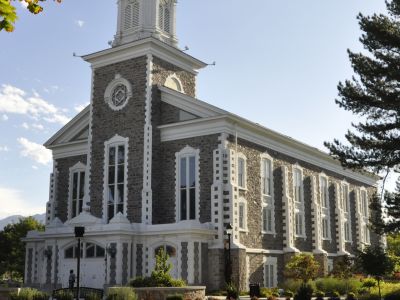
Logan Tabernacle
Historic religious meetinghouse featuring a grand pipe organ, wraparound balcony, and summer concerts in a restored 19th-century interior.
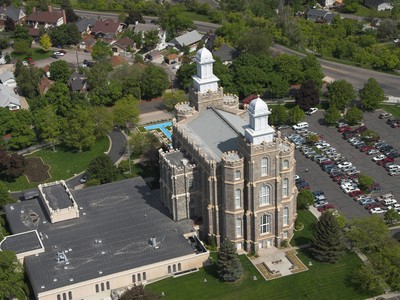
Logan Utah Temple
Five-story religious structure built of limestone and sandstone, featuring ornate towers, landscaped grounds, and sacred ordinance rooms.