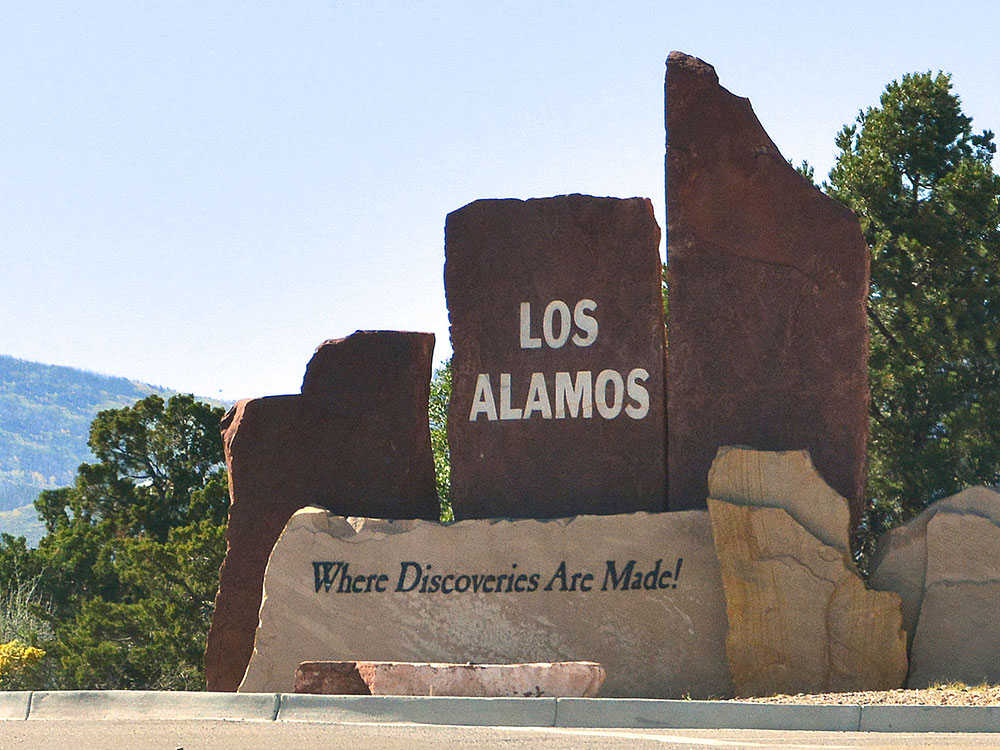

Town in New Mexico, recognized for the development and creation of the atomic bomb—the primary objective of the Manhattan Project by Los Alamos National Laboratory during World War II.
General Information
- Seasons:
- All year; best in spring through fall for outdoor activities and scenic weather
- Location:
- Los Alamos, NM 87544
- Website:
- visitlosalamos.org
How to Get There
From Santa Fe (34 mi): Take US-285 N toward Española, then merge onto NM-502 W and follow it directly into Los Alamos atop the Pajarito Plateau.
Overview
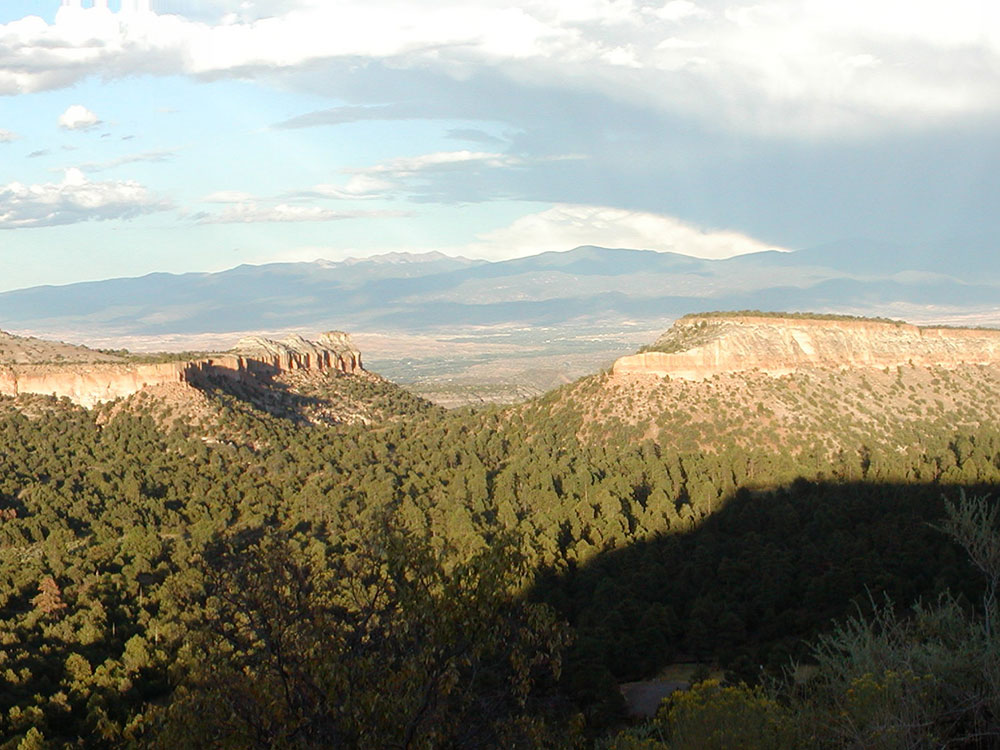
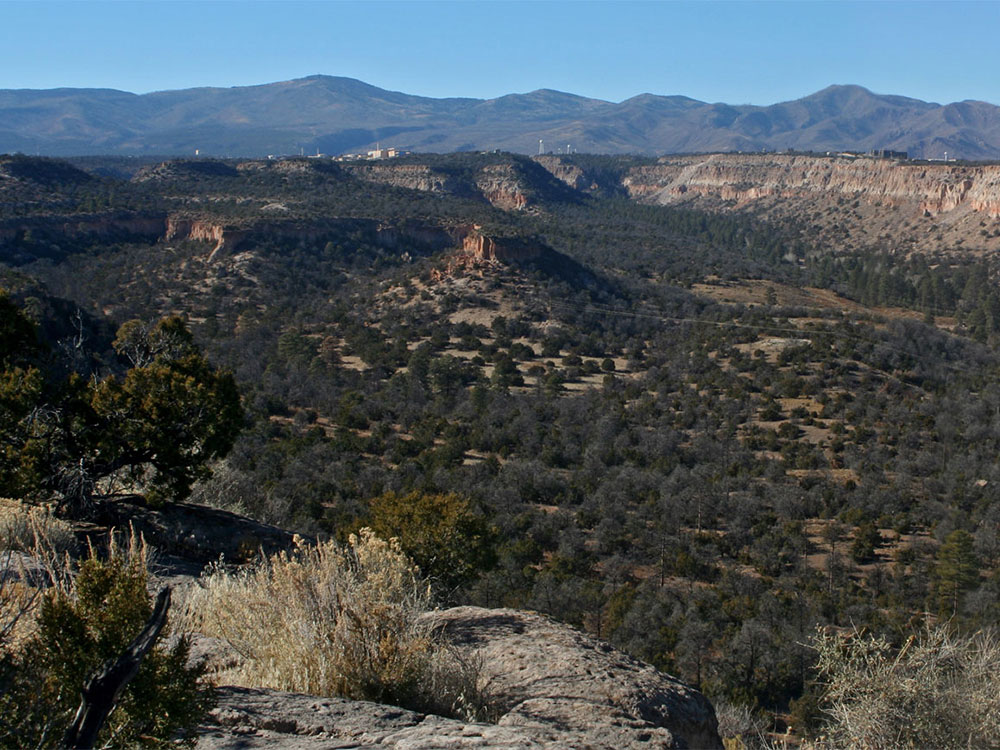
Los Alamos is a small mountain town on the Pajarito Plateau at about 7,300 feet, in the Jemez Mountains of northern New Mexico. It is world-famous as the place where the atomic bomb was designed during the Manhattan Project in World War II, and it remains home to Los Alamos National Laboratory. The town’s scientific heritage, set among pine forests and canyon-cut mesas, gives it a character unlike anywhere else in the state.
Visitors come to explore the sites of the Manhattan Project, to learn about nuclear science and its place in history, and to enjoy the cliff dwellings, forests, and trails of the surrounding Pajarito Plateau. Interest in the town has grown further since the release of the film Oppenheimer, and many travelers combine a visit with day trips to nearby Bandelier National Monument and the Valles Caldera National Preserve.
The plateau was home to Ancestral Puebloan communities for centuries, and the Tewa-speaking people of the nearby pueblos still hold ties to the land. In 1917 the Los Alamos Ranch School opened here to educate boys from wealthy families. In 1943 the federal government took over the site for a secret laboratory directed by J. Robert Oppenheimer, and the scientists who gathered here developed the weapons tested at the Trinity site in July 1945. After the war the laboratory became permanent, and the town opened to the public in 1957.
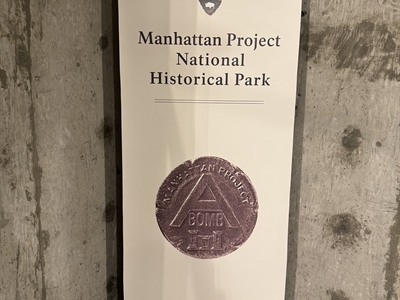
The Manhattan Project National Historical Park preserves key sites of the wartime project, including buildings in the historic district downtown. Fuller Lodge, the 1928 log building from the ranch school era, anchors the town center, and Ashley Pond and the surrounding park lie just beside it. The short drives to the cliff dwellings of Bandelier and the huge volcanic bowl of the Valles Caldera are among the most scenic in the region.
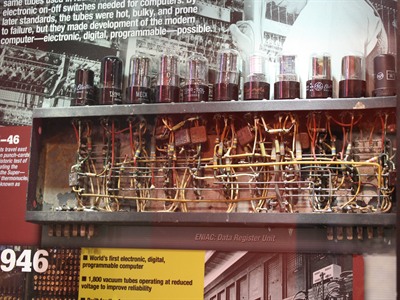
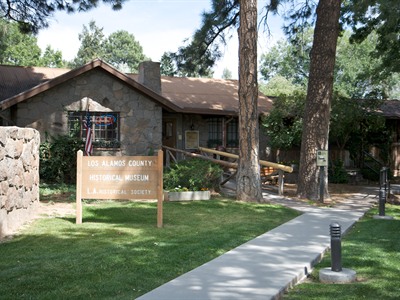
The Bradbury Science Museum, run by the laboratory and free to visit, explores the history of the Manhattan Project and current research in national security and science. The Los Alamos History Museum covers the story of the plateau from its earliest inhabitants through the ranch school and wartime years, and the Los Alamos Nature Center offers exhibits and programs on the area’s wildlife and ecology.
Los Alamos is surrounded by public lands. Trails on the mesas and canyons around town are among the most popular in northern New Mexico, with the Santa Fe National Forest to the west, Bandelier to the south, and the Valles Caldera to the northwest. Pajarito Mountain offers skiing in winter and mountain biking and hiking in summer, and the Los Alamos Nature Center sits on the edge of a forest trail system.
At a high elevation, Los Alamos has cooler weather than much of New Mexico, with four distinct seasons. Summers are pleasant, with highs in the low 80s °F and afternoon thunderstorms in July and August. Autumn brings colorful aspens, winters are cold with regular snow, and spring weather swings between mild days and late storms.
This article uses material from the Wikipedia articles Los Alamos, New Mexico, Manhattan Project, Los Alamos National Laboratory, which are released under the Creative Commons Attribution-Share-Alike License 3.0.
Featured Locations
Jeff P from Berkeley, CA, USA, CC BY 2.0, via Wikimedia Commons; Image Size Adjusted

Bradbury Science Museum
Interactive museum featuring engaging exhibits on nuclear science, wartime history, and cutting-edge research that shaped modern technology and global security.
Daniel Mayer, CC BY-SA 3.0, via Wikimedia Commons; Image Size Adjusted

Los Alamos History Museum
Historic cultural center hosting rotating exhibitions, educational programs, and community events focused on regional history and diverse cultural traditions.
Jeff P from Berkeley, CA, USA, CC BY 2.0, via Wikimedia Commons; Image Size Adjusted
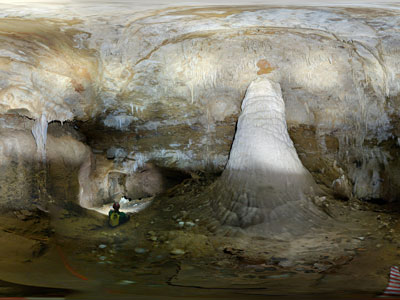
Los Alamos Nature Center
Modern environmental education center offering interactive exhibits, live wildlife displays, and a planetarium that inspire exploration of local ecosystems and the night sky.
Jeff P from Berkeley, CA, USA, CC BY 2.0, via Wikimedia Commons; Image Size Adjusted
Manhattan Project National Historical Park
Historic park spanning multiple states that preserves the secret sites, scientific breakthroughs, and human stories behind the development of the world’s first atomic weapons.