
General Information
- Hours:
-
May 1 to October 31: 7:00am – 9:00pm
March 1 to April 30: 7:00am – 7:00pm
November 1 to February 28: 7:00am – 5:00pm
Visitor Center: 9:00am – 5:00pm daily
Closed on Thanksgiving, Christmas Day, and New Year’s Day - Fees:
-
Private Vehicle: $25 (valid for 7 days)
Per Person (walk/bike): $15
Motorcycle: $20
Children under 16: Free - Pet Policy:
- Pets are not permitted on trails or in archaeological areas
- Closest cities with hotels:
- Farmington, NM (approximately 79 miles)
- Seasons:
- Spring and Fall are ideal for moderate temperatures; open year-round with hot summers and cold winters
- Location:
- 1808 County Road 7950, Nageezi, NM 87037
- Website:
- nps.gov/chcu
How to Get There
From Farmington, NM (79 mi): Take US-550 S for about 50 miles, then turn left onto County Road 7900 near Nageezi and follow it as it becomes CR 7950, continuing along a mix of paved and rough dirt roads for about 21 miles to the park entrance.
Overview
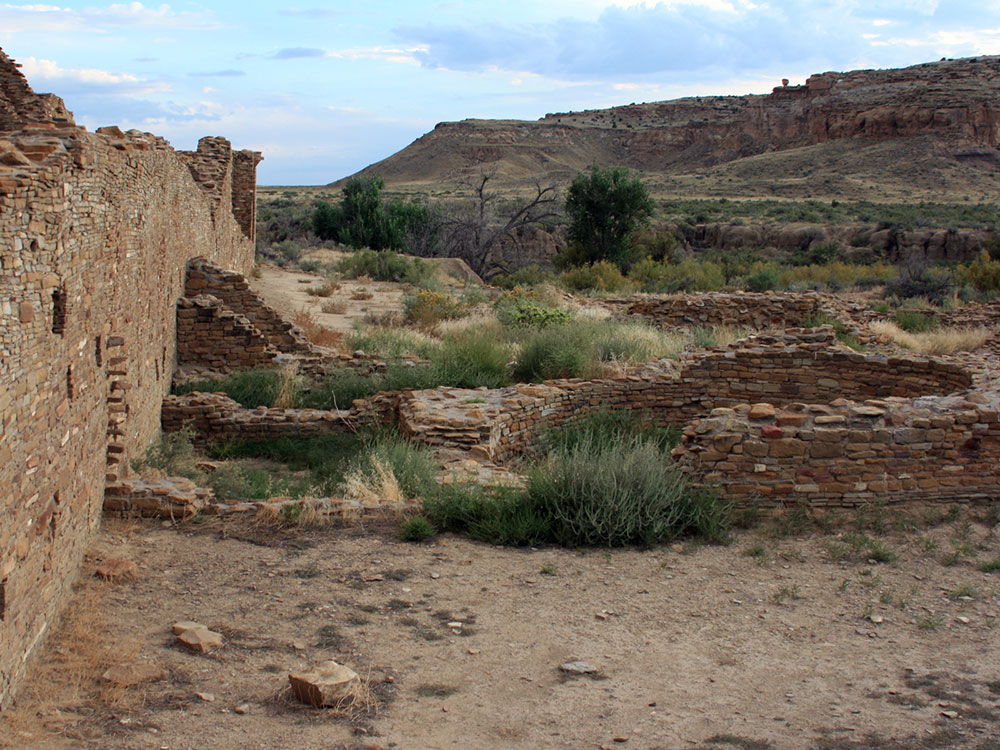
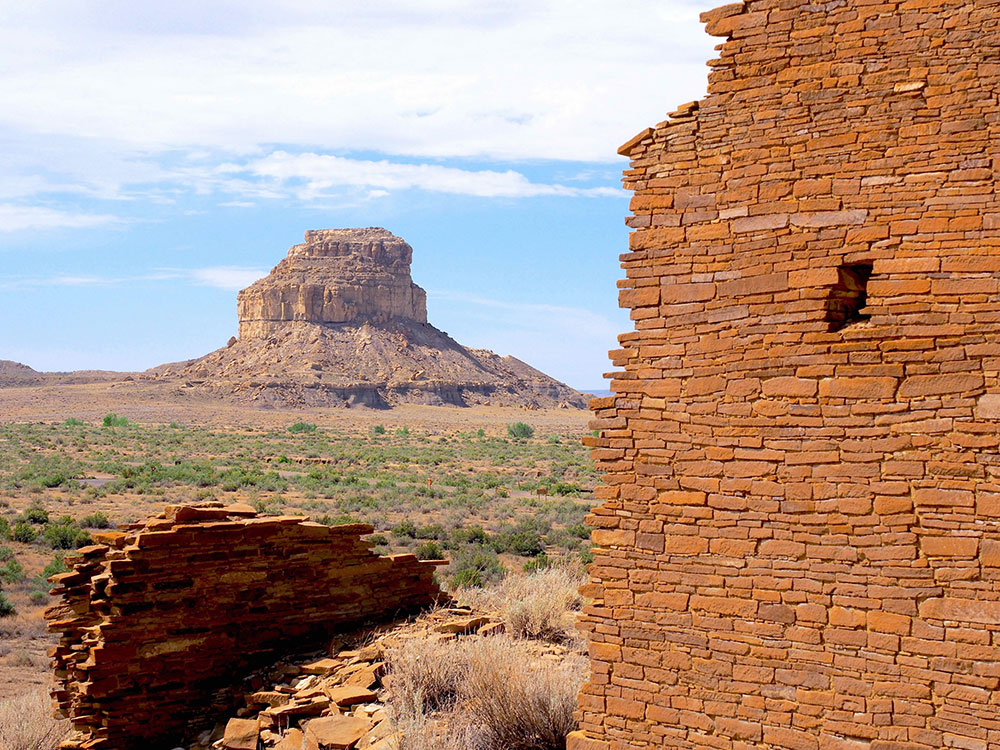
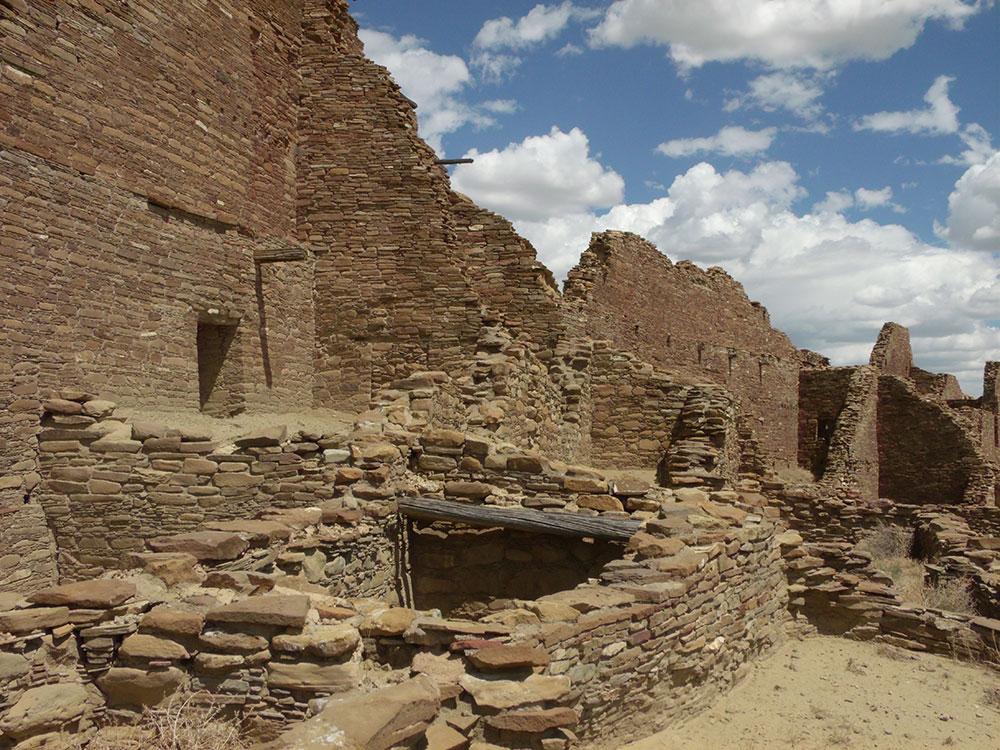
Chaco Culture National Historical Park protects the greatest concentration of monumental Ancestral Puebloan architecture in North America, in a remote canyon of northwestern New Mexico. Between about 850 and 1150 AD, Chaco was the ceremonial, trade and administrative center of a far-reaching Puebloan world, and its multi-story "great houses," great kivas, astronomical alignments and engineered roads were unmatched anywhere in the continent at the time. The site was first protected as Chaco Canyon National Monument in 1907, redesignated a national historical park in 1980, and named a UNESCO World Heritage Site in 1987 for its outstanding archaeological value. It is also an International Dark Sky Park, and the Hopi, Zuni and other Pueblo peoples still consider it a sacred ancestral homeland. Visitors come to walk among the massive sandstone walls of Pueblo Bonito and Chetro Ketl, climb to ridge-top ruins, see petroglyphs and watch one of the darkest night skies in the Southwest.
Access
The park is in San Juan County in the Four Corners region, about 3 hours northwest of Albuquerque and roughly 1.5 to 2 hours from Farmington. Nearly everyone arrives by private vehicle; there is no public transportation and no services such as gas or food in the park. The usual route turns off US-550 near Nageezi onto County Road 7900 and then CR 7950, which includes about 13 miles of rough, unpaved and washboarded road that is passable for most passenger cars in dry weather. A southern approach from NM-57 is rougher still and is best left to high-clearance vehicles. Because of the distance, plan to arrive with a full tank of gas, food and plenty of water.
Seasons
The park is open year-round, and spring and fall bring the most comfortable temperatures for walking the exposed canyon trails. Summer days are hot with little shade, and afternoon monsoon thunderstorms from July through September can quickly turn the access road into impassable mud. Winters are cold and can bring snow and ice, which sometimes make the road difficult, so check current conditions before you go. Clear, dry nights make summer and fall especially popular for stargazing and the park's astronomy programs. Trails and ruins can occasionally close for preservation or weather, and Fajada Butte is closed to the public.
Things to Do
Explore the Heart of the Chacoan World
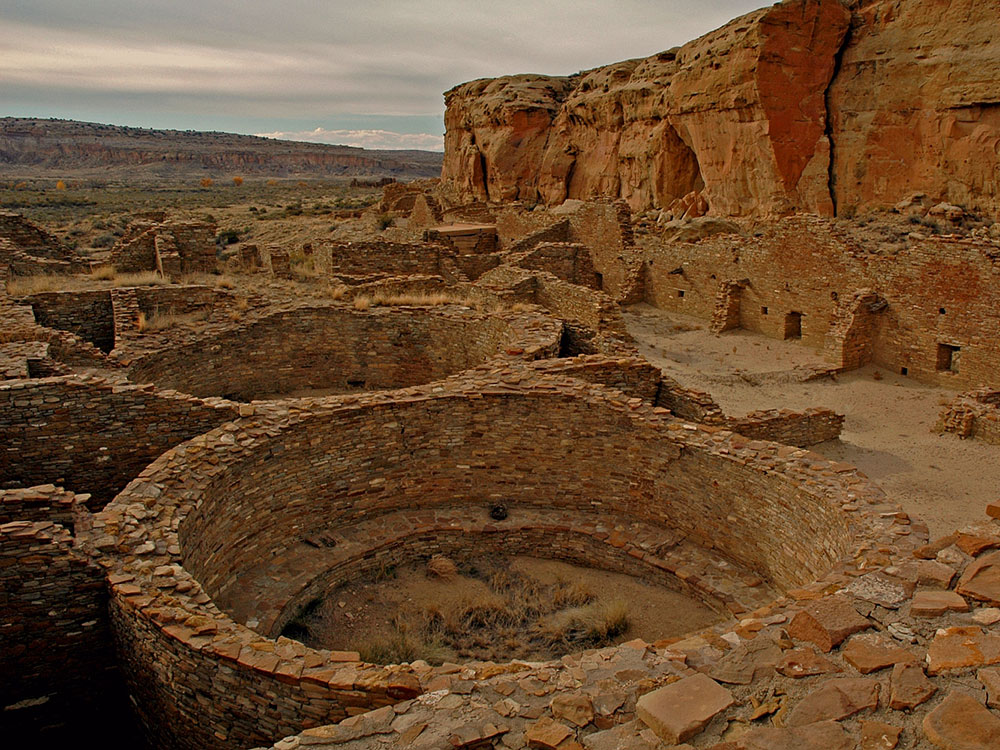
Chaco Culture National Historical Park is a vast outdoor museum of Ancestral Puebloan architecture, with more than a dozen major great houses clustered along a 9-mile stretch of canyon. Visitors can drive the one-way Canyon Loop Road, stop at the main sites and walk through rooms, plazas and kivas that are close to a thousand years old.
Walk Through Pueblo Bonito
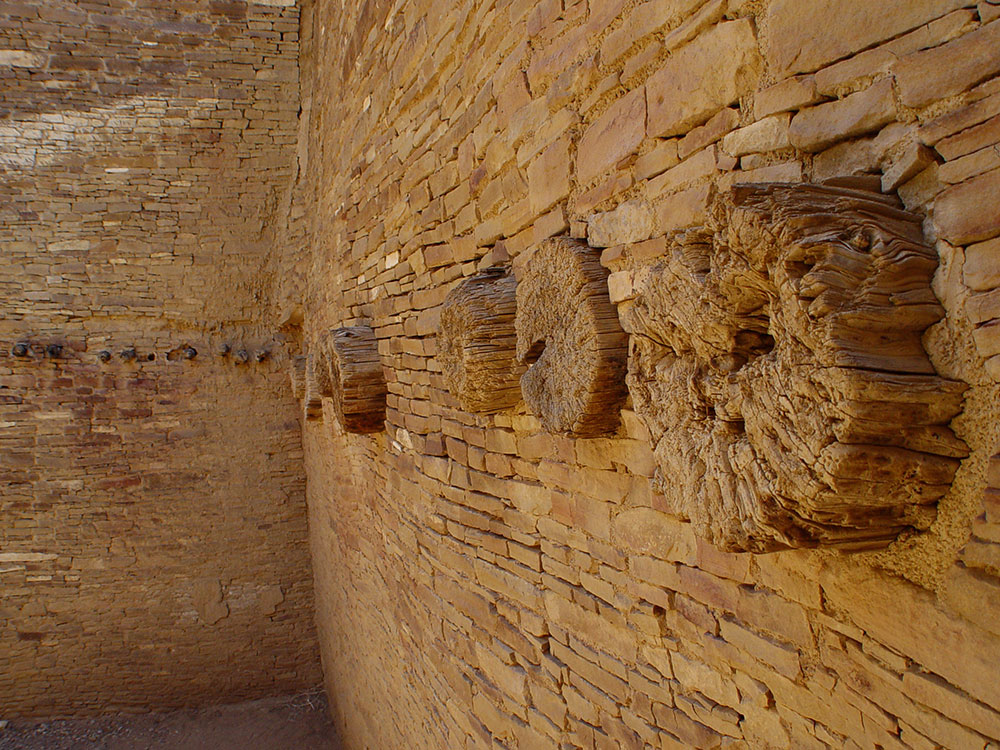
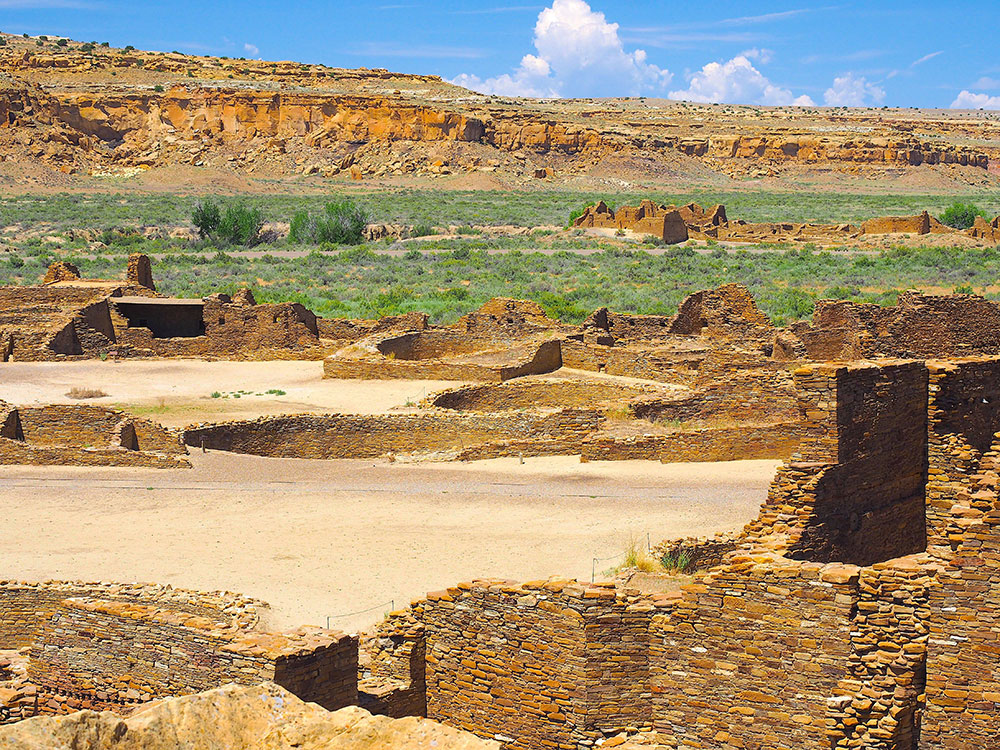
Pueblo Bonito is the largest and best-known great house in the park, with hundreds of rooms, multiple stories and many kivas arranged around a central plaza. A short trail leads into the ruins and beneath the towering masonry walls, giving visitors a sense of the scale and precision of Chacoan construction.
Visit Casa Rinconada and Other Great Houses
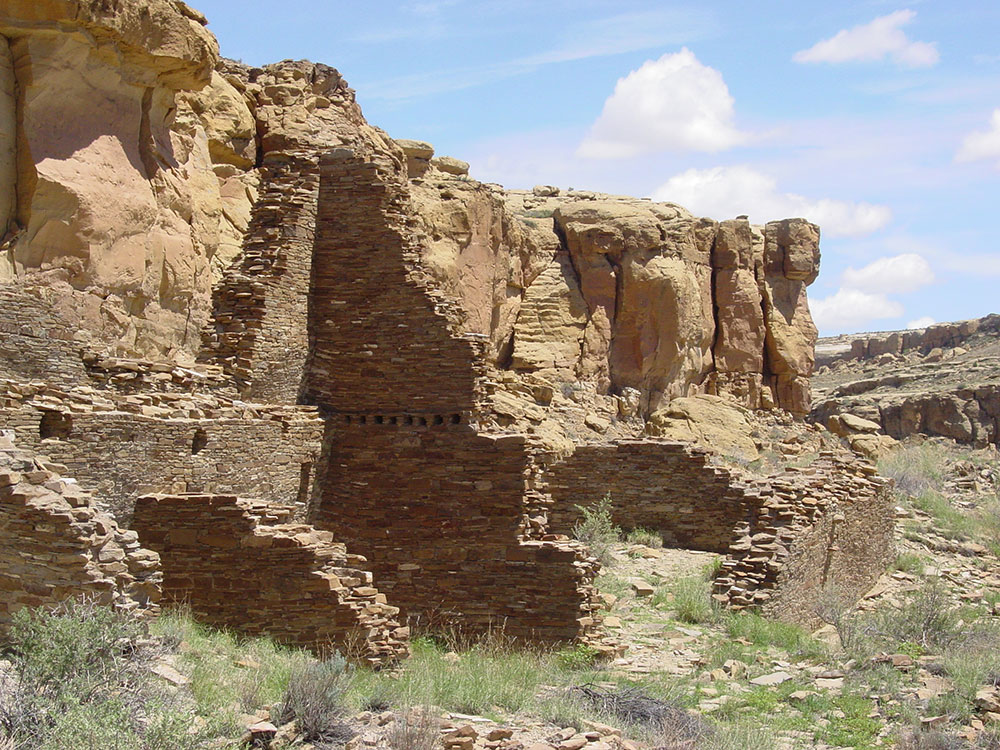
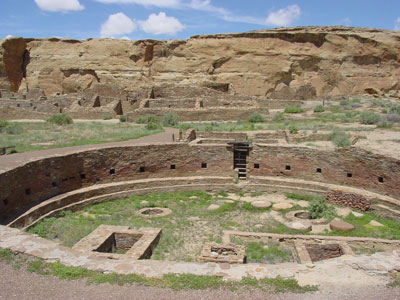
Casa Rinconada is one of the largest great kivas in the Chaco region and sits apart from the main complexes. Other stops along the loop road include Chetro Ketl, Pueblo del Arroyo, Hungo Pavi and Kin Kletso, each with its own architecture and story.
See Petroglyphs Along the Cliff Walls
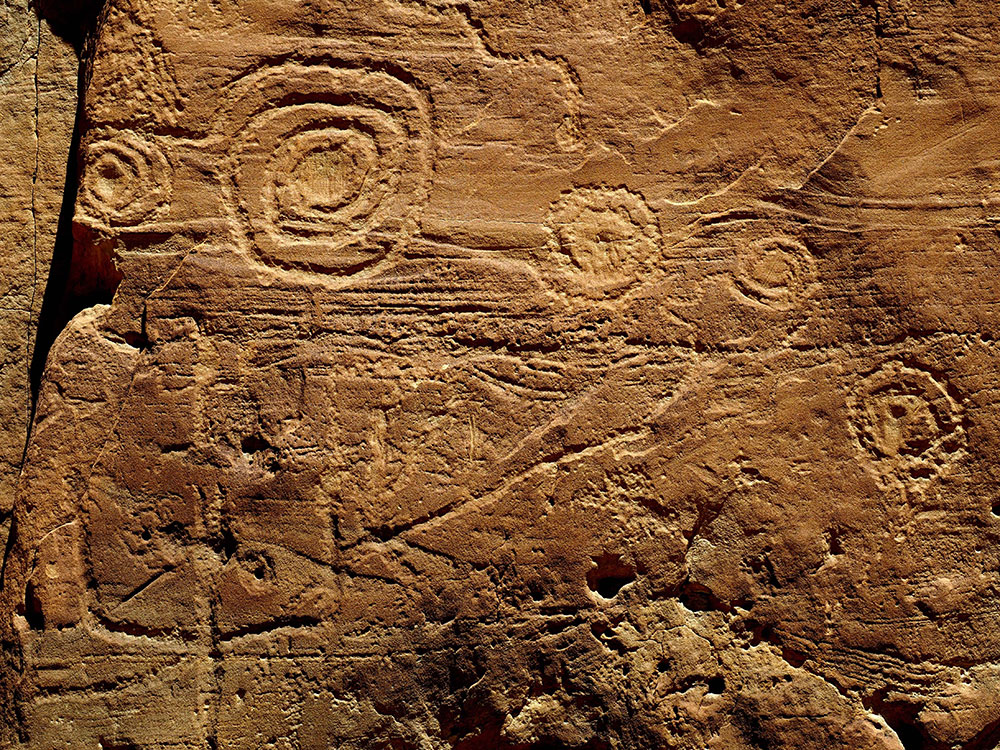
Petroglyphs are pecked into the canyon walls near the Pueblo Bonito and Chetro Ketl trails. The carvings offer a glimpse into the art and spiritual traditions of the Ancestral Puebloan people who lived here.
Stargaze in an International Dark Sky Park
Chaco's remote location and high desert air create some of the clearest night skies in the Southwest. The park hosts astronomy programs, and the canyon was a place where the Chacoans tracked the sun and moon, so evenings here connect the ancient sky-watching traditions with a modern night sky.
Top Trails
Pueblo Bonito Trail
Length: Approximately 0.6 miles round trip
Elevation Gain: Minimal
Difficulty: Easy
This short, mostly level walk leads into the largest great house in the canyon. It is the best introduction to the park's architecture and can be combined with the nearby Chetro Ketl and Petroglyph trails.
Pueblo Alto Trail
Length: Approximately 5.4 miles loop
Elevation Gain: Moderate
Difficulty: Moderate
This loop climbs through a cleft in the cliff to the north mesa top and passes the Pueblo Alto and Jackson Stairs ruins. The reward is sweeping views over the canyon and the great houses below, plus remnants of ancient Chacoan roads.
Peñasco Blanco Trail
Length: Approximately 6.4 miles round trip
Elevation Gain: Minimal to moderate
Difficulty: Moderate
This route follows the north side of Chaco Wash to the ruins of Peñasco Blanco and passes a panel of petroglyphs thought to record a supernova. It is a good choice for visitors who want a longer walk with more solitude.
Visitor Centers
The Chaco Culture National Historical Park Visitor Center sits near the start of the Canyon Loop Road and is the best first stop. It has a museum with exhibits and artifacts about Chacoan culture, a park film, a bookstore, restrooms and rangers who can provide maps and current road and trail conditions. The center keeps shorter hours than the park, so check the National Park Service website for current times and tour schedules. Ranger-led walks, evening programs and astronomy events are offered seasonally.
Camping and Lodging
There is no lodging in the park, but the Gallo Campground offers tent and RV camping in a setting beneath the canyon walls, with picnic tables, grills and restrooms. Sites are reservable through Recreation.gov, and there are no hookups, no showers and no other services in the park, so bring your own water and supplies. Hotels and restaurants are most plentiful in Farmington, about 1.5 to 2 hours away, with additional options in Bloomfield, Aztec and Cuba. Albuquerque and Santa Fe have the widest range of lodging but are about 3 hours away, so most travelers plan to camp or stay in Farmington. Check each property's website for current availability.
This article uses material from the Wikipedia article and official pages for Chaco Culture National Historical Park, Western National Parks Association, Tourist Checklist, AllTrails Guide, We're in the Rockies, released under the Creative Commons Attribution-Share-Alike License 3.0. Additional information from the National Park Service.