East Maui Travel Guide
Lush and remote region defined by rainforest-covered cliffs, cascading waterfalls, winding coastal roads, and deep-rooted Hawaiian traditions.
Places to See in East Maui
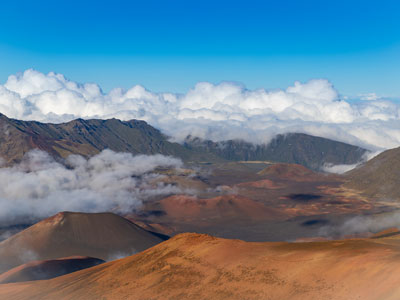
Haleakalā National Park
Protected natural area encompassing a massive volcanic crater, subalpine shrublands, native rainforests, and endangered species habitats.
Travisthurston, CC BY-SA 3.0, via Wikimedia Commons; Image Size Adjusted
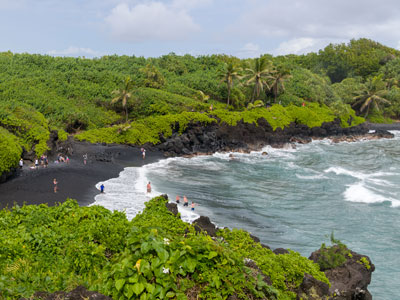
Hana
Remote coastal village surrounded by tropical rainforest, waterfalls, and black sand beaches, accessible by a winding scenic highway.
Kenny Louie from Vancouver, Canada, CC BY 2.0, via Wikimedia Commons; Image Size Adjusted
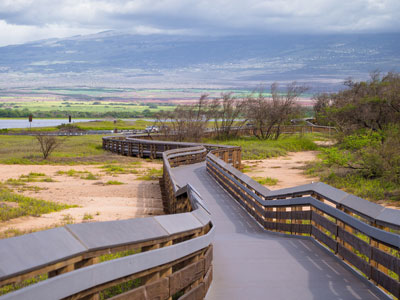
Kealia Pond National Wildlife Refuge
Protected coastal wetland and bird sanctuary offering boardwalk trails, educational exhibits, and seasonal views of endangered Hawaiian waterbirds and migratory species.
Michelle from Antelope, California, CC BY 2.0, via Wikimedia Commons; Image Size Adjusted
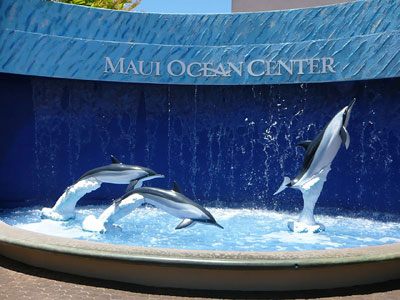
Maui Ocean Center
Aquarium and marine park showcasing Hawaii’s native ocean life through immersive exhibits, a walk-through tunnel, and a 3D humpback whale experience.
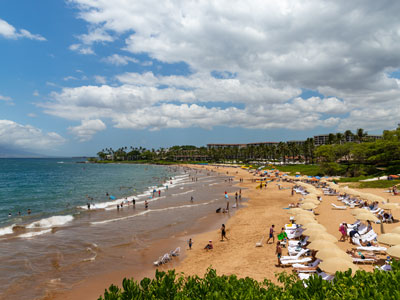


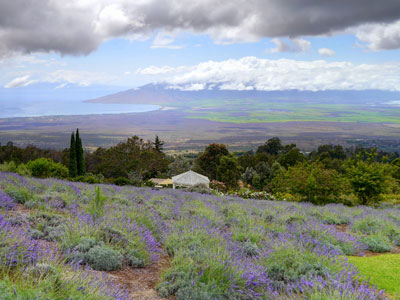
John Morgan from Walnut Creek, CA, USA, CC BY 2.0, via Wikimedia Commons; Image Size Adjusted

Upcountry
Elevated rural region characterized by rolling hills, volcanic slopes, paniolo ranches, and a blend of agricultural and artistic communities.
Overview
The East Maui region is a breathtaking tapestry of natural beauty and cultural heritage, where the legendary Hāna Highway winds through dense rainforests, past waterfalls, and along dramatic sea cliffs. This 52-mile journey from Kahului to Hāna is one of the most scenic drives in the world, with over 600 curves and dozens of one-lane bridges. Along the way, travelers encounter roadside fruit stands, hidden beaches, and botanical gardens that showcase the island’s rich biodiversity. The town of Hāna itself is a peaceful enclave where time slows down, and the aloha spirit is deeply felt in every interaction. Just beyond Hāna lies the Kīpahulu District of Haleakalā National Park, home to the famous Pools of ʻOheʻo and the bamboo-lined Pīpīwai Trail.
East Maui is more than a scenic destination—it’s a place where Hawaiian culture and nature are intimately intertwined. The region is dotted with sacred sites, taro farms, and ancient trails that speak to centuries of sustainable living and spiritual connection to the land. Visitors can explore the cultural legacy of the area at places like Kahanu Garden, which houses the massive Hale Piʻilani heiau, one of the largest ancient temples in Hawaiʻi. Whether you're hiking through misty valleys, swimming beneath waterfalls, or simply listening to the sounds of the rainforest, East Maui offers a deeply immersive experience that honors the island’s past while inspiring awe in the present.
This article uses material from the Wikipedia articles and official tourism pages for the East Maui, which are released under the Creative Commons Attribution-Share-Alike License 3.0.