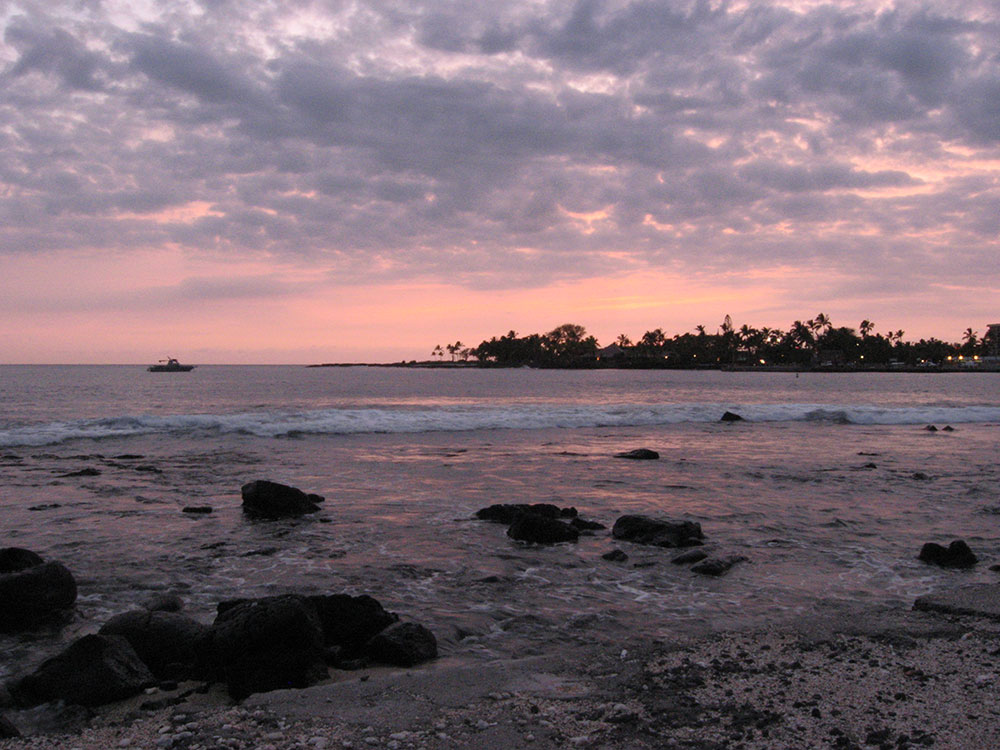
Seaside town known for its historic landmarks, oceanfront shopping and dining, sunny weather, and world-famous coffee farms.
General Information
- Seasons:
- Best visited from May to August for sunny weather, low rainfall, and affordable hotel rates
- Location:
- Kailua-Kona, HI
- Website:
- gohawaii.com/kona
How to Get There
From Hilo (78 mi): Take HI-19 north along the Hamakua Coast, continue through Waimea, then follow HI-190 south to reach Kailua-Kona.
Overview
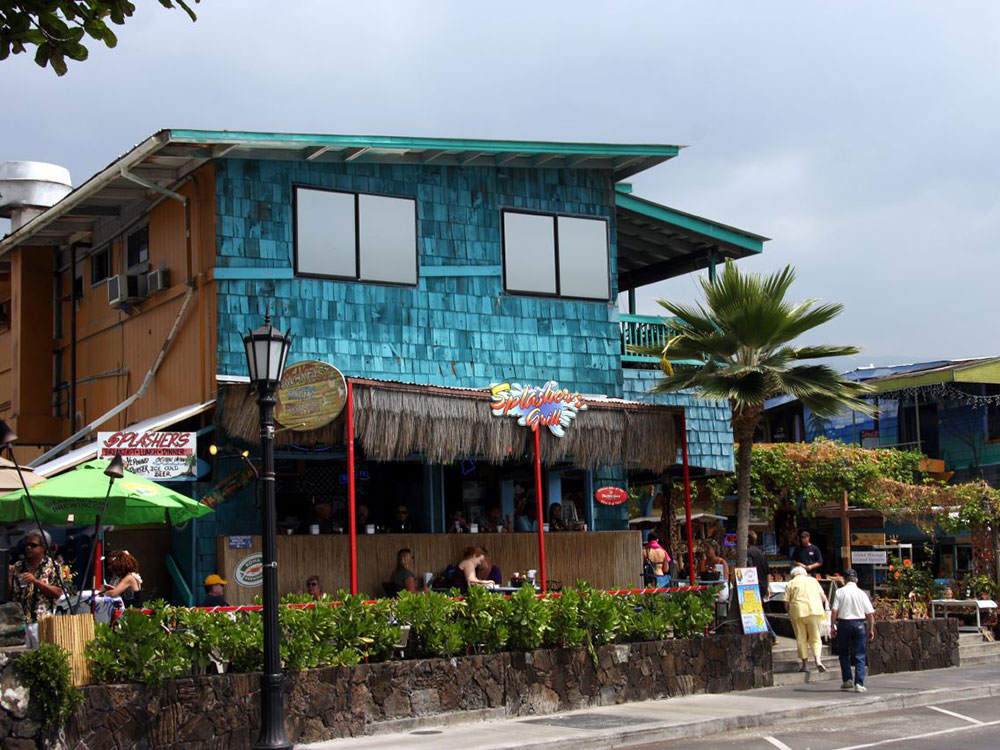
Kailua-Kona is the main town on the Big Island's sunny leeward coast, with about 23,000 residents, set along Kailua Bay on the lower slopes of Hualalai. It is the center of tourism for West Hawaii, with a waterfront strip of shops, restaurants and hotels on Alii Drive, and the "Kona" in its name distinguishes it from Kailua on Oahu.
Visitors come for dependable sunshine, snorkeling and diving, deep-sea sport fishing for marlin, and Kona coffee. The town is also known for hosting the IRONMAN World Championship each October, which began in Oahu and moved to Kailua-Kona in 1981, and for a lively harbor with manta ray night snorkeling.
History
Kamehameha I made Kailua his home in his later years, and after his death in 1819 the first Christian missionaries arrived in 1820 and built Mokuaikaua Church, the oldest Christian church in Hawaii, on the site. The royal retreat that became Hulihee Palace was built in 1838. The town remained a small fishing village until tourism and the airport built nearby in the 1970s brought rapid growth.
Sightseeing and Popular Landmarks
Alii Drive passes Hulihee Palace, Mokuaikaua Church, the Kailua Pier and Kamakahonu, Kamehameha I's restored home and heiau. South of town, Kahaluu Bay is a protected snorkeling beach, and Kealakekua Bay and Puuhonua o Honaunau National Historical Park are popular day trips.
Culture and Museums
Hulihee Palace, a summer home of Hawaiian royalty that is now a museum, displays furniture and artifacts from the 19th century. The Kona Coffee Living History Farm shows the lives of Japanese immigrant coffee farmers in the early 20th century, and the Amy B. H. Greenwell Ethnobotanical Garden preserves native plants. Local festivals include the Kona Coffee Cultural Festival each November.
Parks
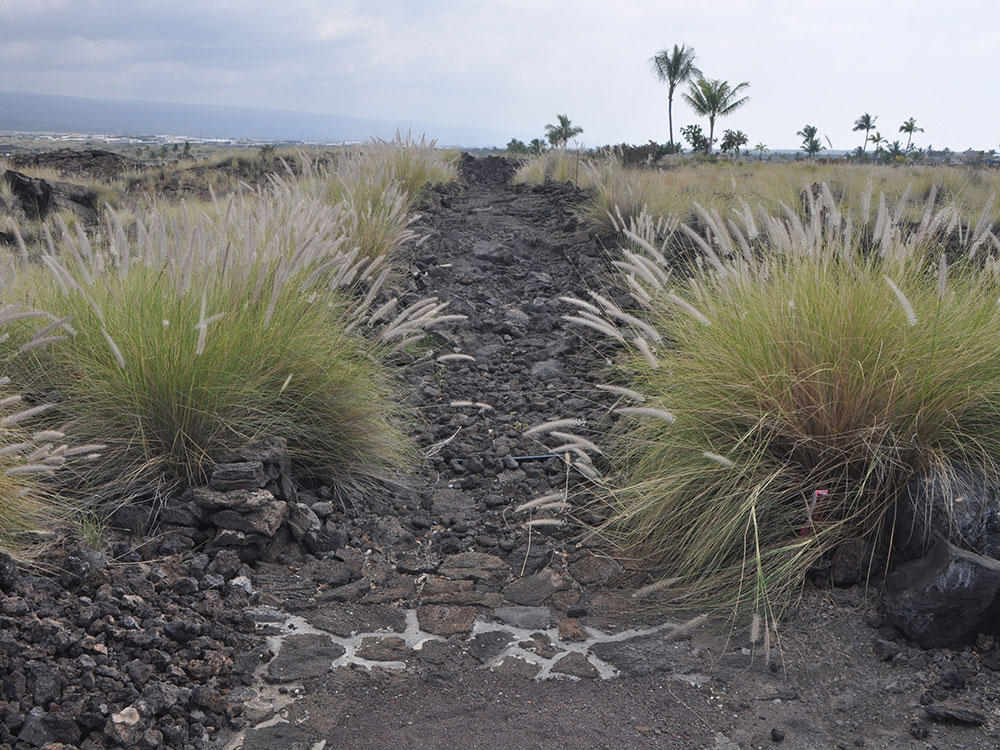
Parks near Kailua-Kona include Kamakahonu, Old Kona Airport State Recreation Area, and Kekaha Kai State Park to the north, which has beaches reached by lava roads. Kahaluu Beach Park, Magic Sands Beach and White Sands Beach Park south of town are popular for swimming and bodysurfing, though surf can be strong in winter.
Seasons and Weather
Kailua-Kona has a warm, dry climate with highs in the mid-80s°F year-round and only about 20 inches of rain a year, mostly in the afternoons on the upper slopes. Winters are slightly cooler, and the Kona coast is sheltered from the trade winds. Vog, a volcanic haze from Kilauea, can occasionally affect air quality.
Events
- Ironman World Championship triathlon (start and finish)
- Kona Coffee Festival
- Hawaiian International Billfish Tournament
Aliʻi Drive
Aliʻi Drive, the oceanfront downtown street starting at Kailua-Kona Pier, is a Hawaii Scenic Byway called “Royal Footsteps Along the Kona Coast,” lined with centuries-old archaeological sites.
- Kamakahonu and Ahuʻena Heiau: Kamehameha I’s royal residence and temple north of the pier, near King Kamehameha’s Kona Beach Hotel.
- Huliheʻe Palace: a royal residence used by the family until 1914.
- Churches: Mokuaikaua Church (the first Christian church in Hawaiʻi, 1820), Saint Michael the Archangel Catholic Church and Living Stones Church.
- Beaches: Lāʻaloa Bay (Magic Sands) and Kahaluʻu Bay, a popular snorkeling spot.
- Historic Kona Inn and shops along the street.
Coffee and Boat Tours
- Kona coffee is grown on the slopes of Hualālai and Mauna Loa. The Kona Historical Society runs the Kona Coffee Living History Farm and the H.N. Greenwell Store Museum just south of town.
- Boat tours to swim with dolphins, watch whales and fish usually depart from Honokōhau Harbor.
This article uses material from Wikipedia as well as information from official tourism and institutional sources. Key references include Hawaii Tourism Authority, Puuhonua o Honaunau National Historical Park, IRONMAN, Hawaii Department of Land and Natural Resources, and National Weather Service Honolulu. Wikipedia material is from the article "Kailua-Kona, Hawaii", released under the Creative Commons Attribution-Share-Alike License 3.0.