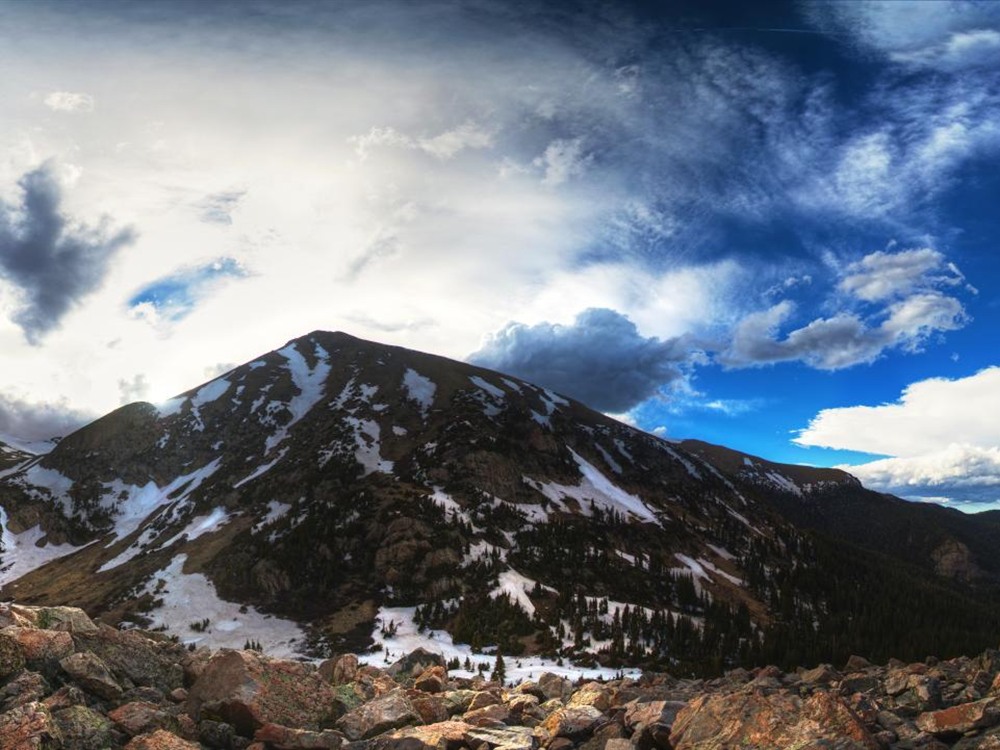
Remote alpine trail leading through forested valleys and rugged terrain to a high-elevation lake nestled beneath steep mountain slopes.
General Information
- Length:
- 8 miles roundtrip
- Elevation Gain:
- 2,000 feet
- Difficulty:
- Strenuous
- Hours:
- Open year-round; best access in summer and early fall due to snow conditions
Road access may be limited in winter - Fees:
- $25 per vehicle (Great Sand Dunes National Park pass, valid for 7 days)
- Pet Policy:
- Pets are not allowed on most backcountry trails within the national park
- Seasons:
- Late spring through fall; best in summer when trail conditions are clear
- Closest cities with hotels:
- Alamosa (35 mi)
- Location:
- Medano Lake Trail, Great Sand Dunes National Park, CO
- Website:
- nps.gov/grsa/index.htm
How to Get There
From Alamosa (35 mi): Take US-160 E to CO-150 N to the park entrance, then continue on Medano Pass Primitive Road to the trailhead area where the hike begins.
Overview
The Medano Lake Trail offers a striking transition from the dunes to alpine wilderness in Great Sand Dunes National Preserve, the mountainous part of Great Sand Dunes National Park. Beginning at about 10,000 feet, the trail climbs through lush meadows and forests to a small alpine lake at timberline, beneath the slopes of Mount Herard. Hikers come for the wildflowers, the solitude, and the chance to see the park from a completely different perspective; advanced hikers can continue to the summit of 13,297-foot Mount Herard for views over the dunefield. No permit is required for a day hike.
Getting to the Trailhead
Great Sand Dunes is in the San Luis Valley; from Alamosa, take US-160 east and CO-150 north to the park entrance, about 35 miles. The roads are paved and accessible to all vehicles, the park is open 24 hours, and an entrance fee is required. The Medano Lake Trailhead is accessed from the Medano Pass Primitive Road, which begins near the Piñon Flats Campground. A high-clearance, four-wheel-drive vehicle is required, since the road crosses deep sand and Medano Creek several times, and tire pressure may need to be lowered for the sandy sections. The road is typically closed in winter and can be impassable after storms, so check road conditions with the park before driving it. The trailhead has a small parking area.
Trail Description
From the trailhead, the trail climbs through forests of aspen, spruce, and fir, crossing meadows and streams along the way. The trail steadily gains elevation, passing old mining remnants and views of the surrounding peaks, before reaching Medano Lake at timberline, about 4 miles from the trailhead. Hikers return the same way, for a total of about 8 miles round trip. Advanced hikers can continue off-trail above the lake to the summit of Mount Herard. The National Park Service notes that trails to alpine lakes may have significant tree downfall across them, so be prepared to climb over or around fallen trees.
Trail Conditions and Difficulty
The hike is strenuous, with about 2,000 feet of elevation gain at high altitude, and it requires good fitness and acclimatization. No scrambling is required on the trail, but the climb to Mount Herard involves off-trail travel over steep, rocky terrain. Afternoon thunderstorms are common in summer, so start early and be off exposed areas by early afternoon. Snow can linger on the trail into early summer, and the access road is typically closed in winter.
This article uses material from the Wikipedia articles and official tourism pages for the Great Sand Dunes National Park, which are released under the Creative Commons Attribution-Share-Alike License 3.0. Additional trail information is from the National Park Service page "Hiking - Great Sand Dunes National Park & Preserve".