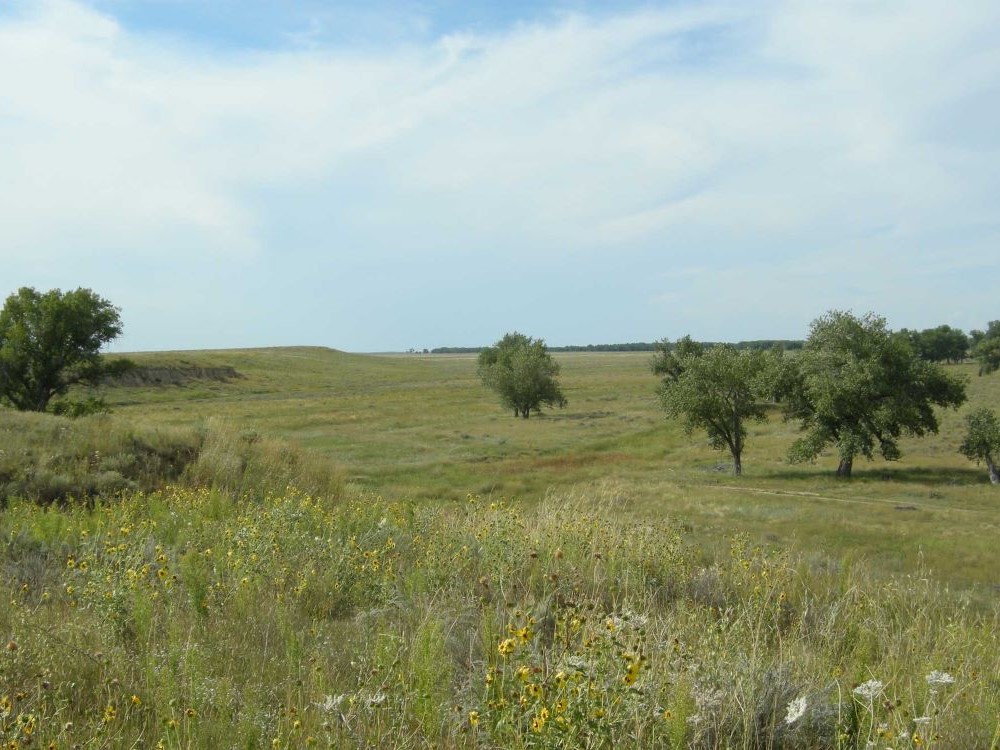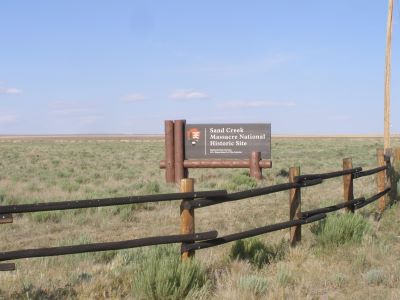

Site preserving the location of a tragic 1864 attack on Cheyenne and Arapaho people, offering interpretive trails and memorials across a solemn prairie landscape.
General Information
- Hours:
-
April to November: Daily, 9am to 4pm
December to March: By appointment only - Fees:
- Free admission for all visitors
- Pet Policy:
- Pets are allowed
- Closest cities with hotels:
- Eads (23 mi)
- Seasons:
- Best visited April through November; winter visits require appointment
- Location:
- 55411 County Road W, Eads, CO 81036
- Website:
- nps.gov
How to Get There
From Pueblo (115 mi): Take US-50 E to Las Animas, then CO-101 N to CO-96 E through Eads; follow signs north on County Road 54 to County Road W and turn east to reach the site.
Overview
Sand Creek Massacre National Historic Site preserves the place on the eastern Colorado plains where, on November 29, 1864, U.S. Army volunteers attacked a peaceful encampment of Cheyenne and Arapaho people led by Chief Black Kettle, killing more than 200, mostly women, children and elders. The village had been camped under the assurance of safety from the government, and the event became one of the darkest episodes in the history of the American West. Congress established the site in 2000 in partnership with the Cheyenne and Arapaho Tribes. Visitors come to learn the story, to pay respects at the site and to reflect on its meaning today.
Access
The site lies in Kiowa County, about 23 miles north of Eads, in a remote part of southeastern Colorado. Most visitors drive from Eads on CO-96 and then county roads, some of them gravel, to the site's overlook and trails. The drive from Pueblo takes about 2 hours, and from Denver about 3.5 hours. Services are almost nonexistent, so bring water, fuel and supplies, and check conditions on the National Park Service website before going.
Seasons
The site is typically open from April through November and by appointment in winter, so seasonal timing matters. Summers are hot, dry and windy with little shade, while spring and fall offer more comfortable conditions. Winter is cold and can bring snow, which makes the roads difficult and limits access. In late November, a memorial gathering and spiritual run commemorates the anniversary of the massacre, and events are organized in cooperation with tribal communities.
Things to Do
Learn the History of the Sand Creek Massacre
Sand Creek Massacre National Historic Site tells the story of the village, the attack and its legacy through interpretive signs and ranger programs. The site honors the victims and survivors.
Visit the Overlook and Memorial Areas
An overlook offers a wide view of the creek valley where the village stood. The setting is quiet and powerful, and visitors are asked to be respectful.
Walk the Interpretive Trails
Trails lead through the open plains to key parts of the site. Signs explain what happened and the perspectives of the Cheyenne and Arapaho.
Connect With Tribal Voices
The site is managed in partnership with the Cheyenne and Arapaho Tribes, and programs often include tribal perspectives. Visitors should listen respectfully.
Explore Eastern Colorado's Plains
The surrounding landscape offers wide skies and prairie wildlife, and nearby Eads and Lamar have small museums. A day trip can include other historic sites.
Top Trails
Sand Creek Overlook Trail
Length: Approximately 1.5 miles round trip
Elevation Gain: Minimal to Moderate
Difficulty: Easy
This trail leads to an overlook of the creek and the site of the village, with signs about the events of the massacre. The route is exposed and mostly flat.
Sand Creek Massacre Site Trail
Length: Approximately 1 mile round trip
Elevation Gain: Minimal
Difficulty: Easy
This path crosses the open plains toward the area of the village, with interpretive stops along the way. It is best walked quietly and with respect.
Visitor Centers
The National Park Service operates a visitor contact station in Eads that provides exhibits, maps and ranger information, and the site itself has a few interpretive signs and a trailhead but no staffed facilities. Hours are most reliable from April through November, and visits during winter are by appointment, so contact the park or check the National Park Service website before you go.
Camping and Lodging
There is no camping or lodging at the site. The closest accommodations are in Eads, about 30 minutes away, which has a few small motels and the county's basic services. Lamar, about an hour and a half south, has more chain motels and restaurants, and La Junta and Pueblo provide larger selections about 2 hours away. Camping is available at John Martin Reservoir State Park near Hasty, and at Lake Pueblo State Park. Because lodging is limited in this remote area, book ahead, and check each property's website for current availability.
This article uses material from the Wikipedia article and official pages for Sand Creek Massacre National Historic Site, National Park Service: Sand Creek Massacre National Historic Site, released under the Creative Commons Attribution-Share-Alike License 3.0.