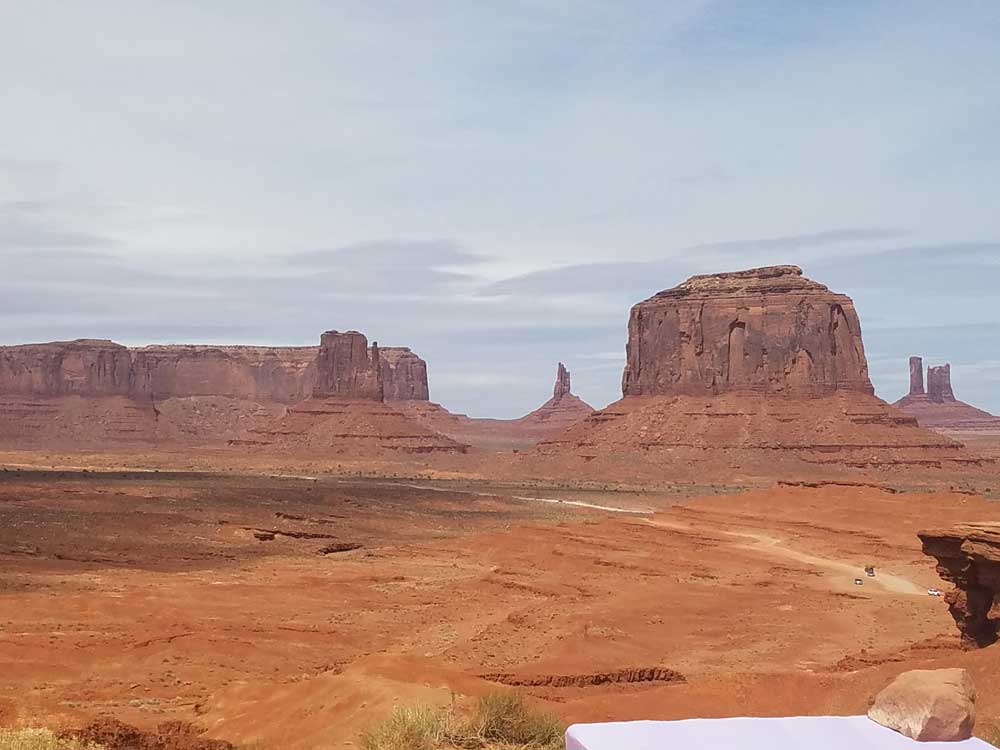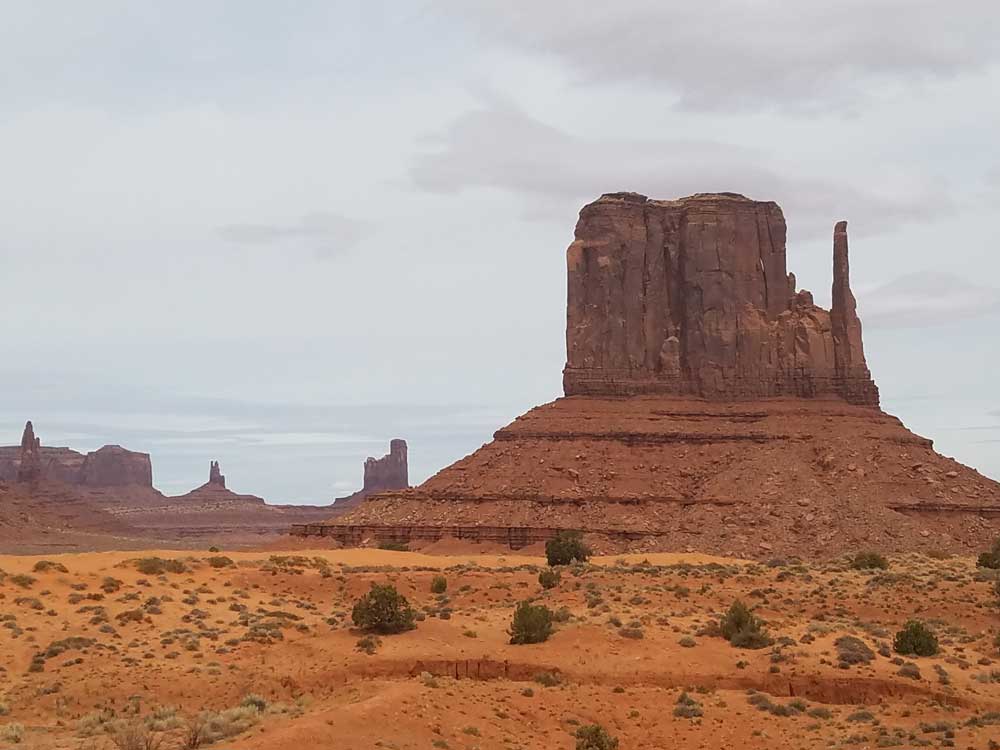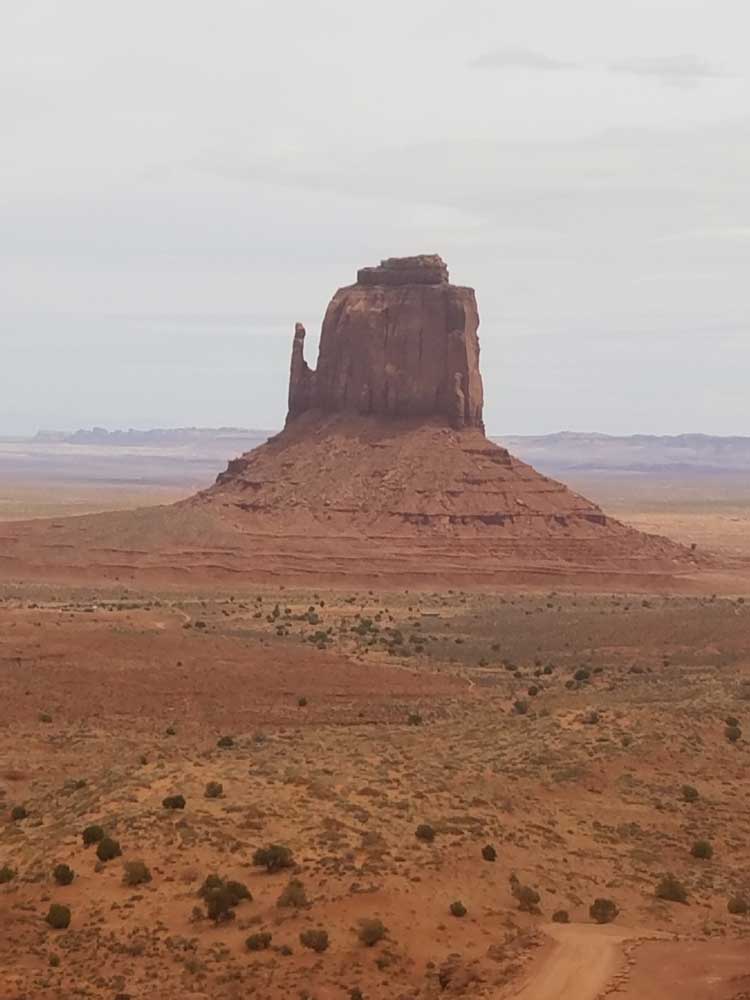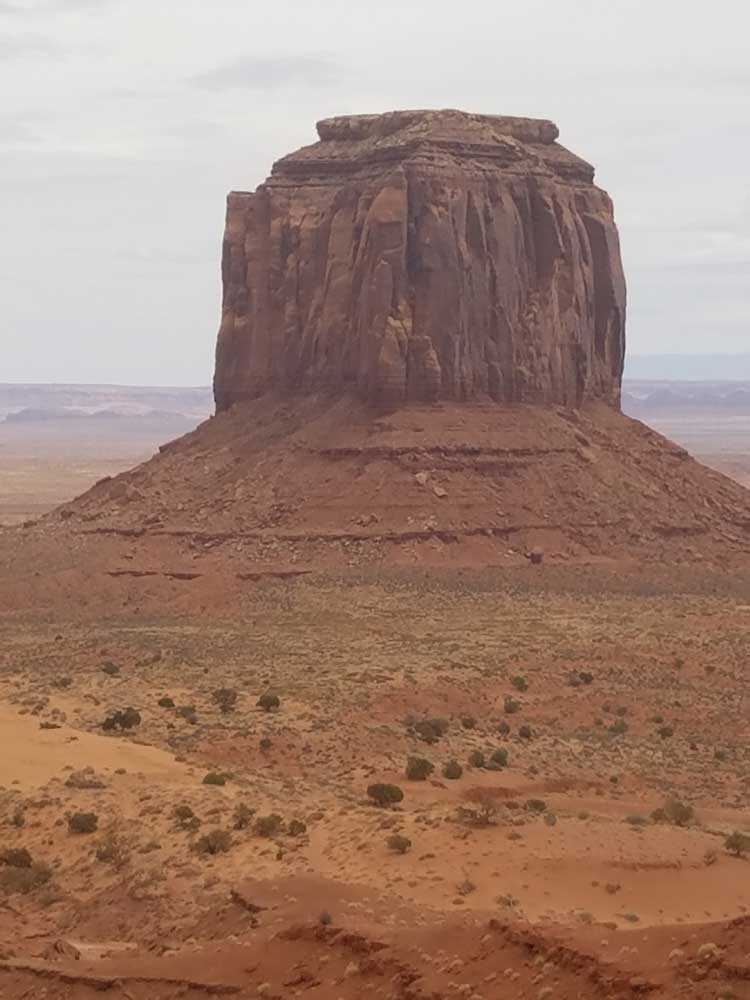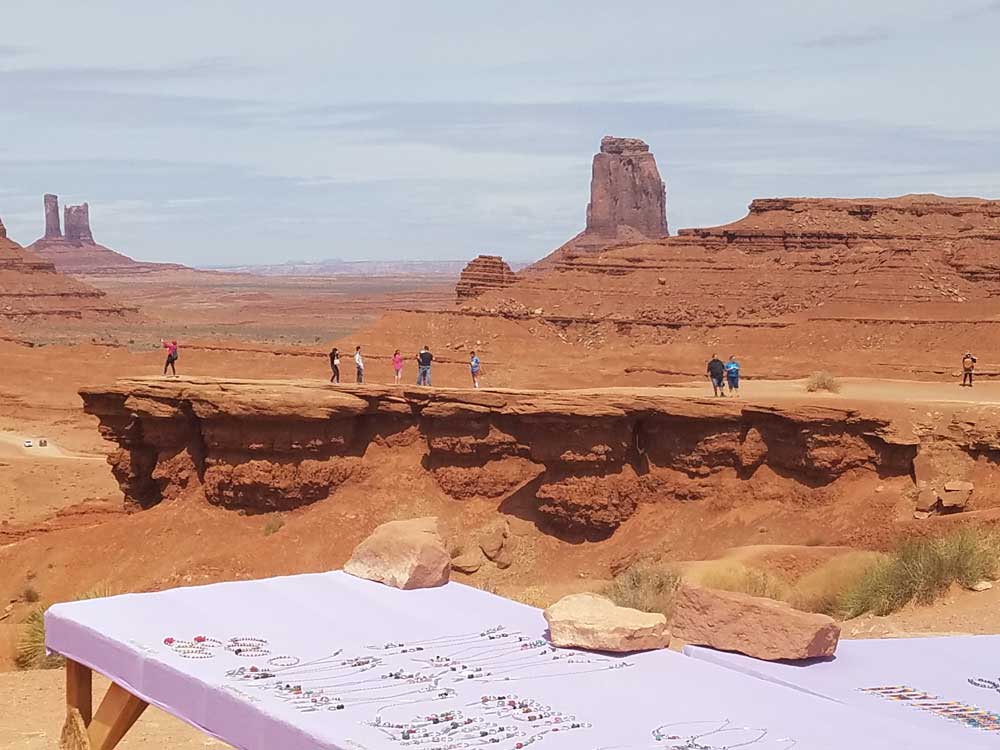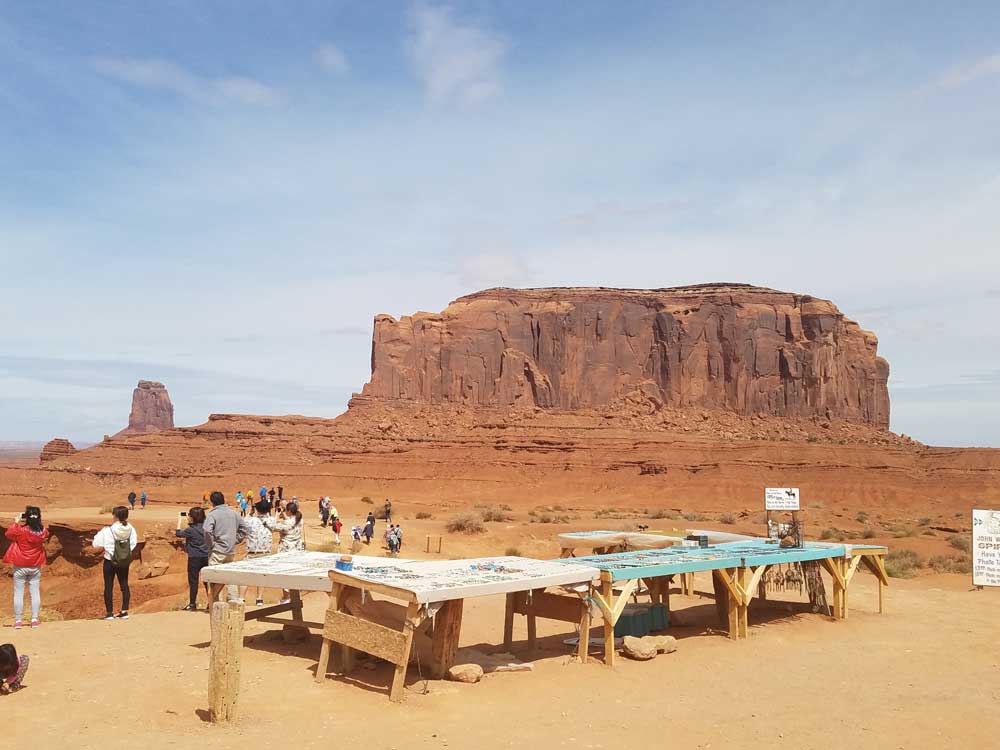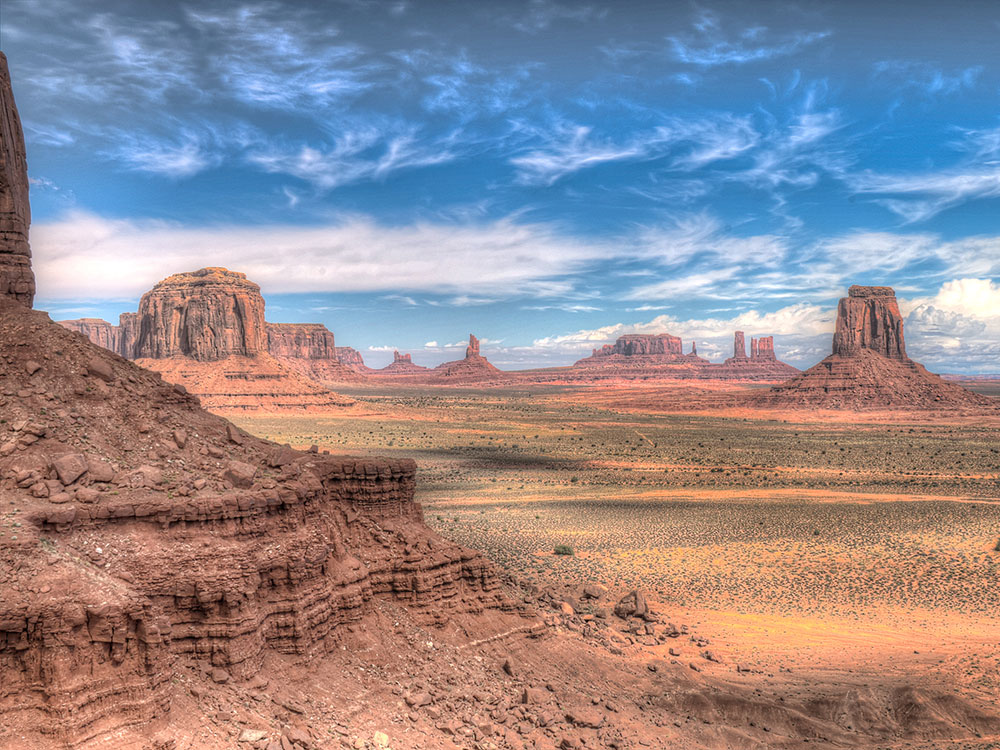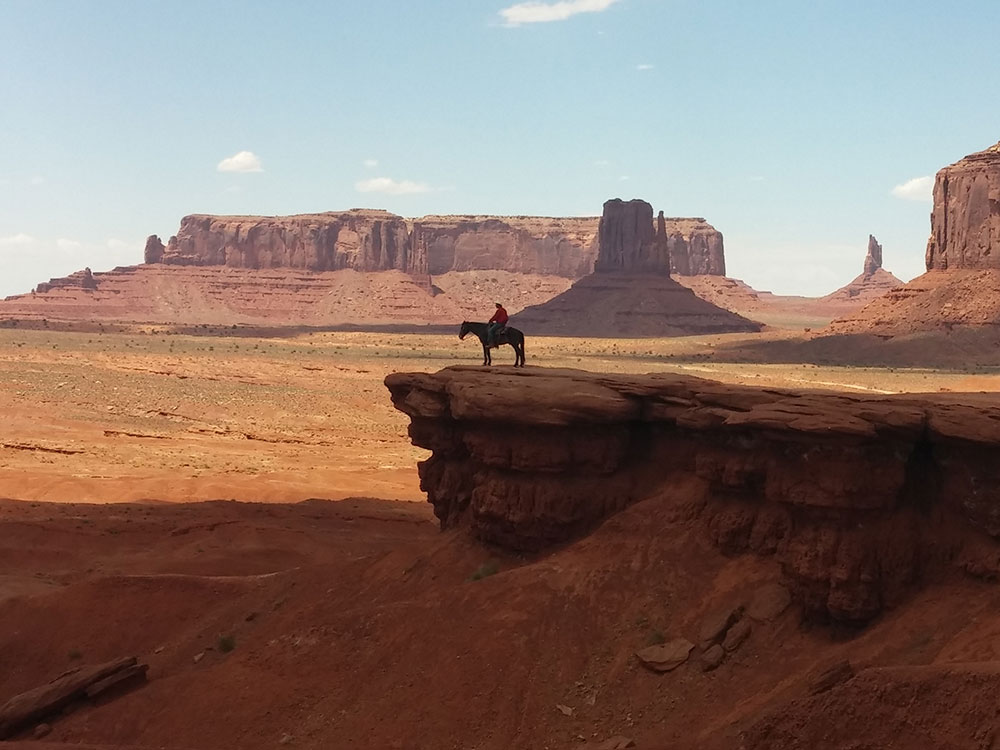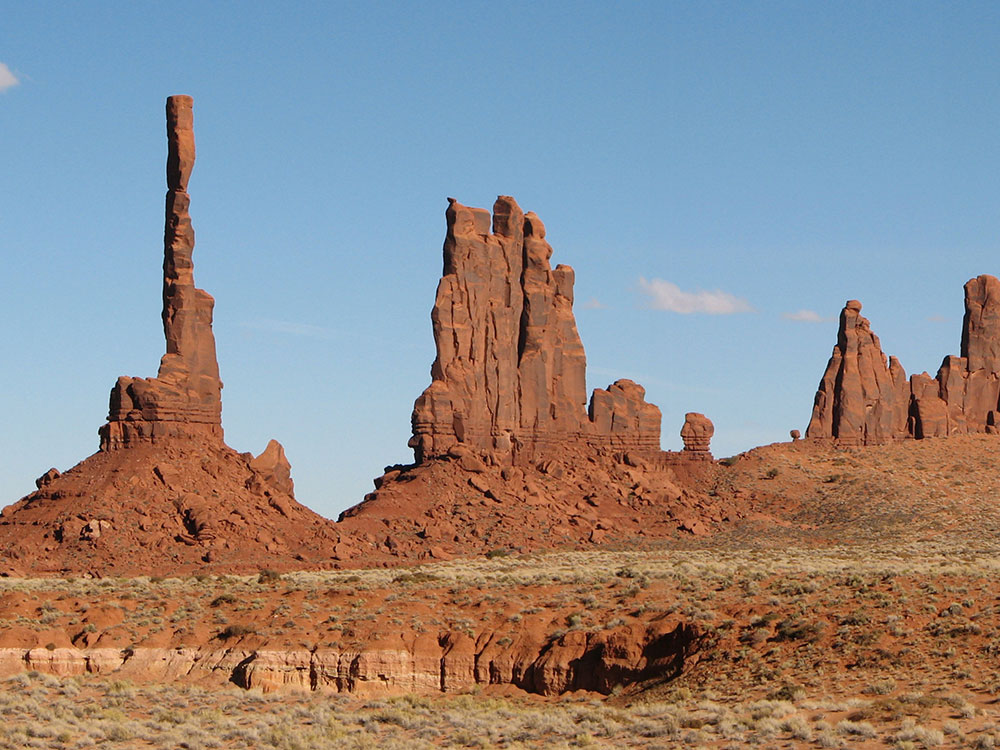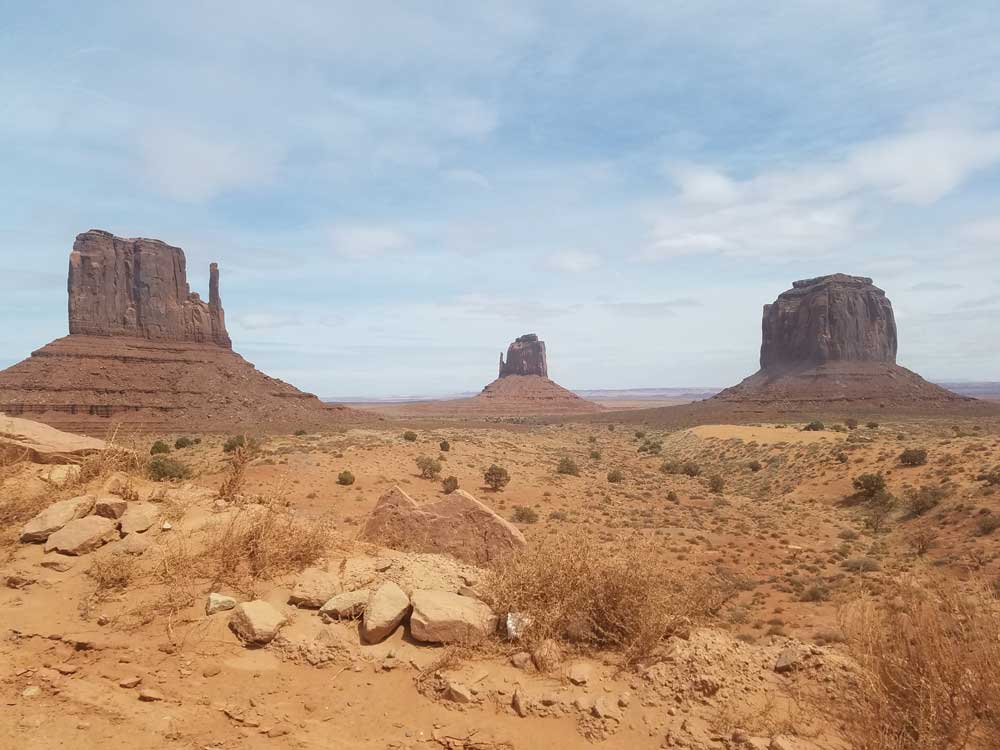
Vast desert landscape defined by towering sandstone buttes, mesas, and expansive open plains shaped by erosion over millions of years into iconic natural formations.
General Information
Visitor Center (Oct 1 – Apr 30): 8:00am – 5:00pm daily
Scenic Drive Summer: 7:00am – 7:00pm (last entry 4:30pm)
Scenic Drive Winter: 8:00am – 5:00pm (last entry 2:30pm)
Vehicle Entry (up to 4 people): $20.00
Additional persons: $8.00 each
National Park Passes are not accepted
Must be leashed at all times
Not permitted inside the visitor center
Mexican Hat, UT (25 mi)
Page, AZ (121 mi)
Summer (June–August) is hottest and busiest
Winter (November–March) is quiet and scenic with occasional snow
How to Get There
From Page, AZ (151mi) Follow AZ-98 E to US-160 E in Navajo County. Take US-163 N to UT-261 N in San Juan County. Drive to UT-316 W
Overview
Monument Valley (Tsé Bii’ Ndzisgaii, “valley of the rocks”) on the Arizona–Utah state line is the iconic image of the American West: a cluster of vast red sandstone buttes rising up to 1,000 feet from the desert floor. It is located within the Navajo Nation and reached via U.S. Highway 163, with the Navajo Tribal Park serving as the main visitor destination. The buttes’ vivid red comes from iron oxide, and famous formations include the “Eye of the Sun.”
Director John Ford used Monument Valley for many of his best-known Westerns, and it has appeared in film, television and advertising ever since the 1930s. Parts of the valley, such as Mystery Valley and Hunts Mesa, are accessible only by guided tour. Forrest Gump Point, where Forrest ends his run in the 1994 film, is on U.S. 163, about 13 miles outside the park.
This article uses material from the Wikipedia article "Monument Valley", which is released under the Creative Commons Attribution-Share-Alike License 3.0
Featured Trails

Jeff P from Berkeley, CA, USA, CC BY 2.0, via Wikimedia Commons; Image Size Adjusted
.jpg)