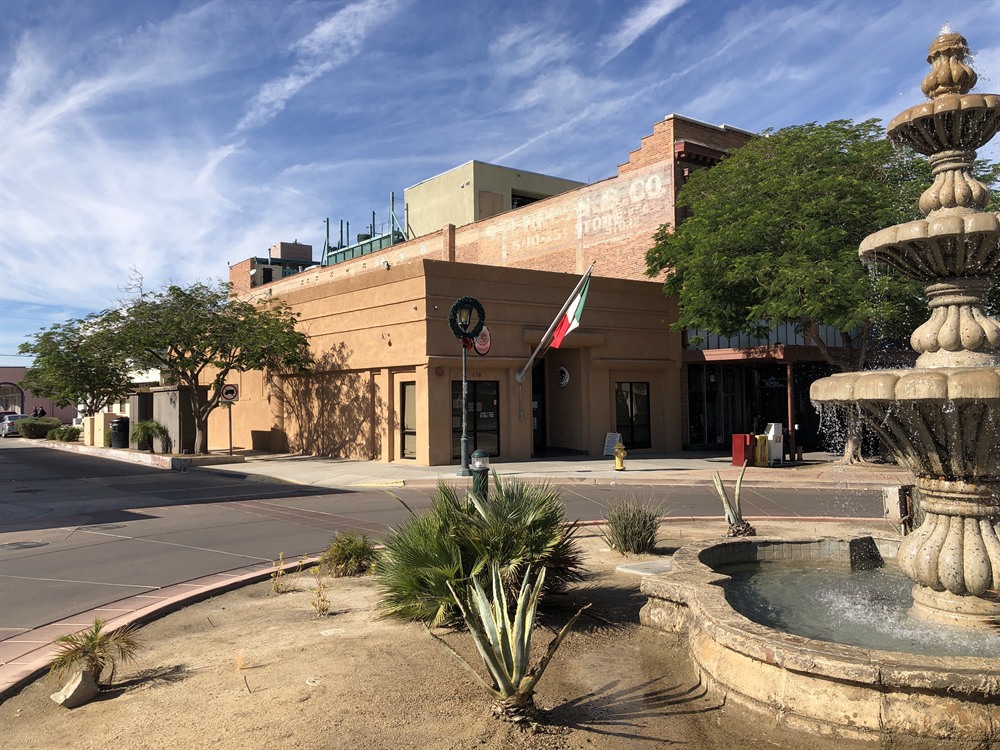
Yuma Travel Guide
Desert city known for its sunny climate, historic riverfront location, and blend of cultural heritage with outdoor recreation opportunities.
Places to See in Yuma
Dough4872, CC BY-SA 4.0, via Wikimedia Commons; Image Size Adjusted

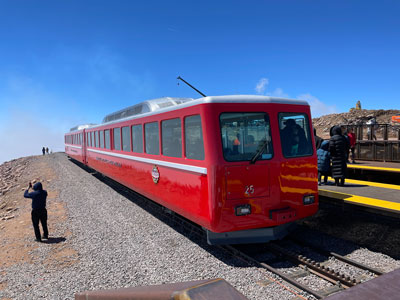
Colorado River State Historic Park
Historic riverside park preserving military buildings, open green spaces, and interpretive exhibits that reflect the region’s role in transportation and settlement.
U.S. Department of Agriculture, Public domain, via Flickr; Image Size Adjusted
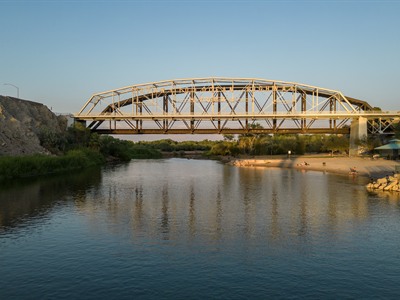
Gateway Park
Riverfront park featuring sandy shoreline access, open recreation areas, and scenic views along a calm stretch of the Colorado River.
Cbl62, CC BY-SA 3.0, via Wikimedia Commons; Image Size Adjusted

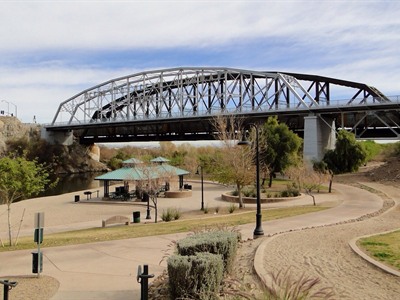
Historic Ocean to Ocean Highway Bridge
Historic steel bridge spanning a major river crossing, offering scenic views and representing an important connection in early cross-country transportation routes.
Dough4872, CC BY-SA 4.0, via Wikimedia Commons; Image Size Adjusted
Pivot Point Plaza
Riverfront gathering space featuring open plazas, shaded walkways, and interpretive elements celebrating local history and community events.
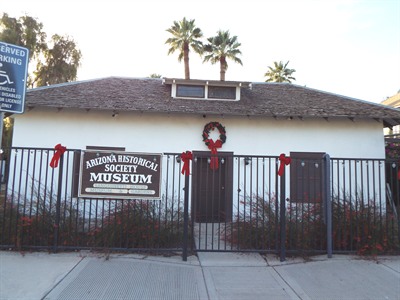
Marine 69-71, CC BY-SA 4.0, via Wikimedia Commons; Image Size Adjusted

Sanguinetti House Museum and Gardens
Historic home museum and garden complex showcasing regional history, preserved architecture, and exhibits reflecting early desert settlement and cultural development.
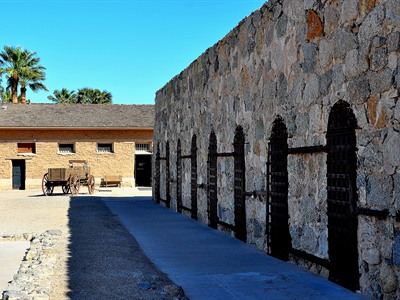
Scotwriter, CC BY-SA 3.0, via Wikimedia Commons; Image Size Adjusted

Yuma Territorial Prison State Historic Park
Former military prison complex showcasing preserved cell blocks, guard towers, and exhibits that illustrate frontier justice and nineteenth-century life.
How to Get There
From Phoenix (185 mi): Take I‑10 W toward Los Angeles, then merge onto US‑95 S and continue directly into the city center.
Overview
The city of Yuma is a historic desert destination in the southwestern corner of Arizona, shaped by its location along the Colorado River near the borders with California and Mexico. It is a long-standing transportation and agricultural hub, and its fields supply much of the country’s winter lettuce and leafy greens.
Yuma is known for having one of the sunniest climates in the United States, with a warm and dry environment that supports outdoor activities and attracts winter visitors. People come to see the territorial prison, enjoy the river and its wetlands, and explore the historic districts that reflect its past as a key crossing point for travelers, soldiers, and settlers moving through the Southwest.
History
The Yuma Crossing, one of the few places where the Colorado River could be crossed, was used by Native peoples, Spanish explorers and, during the Gold Rush, tens of thousands of travelers heading to California. Fort Yuma and a steamboat landing followed, and the Yuma Territorial Prison operated from 1876 to 1909. The arrival of the railroad in 1877 and of irrigation in the early 1900s turned the area into a farming center.
Sightseeing and Popular Landmarks
Key sights include Yuma Territorial Prison State Historic Park, with its original cells and guard tower, the Historic Ocean-to-Ocean Highway Bridge, which carried the first auto traffic across the river, and Pivot Point Plaza and the downtown historic district. Nearby are the Algodones Dunes in California and the Imperial National Wildlife Refuge.
Culture and Museums
Yuma’s museums showcase the area’s development over time. They include the Sanguinetti House Museum and Gardens, the home of a prominent merchant, the prison museum, and the Colorado River State Historic Park, which preserves the 1870s Quartermaster Depot. The Yuma Art Center and local festivals add to the cultural scene.
Parks
Parks, trails and waterways provide opportunities for recreation, including Gateway Park along the riverfront and the Yuma East Wetlands and West Wetlands Park, which have been restored as riverfront habitat. The Imperial National Wildlife Refuge north of the city is popular for birdwatching and boating.
Seasons and Weather
Yuma has a hot desert climate with very low rainfall, usually less than four inches per year. Summers are extremely hot, with highs often above 105°F, while winters are warm and sunny, with highs near 70°F, which makes it the most popular season. Spring and fall are pleasant, and the combination of strong sunshine and river access makes the city a distinctive destination.
This article uses material from official city and tourism resources for Yuma, along with the Wikipedia article "Yuma, Arizona", Arizona State Parks, the Yuma Crossing National Heritage Area and Visit Yuma visitor information, and National Weather Service climate data, which are released under the Creative Commons Attribution-Share-Alike License 3.0.