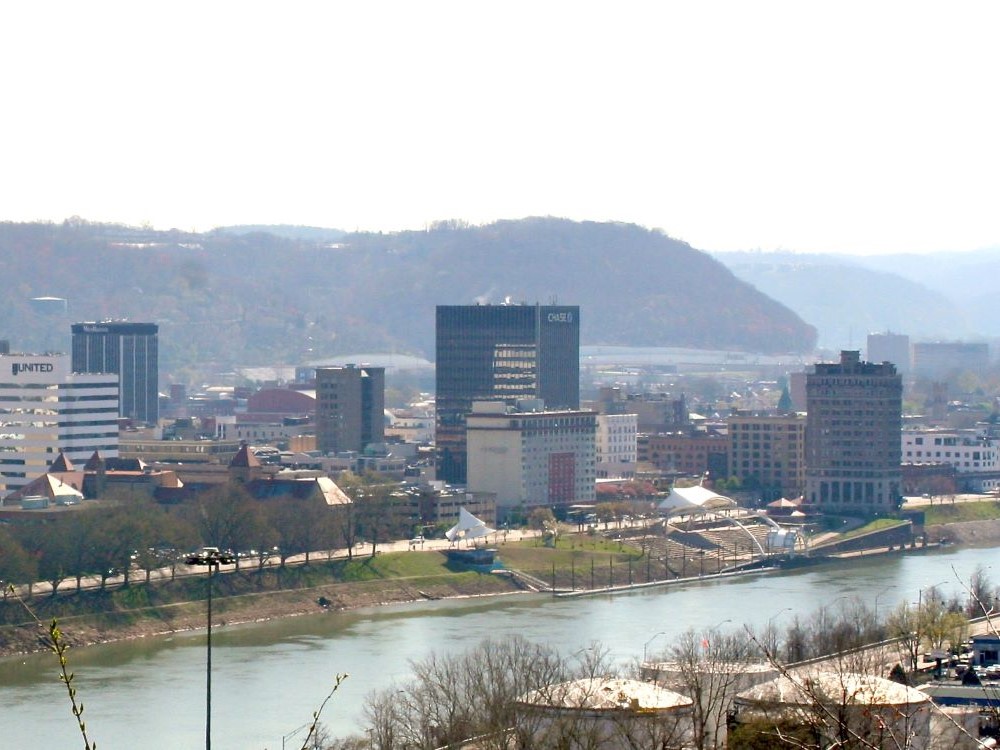
Charleston Travel Guide
Capital city known for its gold-domed capitol, riverfront parks, vibrant arts scene, and blend of Appalachian heritage with modern culture.
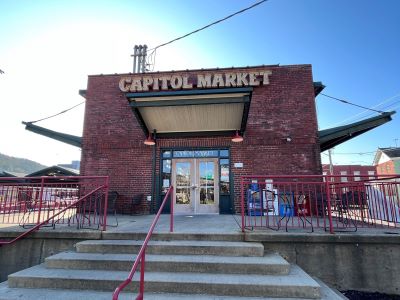
Capitol Market
Indoor-outdoor marketplace offering seasonal produce, specialty foods, artisan goods, and local dining in a historic train station.
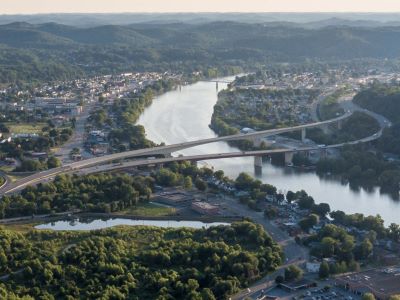
Haddad Riverfront Park
Riverside amphitheater and green space hosting concerts, festivals, and community events along a scenic downtown waterfront.
Sunrise Carriage Trail
Historic hillside trail with gentle gravel paths, stonework, and forested views connecting downtown to a scenic overlook.

West Virginia Governor's Mansion
Elegant Georgian-style executive residence featuring formal gardens, historic furnishings, and guided public tours.

West Virginia State Capitol
Beaux-Arts style government building featuring a grand gold dome, marble interiors, and historic legislative chambers.
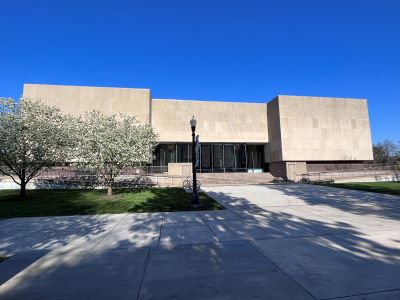
West Virginia State Museum
Interactive museum experience featuring immersive exhibits on state history, culture, geology, and notable figures.
Overview
Charleston is the capital and largest city of West Virginia, on the Kanawha River in the southwestern part of the state, and it is known for the gold-domed West Virginia State Capitol, one of the most striking state capitols in the country. The city is set in the Appalachian foothills at the confluence of the Elk and Kanawha Rivers, and it has long been a center for the state's coal, chemical, and natural gas industries. It is a small, friendly capital with a growing food and arts scene and a gateway to outdoor adventures in the New River Gorge and the Kanawha Valley.
Visitors come to Charleston for the State Capitol, for the West Virginia State Museum, and for the Capitol Market, one of the oldest and largest public markets in the state. They also come for the Haddad Riverfront Park, for the Sunrise Museum, and for outdoor recreation in the nearby New River Gorge National Park and Preserve, about an hour away.
History
Colonel George Clendenin built Fort Lee at the mouth of the Elk River in 1788, and the settlement that grew around it was named Charleston in 1794 after his father, Charles Clendenin. Salt production, from brine wells along the Kanawha River, was the first major industry, followed by coal and, in the twentieth century, chemicals, which led the Kanawha Valley to be called "Chemical Valley." Charleston became the capital of West Virginia in 1885, after the capital moved back and forth between Wheeling and Charleston, and the current Capitol was designed by Cass Gilbert and completed in 1932. Daniel Boone lived in the Kanawha Valley in the 1780s and 1790s.
Sightseeing and Popular Landmarks
The West Virginia State Capitol, designed by Cass Gilbert, has a 293-foot gold-leaf dome that is taller than the U.S. Capitol's, and the building's grounds overlook the Kanawha River and have memorials to veterans. The Governor's Mansion, a Georgian Revival house from 1925, is open for tours, and the Capitol Market, in a historic railroad building, has fresh produce, food vendors, and a Saturday farmers market. The Sunrise Carriage Trail is a scenic hillside trail.
Culture and Museums
The West Virginia State Museum at the Culture Center has exhibits on the state's history, from prehistory to the present, and the Clay Center for the Arts & Sciences has an art museum, a planetarium, and a theater. The Sunrise Museum has a mansion and a gallery and science museum, and the Charleston Light Opera Guild and the West Virginia Symphony Orchestra provide performing arts. The annual Vandalia Gathering celebrates Appalachian music and crafts, and the Charleston Sternwheel Regatta is held in September.
Parks
Haddad Riverfront Park has a boardwalk, a playground, and an amphitheater on the Kanawha River, and Kanawha State Forest, just south of the city, has trails, camping, and a swimming lake. Coonskin Park and Daniel Boone Park are other places to get outdoors, and the New River Gorge National Park and Preserve and the Gauley River National Recreation Area are within an hour for whitewater rafting and hiking.
Seasons and Weather
Charleston has a humid subtropical to humid continental climate. Summers are warm and humid, with highs in the upper 80s°F, and winters are cold, with highs in the 40s°F and about 25 inches of snow. Spring and fall are the most pleasant seasons, and fall color in the surrounding hills is a highlight in October.
This article uses material from Wikipedia as well as information from official tourism and institutional sources. Key references include Visit Charleston WV, West Virginia Tourism, West Virginia State Museum, Capitol Market, and National Weather Service Charleston WV. Wikipedia material is from the article "Charleston, West Virginia", and is available under the Creative Commons Attribution-Share-Alike License 3.0.