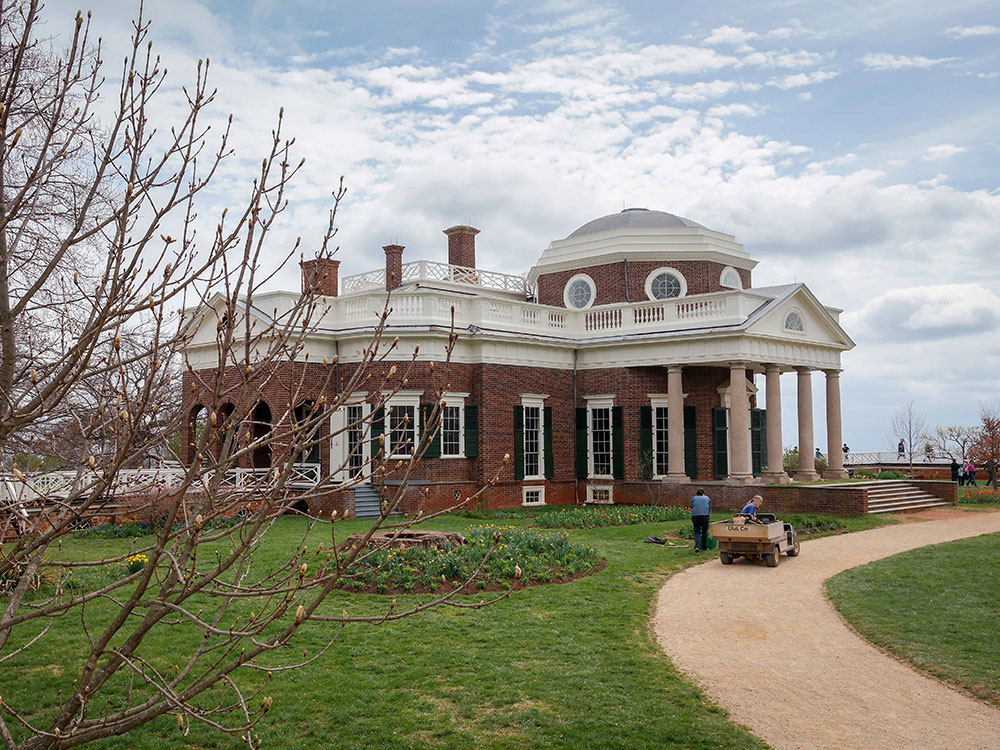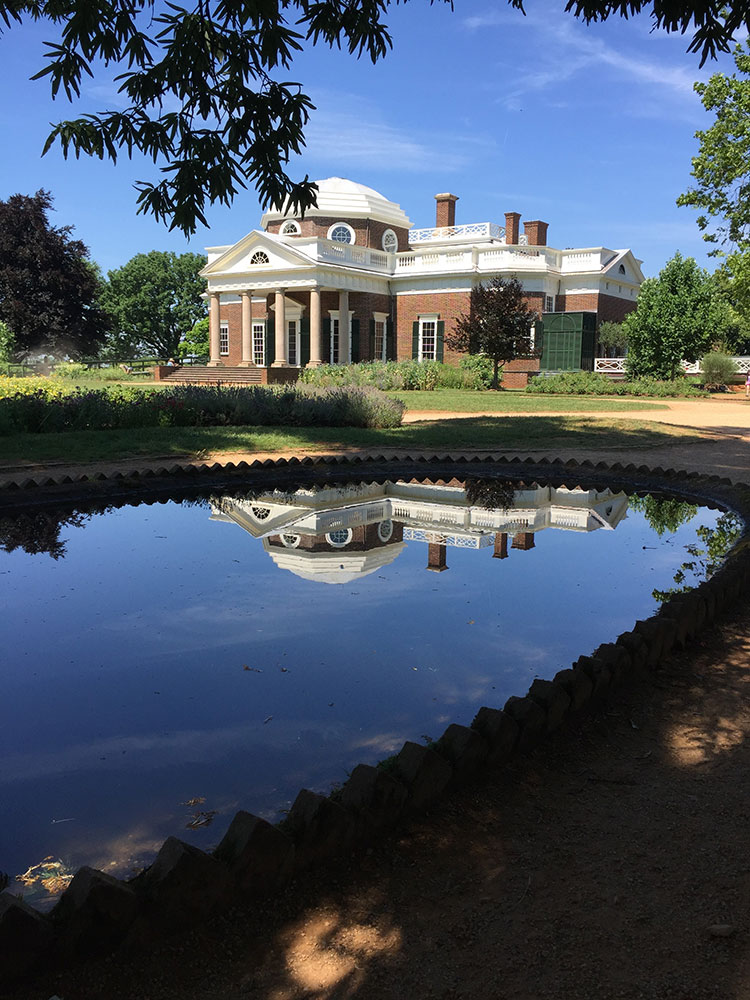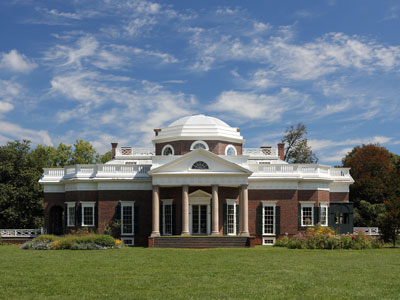

Historic mountaintop estate featuring a neoclassical residence, gardens, and preserved plantation landscape designed as a lifelong architectural project and interpreted through guided tours and exhibitions.
General Information
- Hours:
-
Daily: 10:00am to 4:30pm
Hours vary seasonally and may change for holidays
Advance ticket reservations are recommended - Fees:
-
Adults (25+): $39
Youth (12–18): $18
Children 11 and under: Free - Pet Policy:
- Pets are not allowed
- Closest cities with hotels:
- Charlottesville (3 mi)
- Seasons:
- Spring through Fall
- Location:
- 1050 Monticello Loop, Charlottesville, VA 22902
- Website:
- monticello.org
How to Get There
From Charlottesville, VA (3 mi): Take US‑20 S, turn left onto VA‑53 E (Thomas Jefferson Parkway), then follow signs to Monticello Loop and continue to the visitor center parking area.
Overview
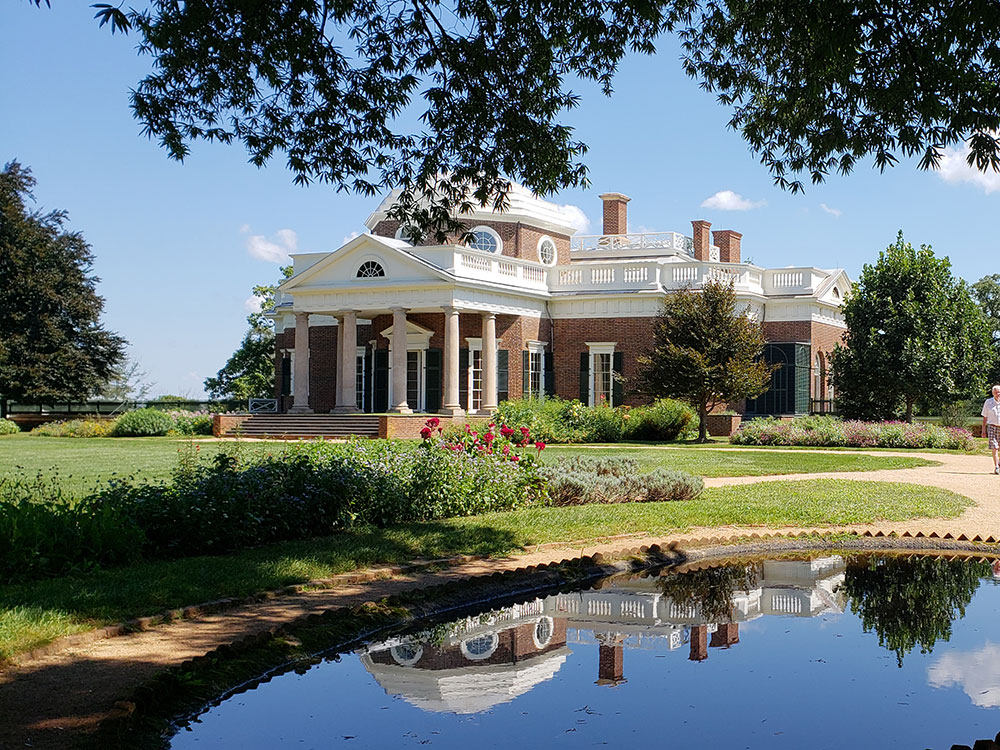
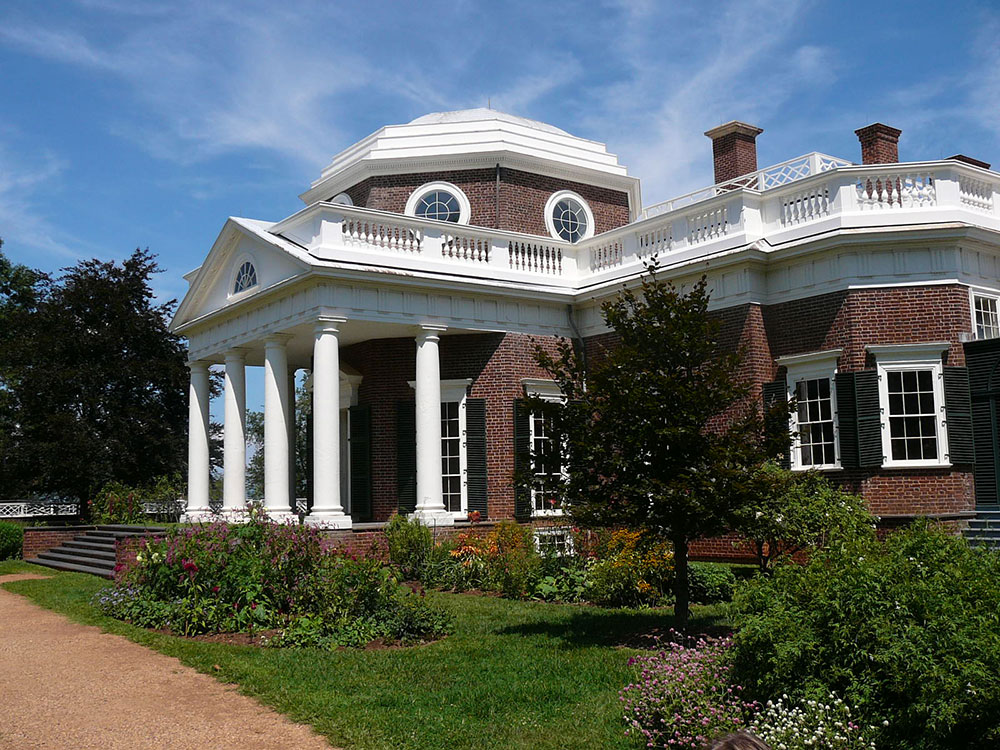
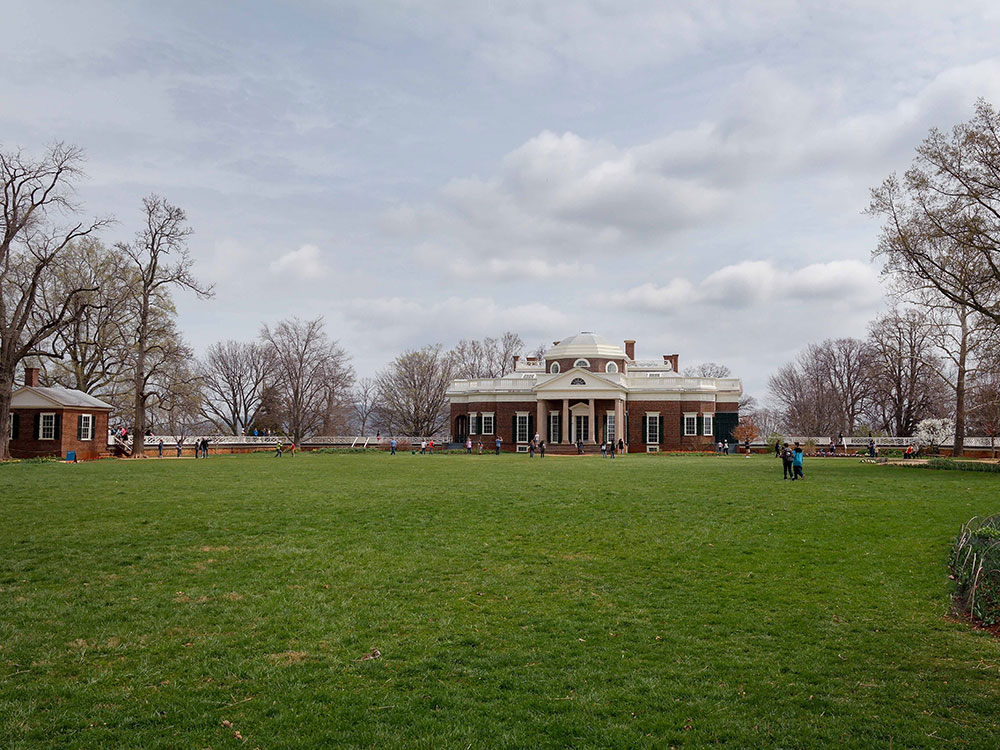
Monticello was Thomas Jefferson's plantation and home just outside Charlottesville, which he began designing at age 26. Jefferson's neoclassical, Palladio-inspired house crowns an 850-foot hilltop ("little mountain" in Italian), and he reworked it for decades. It is a National Historic Landmark and, together with the University of Virginia, a UNESCO World Heritage Site, and it appears on the back of the U.S. nickel.
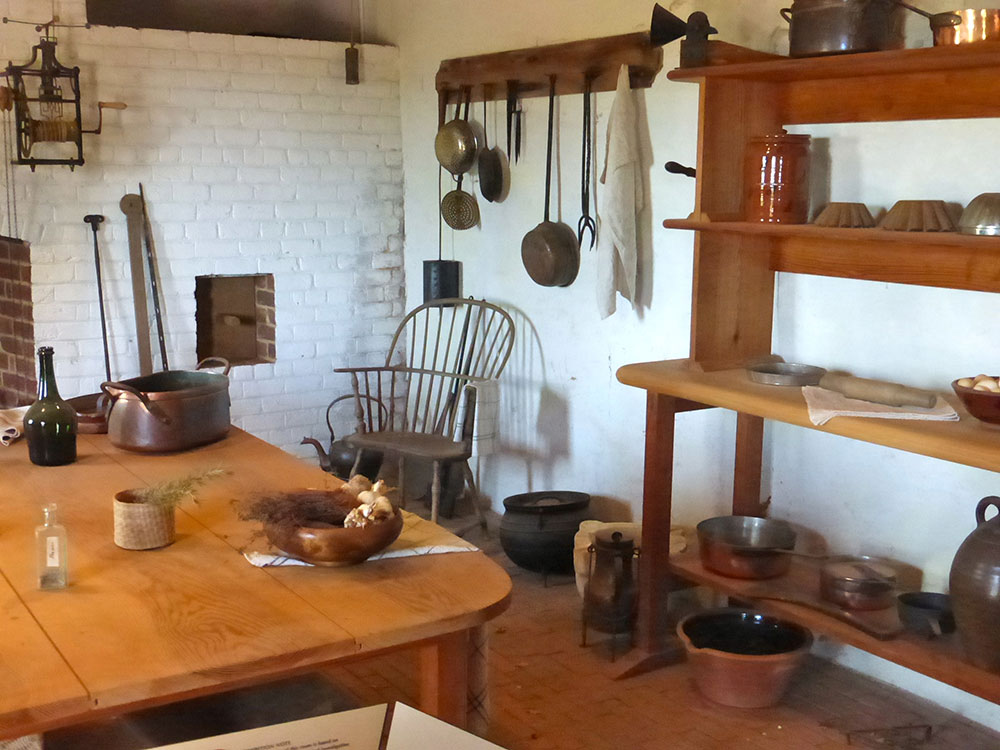
The 5,000-acre plantation relied on the labor of enslaved people, and tours cover their lives along Mulberry Row, the lane of workshops and quarters. After Jefferson's death in 1826 the property was sold, then preserved by Commodore Uriah P. Levy and his nephew before the Thomas Jefferson Foundation bought it in 1923.
What to See
- The house: Jefferson's inventive design and collections
- Mulberry Row: a nailery, workshops, and quarters of enslaved workers
- Gardens: flower and vegetable gardens and Jefferson's plant experiments
- Monticello Cemetery: Jefferson's burial place
History
Thomas Jefferson began building Monticello in 1769 and spent more than 40 years designing, remodeling and expanding it, filling it with his inventions and collections. The plantation relied on the labor of hundreds of enslaved people, including members of the Hemings family. After Jefferson died in 1826, his heavily indebted family sold the house and most of the enslaved people living there. The property was later owned by the Levy family, who preserved it, and in 1923 the Thomas Jefferson Foundation purchased Monticello and opened it to the public.
Tour Overview
The interior of the house can only be seen on a guided tour, and timed tickets should be reserved in advance online, especially on weekends and holidays. Tours begin at the visitor center, where a shuttle takes visitors up the mountain to the house. The standard house tour lasts about 30 to 45 minutes and visits the main rooms on the first floor, and specialty tours of the upper floors and other topics are offered separately. After the tour, visitors can explore the gardens, Mulberry Row and the cemetery on their own. Arrive at least 30 minutes before your tour time, and note that pets are not allowed.
This article uses material from the Wikipedia article "Monticello", which is released under the Creative Commons Attribution-Share-Alike License 3.0