Manassas National Battlefield Park

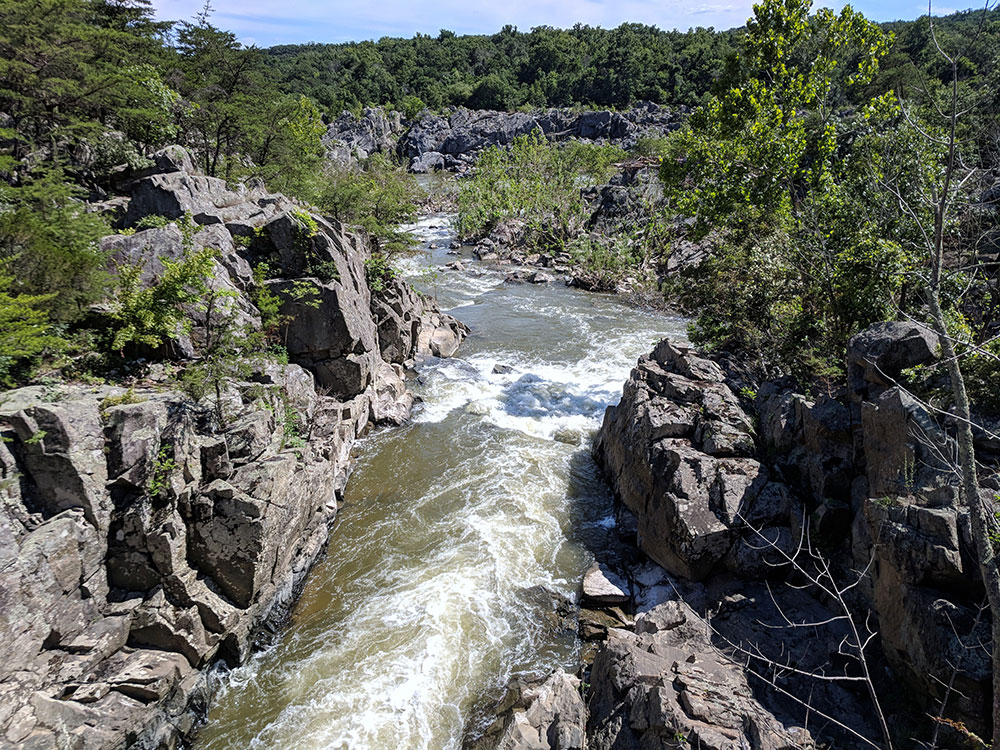
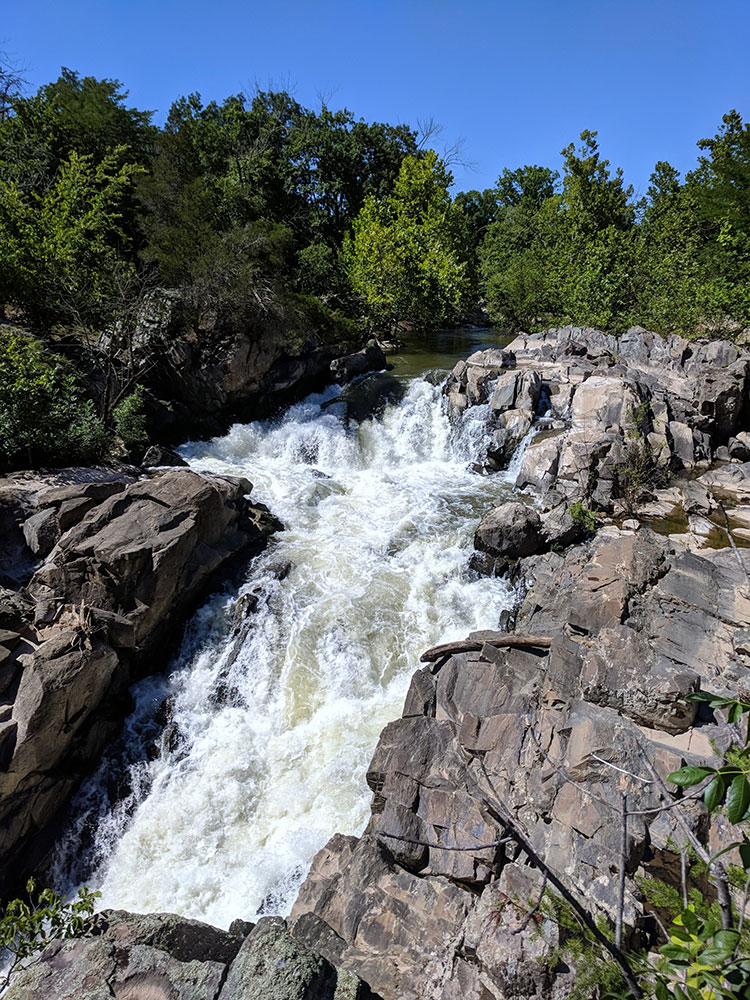
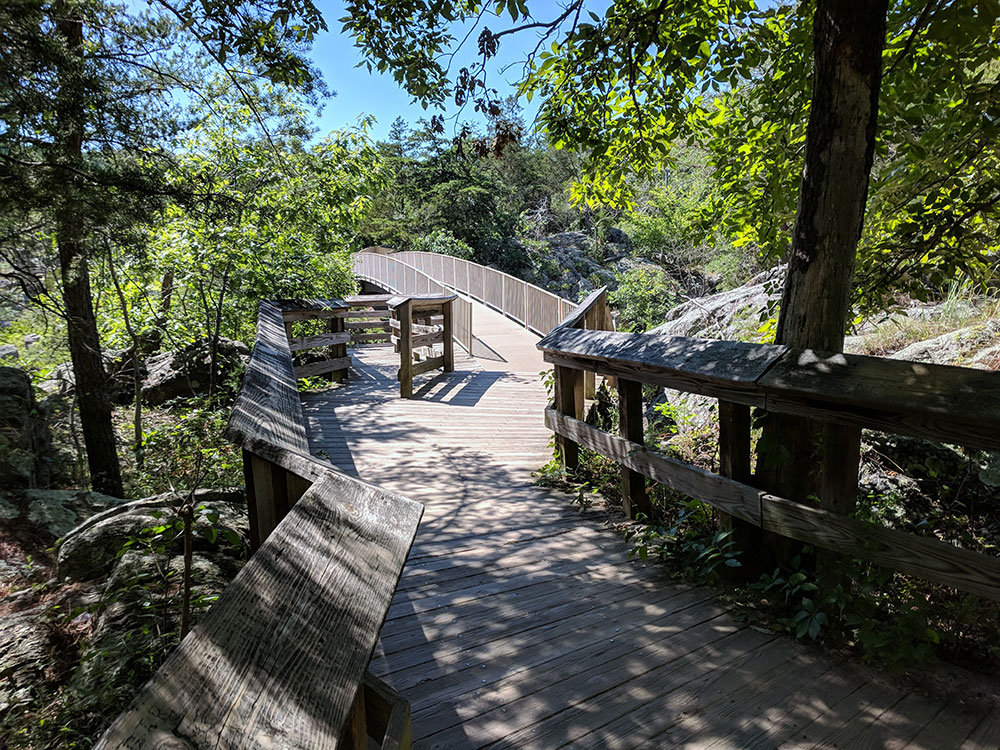
Judy Gallagher, CC BY 2.0, via Wikimedia Commons; Image Size Adjusted

Preserved Civil War battlefield featuring historic landscapes, monuments, museums, hiking trails, interpretive programs, and the sites of the First and Second Battles of Manassas.

General Information

Hours:
Park grounds: Sunrise to Sunset daily
Henry Hill Visitor Center: 9:00am to 5:00pm daily
Closed Thanksgiving, Christmas Eve, Christmas Day, December 26, and New Year's Day
Fees:
Free admission
Pet Policy:
Pets are allowed on park grounds and hiking trails but must remain on a leash at all times; pets are not permitted inside visitor center buildings
Closest cities with hotels:
Manassas (3 mi)
Seasons:
All year
Location:
https://www.google.com/maps/search/?api=1&query=6511+Sudley+Road+Manassas+VA+20109">6511 Sudley Road, Manassas, VA 20109
Website:
/" rel="noopener" target="_blank">nps.gov/mana

From Washington, DC (26 mi): Take I‑66 west to the Manassas Battlefield exits and follow signs to Manassas National Battlefield Park and the Henry Hill Visitor Center.

Overview

Manassas National Battlefield Park preserves the site of two major American Civil War battles: the First Battle of Bull Run, also called the Battle of First Manassas, and the Second Battle of Bull Run or Battle of Second Manassas. It was also where Confederate General Thomas J. Jackson acquired his nickname "Stonewall". The park was established in 1936 and listed on the National Register of Historic Places on October 15, 1966.

More than 700,000 people visit the battlefield each year. The Henry Hill Visitor Center, on Sudley Road by the south entrance to the park, offers exhibits and interpretation regarding the First Battle of Bull Run, including Civil War-era uniforms, weapons, field gear and an electronic battle map. The center offers the orientation film Manassas: End of Innocence, as well as a bookstore.

Things to Do

Explore the Site of the First Major Civil War Battle

Manassas National Battlefield Park preserves the landscape where the First and Second Battles of Bull Run (Manassas) were fought during the American Civil War. Located in Northern Virginia, the park protects more than 5,000 acres of historic battlefield, rolling farmland, forests, and interpretive sites that help visitors understand two of the war's most significant engagements.

Visit the Henry Hill Visitor Center

The Henry Hill Visitor Center serves as the primary gateway to the battlefield and features exhibits, artifacts, maps, and a film that explains the events of both battles. Visitors can gain a deeper understanding of military strategy, key commanders, and the impact these battles had on the course of the Civil War.

Explore Historic Battlefield Landmarks

Throughout the park, visitors can visit important sites such as Henry Hill, Matthews Hill, Stone House, Brawner Farm, Deep Cut, and Chinn Ridge. These locations provide insight into pivotal moments and troop movements that shaped both battles.

Take the Self-Guided Driving Tour

The park's self-guided driving route connects major battle locations and interpretive stops throughout the battlefield. Visitors can explore the extensive landscape while learning about the campaigns, soldiers, and events associated with the First and Second Battles of Manassas.

Enjoy Wildlife Viewing and Outdoor Recreation

In addition to its historical significance, the park provides opportunities for hiking, birdwatching, photography, and nature observation. Open fields, forests, and streams support a variety of wildlife species and offer scenic views throughout the year.

Top Trails

Henry Hill Loop Trail

Length: Approximately 1.5 miles loop
Elevation Gain: Minimal to Moderate
Difficulty: Easy

This popular trail explores the heart of the First Battle of Bull Run and passes key locations including the Henry House and artillery positions. Interpretive signs help explain the battle's major events while providing scenic views of the battlefield.

Stone Bridge Trail

Length: Approximately 1.3 miles round trip
Elevation Gain: Minimal
Difficulty: Easy

This trail leads to the historic Stone Bridge over Bull Run, one of the battle's most important locations. Visitors can learn about troop movements and the opening stages of the First Battle of Manassas while enjoying a pleasant walk along the stream.

Brawner Farm Trail

Length: Approximately 1 mile loop
Elevation Gain: Minimal
Difficulty: Easy

Located on the Second Manassas battlefield, this trail explores the site where intense fighting erupted in August 1862. Interpretive exhibits provide context about the battle and the soldiers who fought there.

Deep Cut and Unfinished Railroad Trail

Length: Approximately 1.5 miles round trip
Elevation Gain: Minimal
Difficulty: Easy

This trail follows portions of an unfinished railroad grade that became a major Confederate defensive position during the Second Battle of Manassas. Visitors can walk through one of the battlefield's most important and well-preserved historic landscapes.

Sources: National Park Service official Manassas National Battlefield Park information, including details on the First and Second Battles of Manassas, visitor center exhibits, battlefield preservation, driving tours, hiking trails, and visitor activities. https://www.nps.gov/mana
Additional historical and trail information verified through National Park Service resources covering Henry Hill, Stone Bridge, Brawner Farm, Deep Cut, and other significant battlefield locations. https://www.nps.gov/mana/planyourvisit

  1. Stone House - used as a hospital during both battles. It is near the intersection of Sudley Road and Lee Highway (Warrenton Turnpike).
  2. Stone Bridge - which the Union retreated across after Second Bull Run. It crosses just north of Lee Highway (Warrenton Turnpike) at the Fairfax-Prince William Co. line.
  3. Brawner's Farm - the opening phase of the second battle. The parking lot is off of Pageland Lane at the western edge of the battlefield. It has recently been renovated to become a museum dedicated to the Second Battle of Bull Run.
  4. Battery Heights - where Confederate batteries were deployed to fire on the attacking Union troops at nearby Brawner's Farm. It is off of Lee Highway (Warrenton Turnpike).
  5. Matthews Hill - the opening phase of the first battle. It is off of Sudley Road.
  6. The Unfinished Railroad Grade - where Jackson deployed his men before the second battle after capturing Pope's supply depot. Off of Featherbed Lane.
  7. The Deep Cut - where Pope launched the bulk of his attacks against the Grade. It is off of Featherbed Lane, before you reach the Railroad Grade.
  8. Groveton - an extinct Civil War era village. All that remains is the small frame house that Lucinda Dogan lived in. A Confederate Cemetery is nearby. Both are off Lee Highway (Warrenton Turnpike).
  9. New York Monuments - two monuments dedicated to the 5th and 10th New York Regiments. These mark where the 5th New York Zouaves lost 123 men in 5 minutes in the advance of Hood's men; off of Lee Highway (Warrenton Turnpike), near Young's Branch on 5th New York Avenue and cross from the Confederate cemetery at Groveton.
  10. Hazel Plain - the plantation of the Chinn family. It now sits in ruins, and only the foundation remains. Directly across from the Henry Hill Visitors Center.
  11. Chinn Ridge - across from Hazel Plain. General James Longstreet's massive counterattack during the second battle took place here. A trail leads to a boulder for Union Colonel Fletcher Webster, the son of the famous orator Daniel Webster, who was killed leading a failed attempt at repulsing the Confederate Counterattack.
  12. Portici - the plantation of Francis Lewis, now in ruins. This served as the Confederate Headquarters during the first battle, and minor skirmishes between companies occurred on the surrounding plains.
  13. Robinson House - now in ruins (lost to arson in 1993), was the home of free black man James Robinson. It is on the Henry Hill Loop Trail, walking only. It is not accessible by car.
  14. Stonewall Jackson Monument - bronze monument erected on Henry Hill. Commemorates General Thomas J. Jackson and contains the origin of his moniker.

This article uses material from the Wikipedia article "Manassas National Battlefield Park", which is released under the Creative Commons Attribution-Share-Alike License 3.0

steven-udvay-space-center-exterior
Bohemian Baltimore, CC BY-SA 4.0, via Wikimedia Commons ; Image Size Adjusted
steven-udvay-space-center-spacesuit
Bohemian Baltimore, CC BY-SA 4.0, via Wikimedia Commons ; Image Size Adjusted
steven-udvay-space-center-hanger
Bohemian Baltimore, CC BY-SA 4.0, via Wikimedia Commons ; Image Size Adjusted