Fort Pulaski National Monument

National monument preserves fort located on Cockspur Island between Savannah and Tybee Island

General Information

Hours:
Fort Pulaski National Monument is open year round from 9am to 5pm, except for New Years, Thanksgiving, and Christmas Days.
The Visitor Center is open from 9am to 5pm and historic Fort Pulaski is open 9am to 4:45pm
Fees:
Per Person: $10 valid for 7 consecutive days. Youth 15 and under are admitted free of charge
Accepts America The Beautiful Pass
Pet Policy:
Pets allowed
Seasons:
All year. Weather is hot and humid during the summer
Rating:
5.0

Head east on E Bay St toward E Upper Factors Walk. Continue onto General McIntosh Blvd. Use the left 2 lanes to turn left onto E President St. Continue straight to stay on E President St. Continue onto Islands Expy. Keep left at the fork, follow signs for US-80 E and merge onto US-80 E/Islands Expy.

Overview

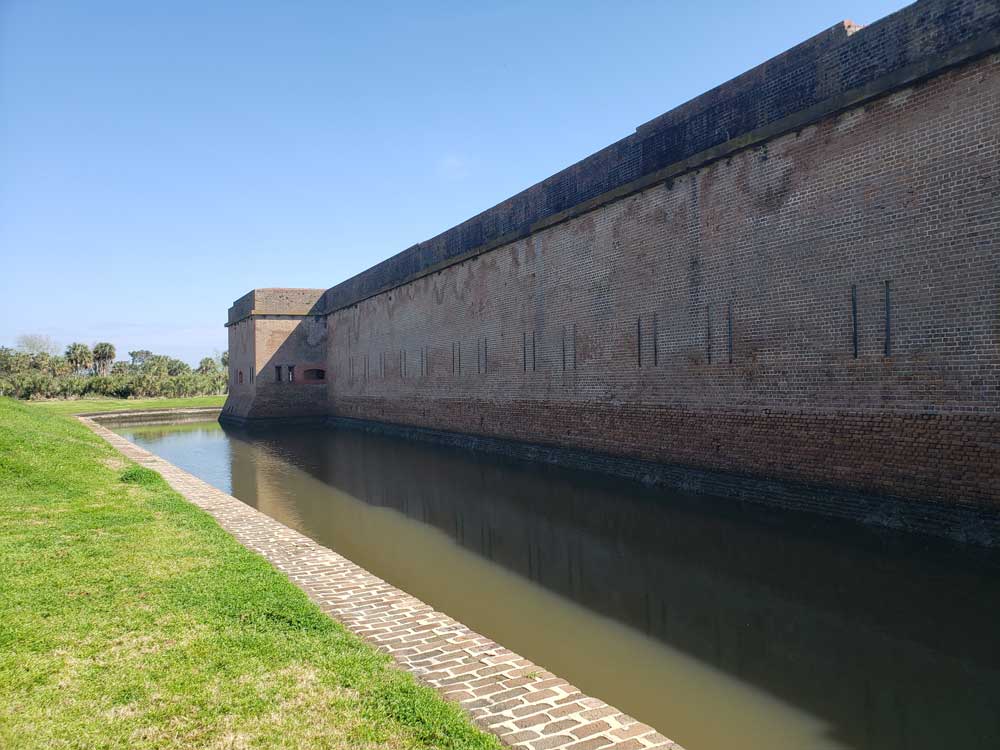
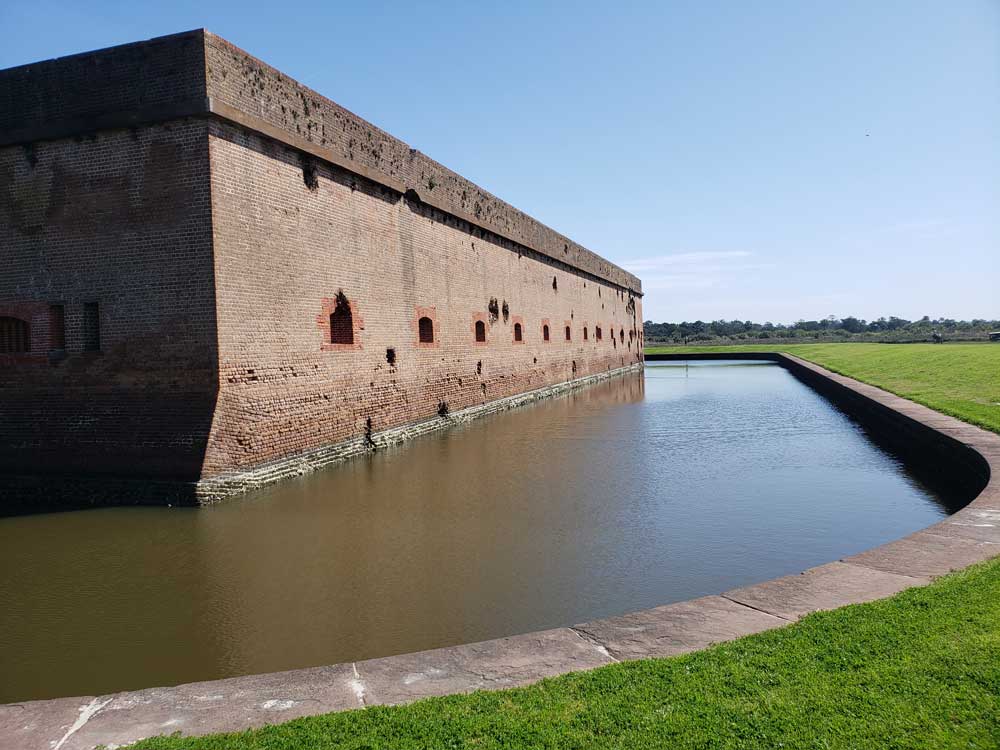
Fort Pulaski National Monument is located on Cockspur Island between Savannah and Tybee Island, Georgia. It preserves Fort Pulaski; during the American Civil War, the Union Army successfully tested rifled cannon in combat in 1862 there, the success of which rendered brick fortifications obsolete. The fort was also used as a prisoner-of-war camp.

The National Monument includes most of Cockspur Island (containing the fort) and all of the adjacent McQueens Island.

Things to Do

Explore One of America's Best-Preserved Civil War Forts

Fort Pulaski National Monument preserves the massive brick fort that once guarded the entrance to Savannah's harbor. Completed in 1847, the fort is best known for the Civil War siege of 1862, when Union forces used rifled artillery to breach its walls, forever changing military fortification design. Visitors can explore the fort's impressive architecture while learning about its important role in American history.

Tour the Historic Fort

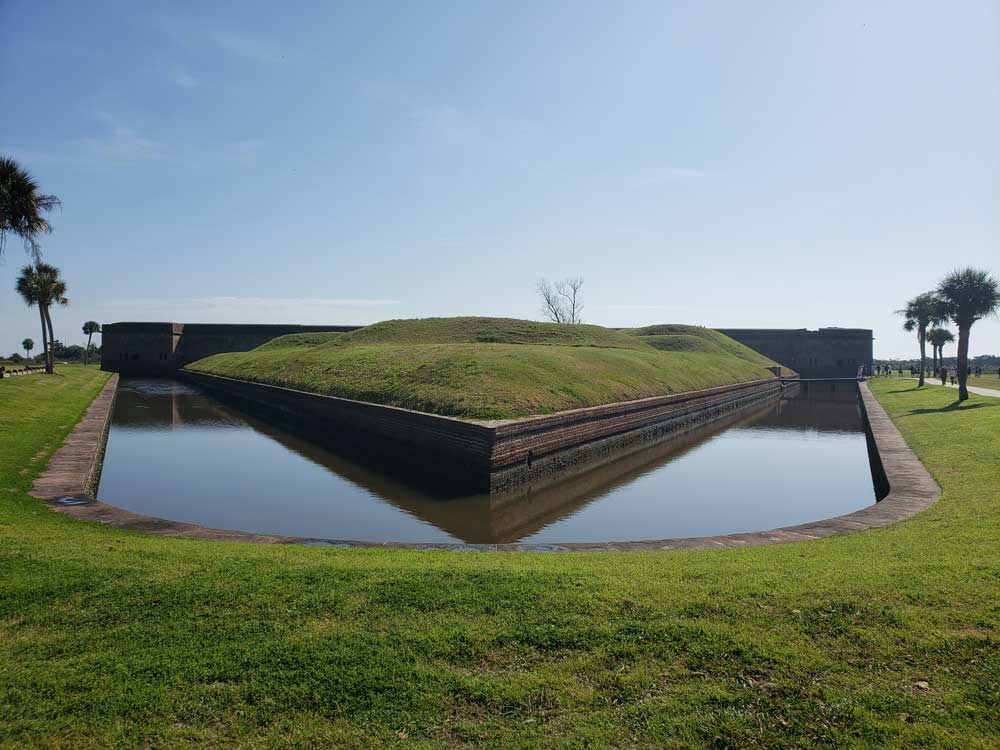
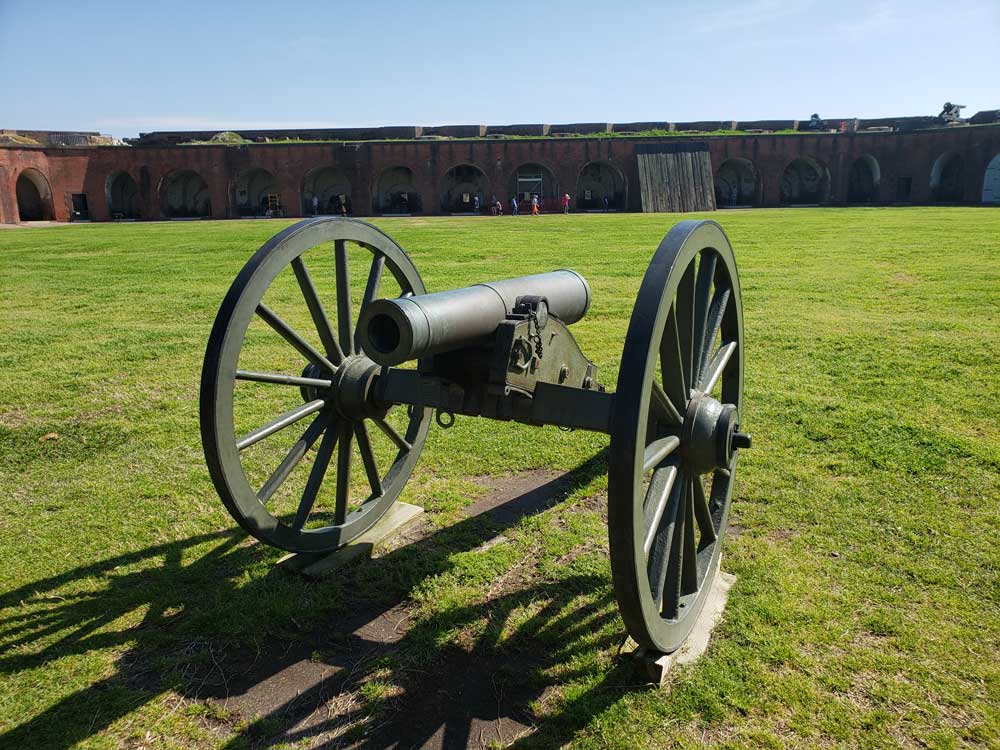
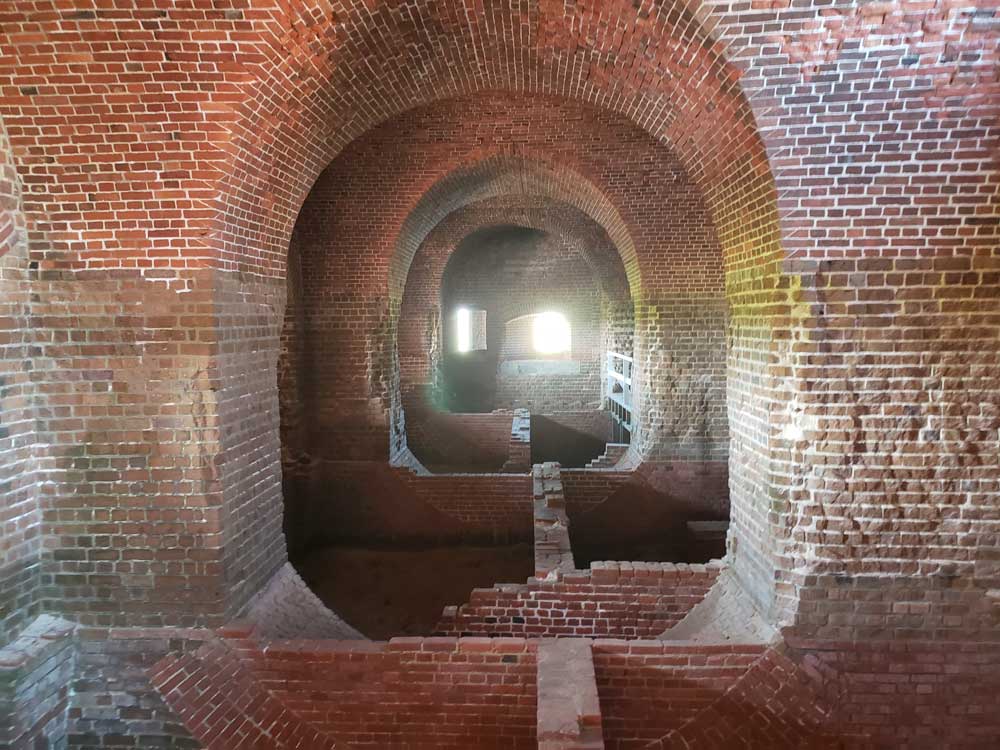
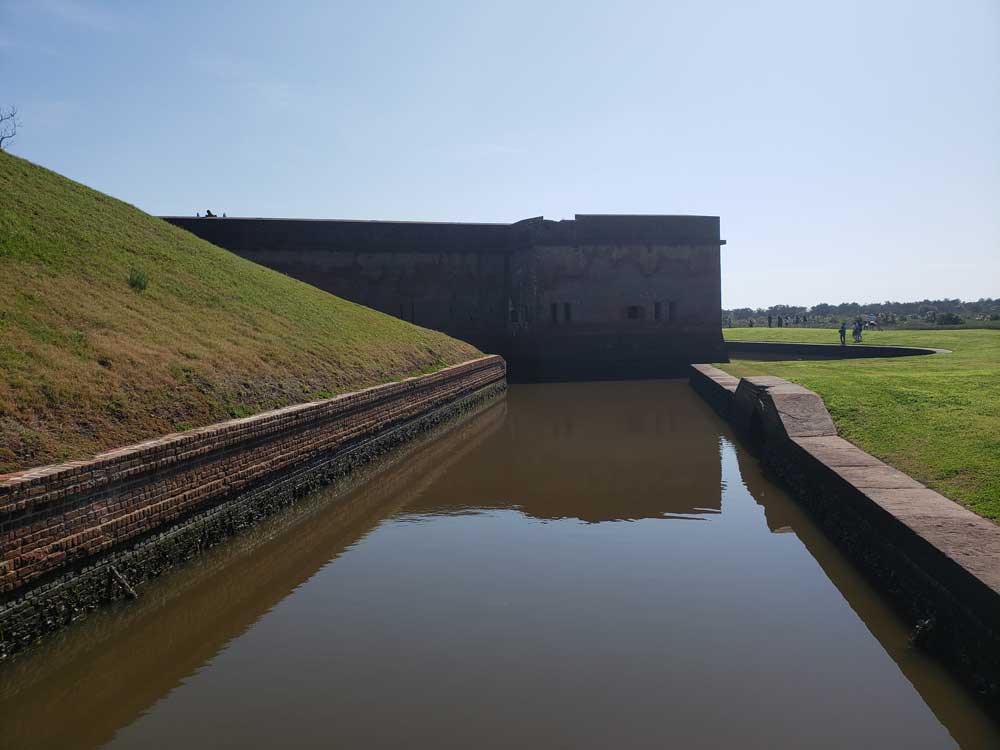
Visitors can walk through the fort's casemates, parade ground, moat, drawbridge, and ramparts while viewing exhibits that interpret military life, engineering, and Civil War history. Self-guided tours allow guests to experience the fort at their own pace and discover its many historic features.

Learn About Civil War History

Interpretive exhibits and programs explain the siege of Fort Pulaski, the role of Union and Confederate forces, and the significance of the battle in demonstrating the effectiveness of rifled cannon technology. The site also highlights the experiences of soldiers, prisoners of war, and formerly enslaved people who sought freedom during the conflict.

Experience Birdwatching and Wildlife Viewing

Located between Savannah and Tybee Island, the monument protects extensive salt marshes, tidal creeks, and coastal habitats. Visitors can observe a variety of bird species, including herons, egrets, ospreys, and migratory birds, while enjoying the natural beauty of Georgia's coast.

Bike and Walk Through Scenic Coastal Landscapes

Fort Pulaski offers opportunities for cycling, walking, photography, fishing, and nature observation. Scenic trails and causeways provide beautiful views of marshlands and waterways that surround the historic fort.

Top Trails

McQueens Island Trail

Length: Approximately 6 miles one way
Elevation Gain: Minimal
Difficulty: Easy

This popular multi-use trail follows a former railroad corridor across scenic coastal marshes. The trail provides exceptional opportunities for birdwatching, cycling, walking, and photography while offering expansive views of the surrounding estuary.

North Pier Trail

Length: Approximately 1 mile round trip
Elevation Gain: Minimal
Difficulty: Easy

This short trail leads through coastal habitats to a fishing pier overlooking tidal waterways. Along the route, visitors can enjoy views of marshes, wildlife, and the dynamic ecosystems that make Georgia's coast unique.

Fort Pulaski Historic Grounds Walk

Length: Variable distances available
Elevation Gain: Minimal
Difficulty: Easy

Visitors can explore the historic fort grounds via paved and accessible walkways that connect the visitor center, drawbridge, moat, ramparts, and interior exhibits. The route provides an excellent overview of the monument's military history and engineering significance.

Sources: National Park Service official Fort Pulaski National Monument information, including details about the Civil War siege, fort architecture, visitor exhibits, historic preservation, wildlife viewing, and recreational opportunities. https://www.nps.gov/fopu> Additional trail and visitor information verified through National Park Service resources for McQueens Island Trail, North Pier Trail, and monument visitor activities. https://www.nps.gov/fopu/planyourvisit

After the War of 1812, US President James Madison ordered a new system of coastal fortifications to protect the United States from a foreign invasion. Construction of a fort to protect the port of Savannah began in 1829 under the direction of Major General Babcock and later Second Lieutenant Robert E. Lee, a recent graduate of West Point. The new fort would be on Cockspur Island, at the mouth of the Savannah River. In 1833, the facility was named Fort Pulaski in honor of Casimir Pulaski, a Polish soldier and military commander who fought during the American Revolution under the command of George Washington. Pulaski was a noted cavalryman, played a large role in training Revolutionary troops, and took part in sieges at Charleston and Savannah.

Fort Pulaski belonged to what is known as the Third System of coastal fortifications, which were characterized by greater structural durability than the earlier works. Most of the nearly 30 Third System forts built after 1816 still exist along the Atlantic and the Gulf Coasts.

Fort Pulaski was opened to the public only for a short time before the beginning of World War II, which would see further use of Cockspur Island as a section base for the US Navy. After the war, Fort Pulaski reverted to the control of the Park Service and was administratively listed on the National Register of Historic Places on October 15, 1966.

Fort Pulaski remains open to the public, with a museum opened in the 1980s.

This article uses material from the Wikipedia article "Fort Pulaski National Monument", which is released under the Creative Commons Attribution-Share-Alike License 3.0

ft-pulaski-corner
ft-pulaski-cannon

t-pulaski-inside-walls
ft-pulaski-second-trench

ft-pulaski-trench
ft-pulaski-wall