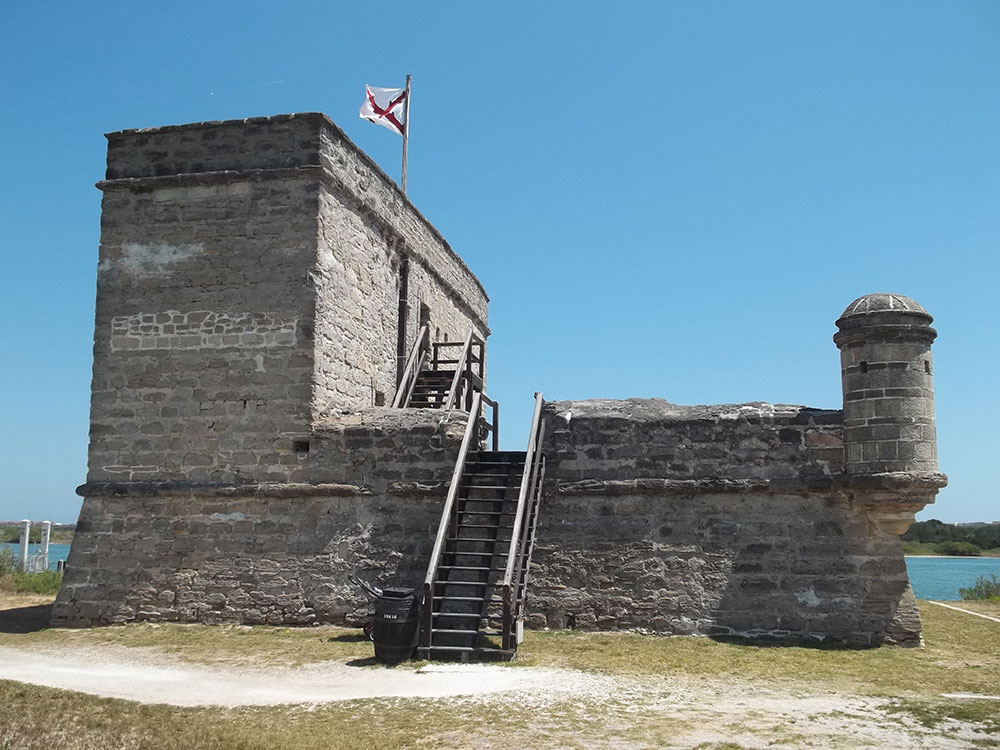
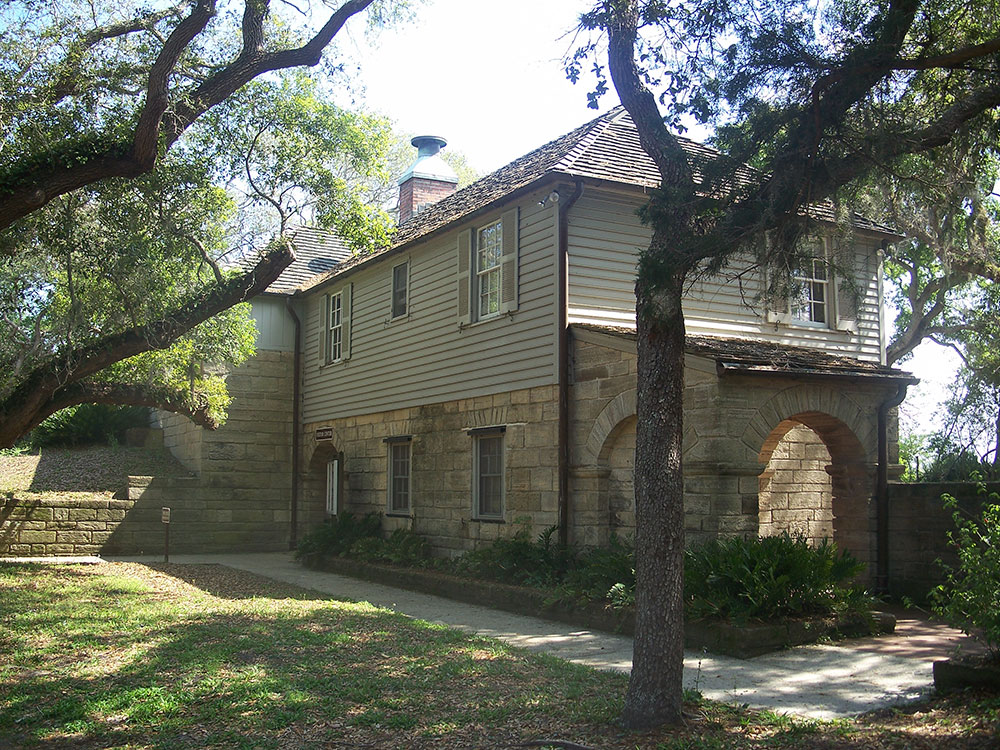
A reconstructed colonial-era fort and museum preserving the story of the first legally sanctioned free African settlement in what became the United States, surrounded by coastal marshes, boardwalks, and wildlife viewing areas.
General Information
- Hours:
- Grounds: Daily, 9am to 5pm
Visitor Center/Museum: Thursday to Monday, 9am to 5pm
Visitor Center/Museum closed Tuesday and Wednesday
Guided fort tours typically offered at 10am and 1pm - Fees:
-
Park grounds: Free
Visitor Center/Museum admission: $2 per adult
Children under 6: Free - Pet Policy:
- Leashed pets are allowed in outdoor areas and on park grounds; pets are not permitted inside buildings.
- Closest cities with hotels:
- St. Augustine
- Seasons:
- All year; October through April offers the most comfortable temperatures for outdoor exploration and wildlife viewing.
- Location:
- 15 Fort Mose Trail, St. Augustine, FL 32084
- Website:
- floridastateparks.org
How to Get There
From St. Augustine: Take US-1 North from downtown St. Augustine, turn left onto Fort Mose Trail, and continue a short distance to the entrance at 15 Fort Mose Trail.
Overview
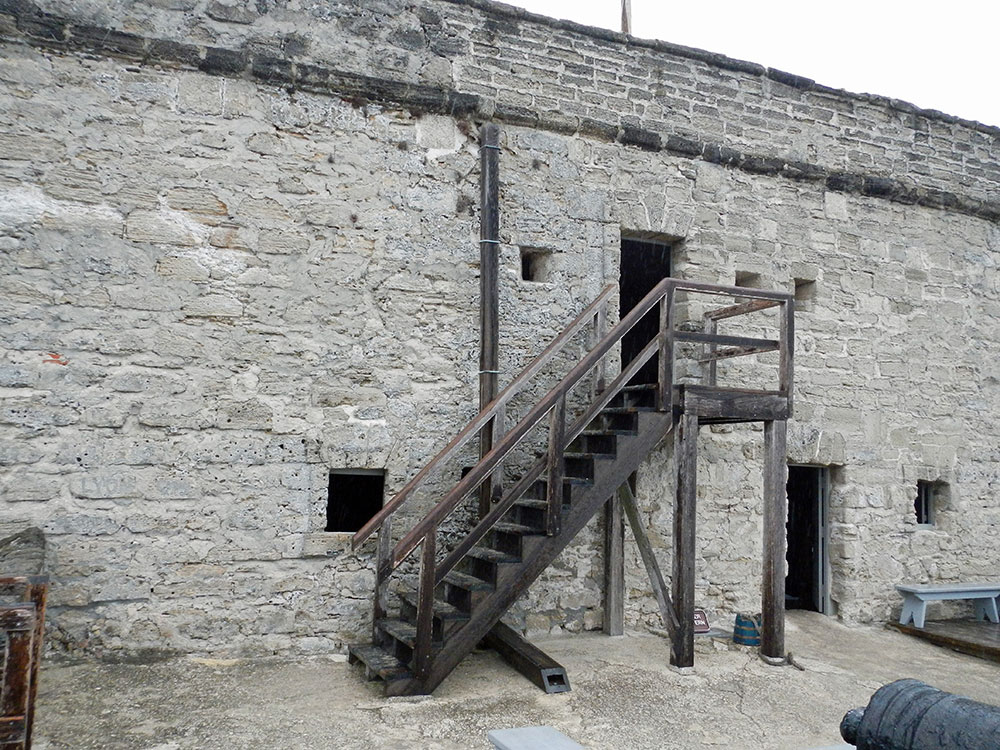
Fort Mose Historic State Park preserves the site of Gracia Real de Santa Teresa de Mose, founded in 1738 under Spanish rule as the first legally sanctioned free Black community in what is now the United States. People who escaped slavery in the British colonies could find freedom here by converting to Catholicism and serving the Spanish crown, and Fort Mose's militia helped defend St. Augustine. The park is a National Historic Landmark with a museum, a boardwalk over the salt marsh, and an interpreted site of the fort. Visitors come for the history and for the views of the marsh and the Tolomato River.
Access
The park is about 2 miles north of the historic district of St. Augustine, off US-1 on Fort Mose Trail. Visitors drive from I-95 using Exit 318 and follow signs. Parking is free, and the roads are paved. There is no public transportation to the park.
Seasons
The park is open every day of the year, and the museum is open Thursday through Monday. October through April brings the most comfortable temperatures. Summers are hot and humid, with mosquitoes and afternoon storms. The marsh is most active with birds in winter, when migratory ducks and waders pass through.
Things to Do
Visit the Museum
Exhibits explain how Fort Mose was founded, who lived here and why it matters in the history of freedom in North America.
Walk the Marsh Boardwalk
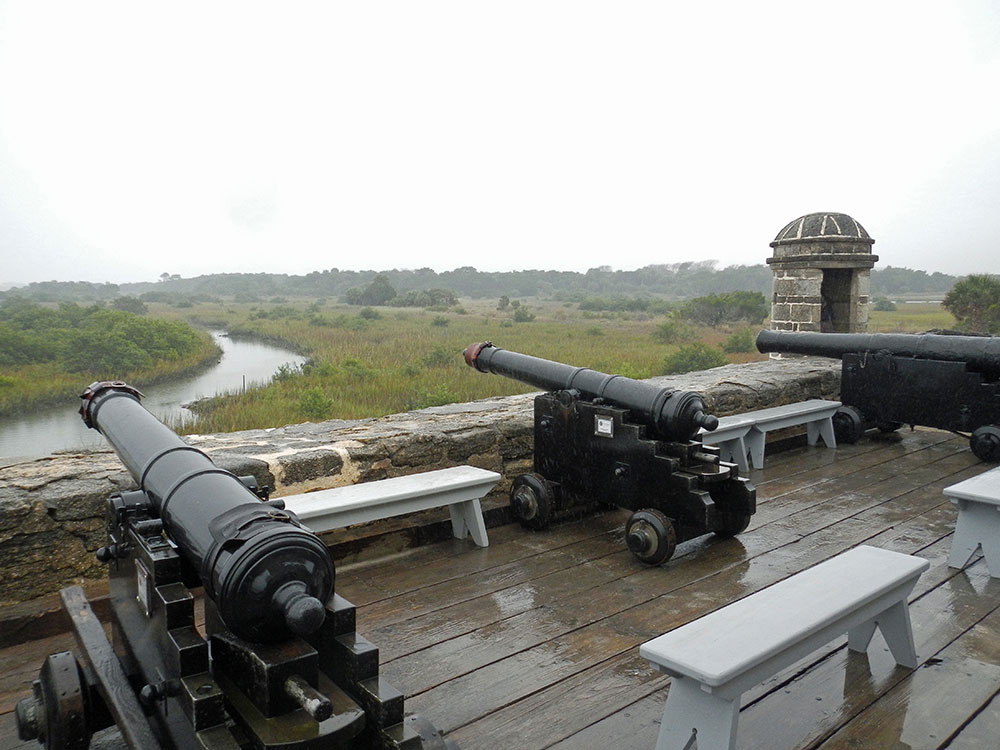
Boardwalks cross the salt marsh and lead to views of the Tolomato River and the site of the fort.
Join a Guided Tour
Ranger and volunteer programs describe the community of Mose and the colonial conflicts of the 1700s.
Watch Wildlife
Egrets, herons, ospreys, fiddler crabs and dolphins in the river live in the surrounding coastal marshes.
Explore Historic St. Augustine
The Castillo de San Marcos and the old town are a few minutes south.
Top Trails
Fort Mose Boardwalk
Length: Approximately 0.3 miles round trip
Elevation Gain: Minimal
Difficulty: Easy
A boardwalk with interpretive panels crosses the salt marsh to the fort site and a river overlook.
Fort Mose Trail
Length: Approximately 0.5 miles round trip
Elevation Gain: Minimal
Difficulty: Easy
A short walk from the museum to the boardwalk along the marsh edge.
Visitor Centers
The Fort Mose Visitor Center and museum is open Thursday through Monday from 9 a.m. to 5 p.m. It has exhibits, a film, a gift shop and staff who give out maps and answer questions. The grounds are free, and the museum charges a small admission fee.
Camping and Lodging
There is no camping or lodging at the park. Camping is available at Anastasia State Park, about 20 minutes east in St. Augustine Beach, and at Faver-Dykes State Park, about 20 minutes south. Hotels, inns and bed-and-breakfasts are in St. Augustine, and Jacksonville and Daytona Beach are each about an hour away.
This article uses material from the Wikipedia articles and official tourism pages for Fort Mose Historic State Park, which are released under the Creative Commons Attribution-Share-Alike License 3.0. Additional information from Florida State Parks.