Preserved 18th-century Spanish masonry fort accessible by ferry and surrounded by salt marshes, beaches, nature trails, and coastal habitats.
General Information
- Hours:
- Visitor Center and grounds open daily
Ferry service to the fort operates on a limited schedule and may be suspended due to weather; no ferry service on Tuesdays and Wednesdays - Fees:
- Free admission
Free ferry transportation to the fort - Pet Policy:
- Pets on a leash no longer than 6 feet are allowed on the grounds, beach, and trails but are not permitted in the visitor center, on the ferry, or inside the fort
- Closest cities with hotels:
- St. Augustine (14 mi)
- Seasons:
- All year
- Location:
- 8635 A1A South, St. Augustine, FL 32080
- Website:
- nps.gov/foma
How to Get There
From St. Augustine (14 mi): Take A1A South along the coast for approximately 14 miles to the visitor center and ferry landing at Fort Matanzas National Monument.
Overview
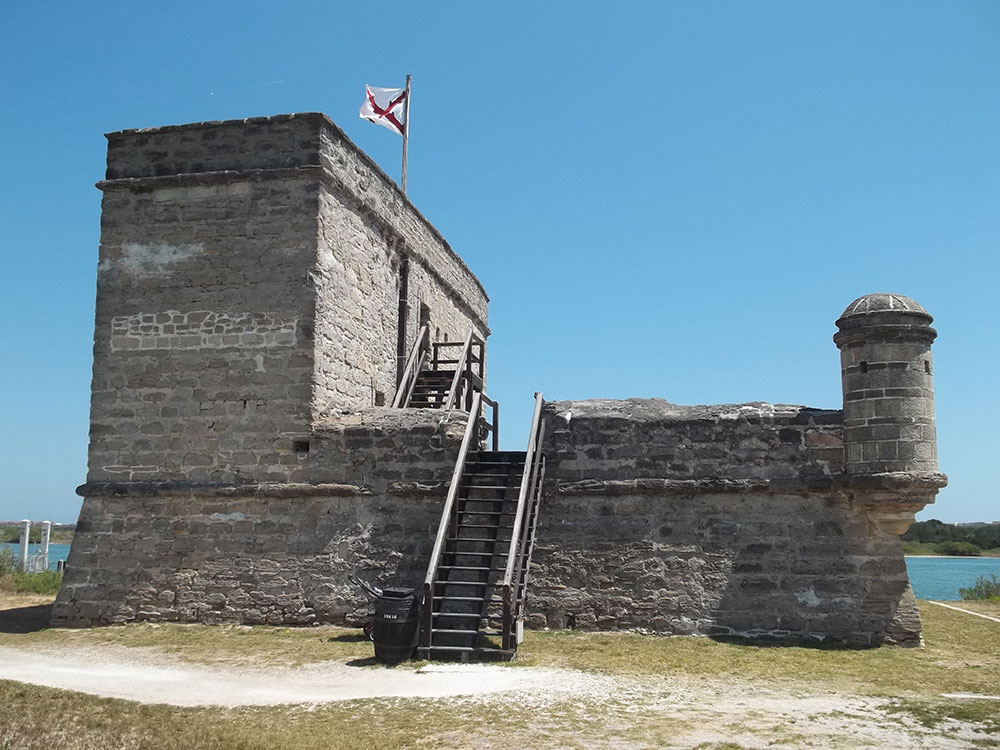
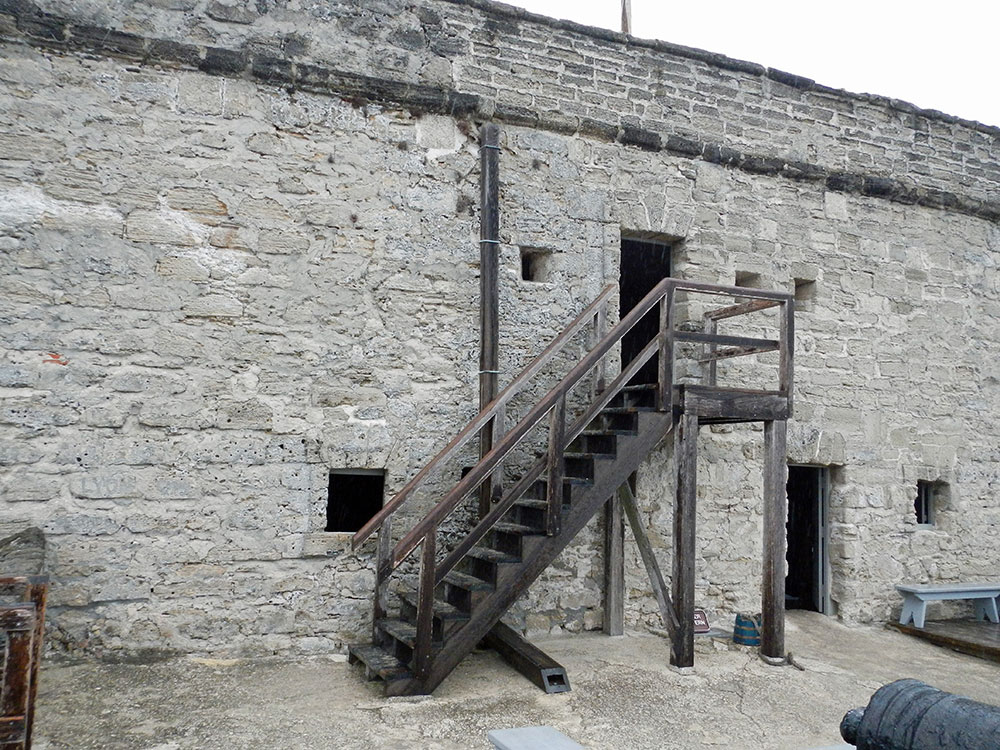
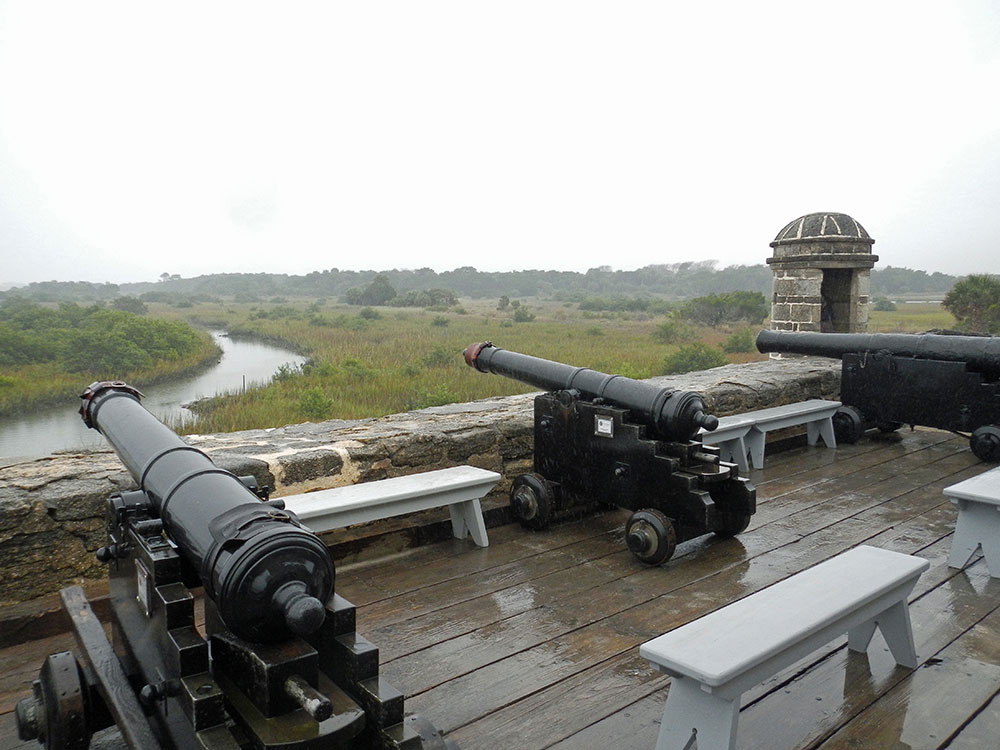
Fort Matanzas National Monument preserves a small Spanish coquina watchtower and about 300 acres of salt marsh, barrier island and coastal hammock on the Matanzas River south of St. Augustine, managed by the National Park Service together with Castillo de San Marcos. Spain built the fort in 1740-1742 to guard Matanzas Inlet, a back door to St. Augustine, after British Governor James Oglethorpe used it to blockade the city in 1740. It fired on an enemy only once and fell into ruin after Spain left Florida; it was restored and declared a national monument in 1924. The inlet is named for the 1565 matanzas (slaughters), when Spaniards killed Jean Ribault and his Huguenot French band. Visitors come for the free boat ride to the fort on Rattlesnake Island, a boardwalk nature trail and quiet river and beach scenery.
Access
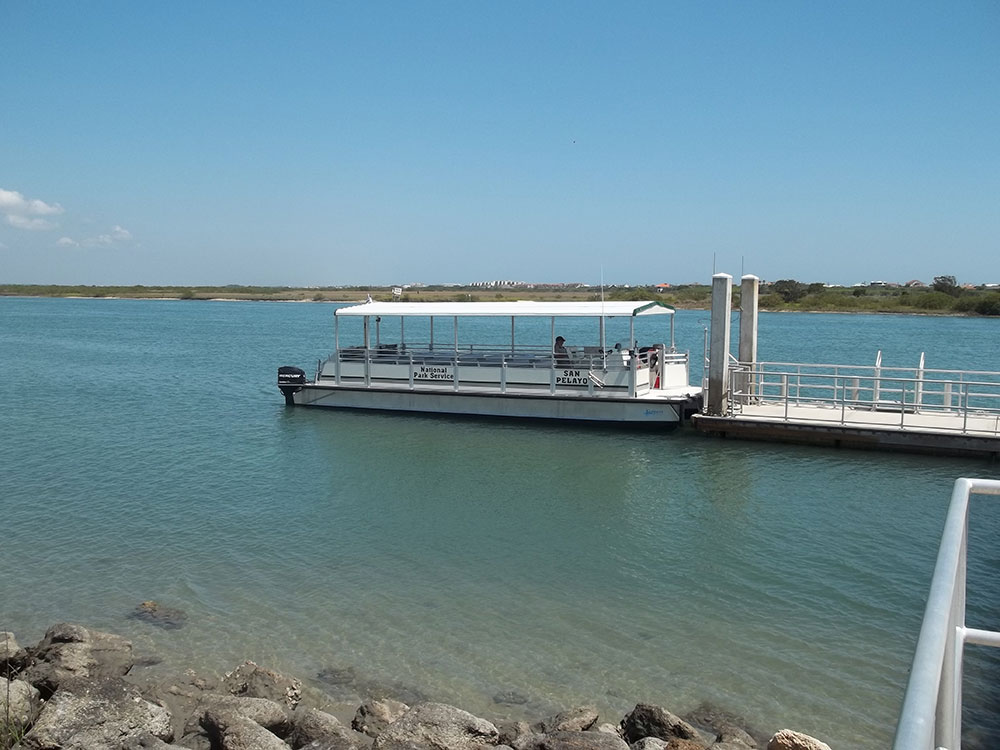
The visitor center is at 8635 A1A South, about 14 miles south of St. Augustine on Anastasia Island, reached by driving south on the coastal A1A highway. The fort itself is on Rattlesnake Island and can be reached only by the park ferry, which leaves from a dock near the visitor center. Boarding passes are free but must be picked up in person at the visitor center on the day of travel, are first come, first served, and often run out before late morning. There is no ferry on Tuesdays and Wednesdays. Parking is limited, so carpooling is encouraged, and food and drink are not allowed on the boat or at the fort, so bring water for the rest of your visit.
Seasons
The monument is open year-round except on Thanksgiving Day and Christmas Day. Summers are hot and humid with frequent afternoon thunderstorms, and the ferry may be cancelled without notice for lightning or high winds. The fort is also closed to visitors during thunderstorms. Hurricane season runs from June through November. Fall and spring are the most pleasant times for the boardwalk and fort, with temperatures often in the 70s and low 80s Fahrenheit, while winters are generally cool to mild.
Visiting
- Ferry to the fort: a short ride from the visitor center to Rattlesnake Island, then a ranger-led walk through the tower
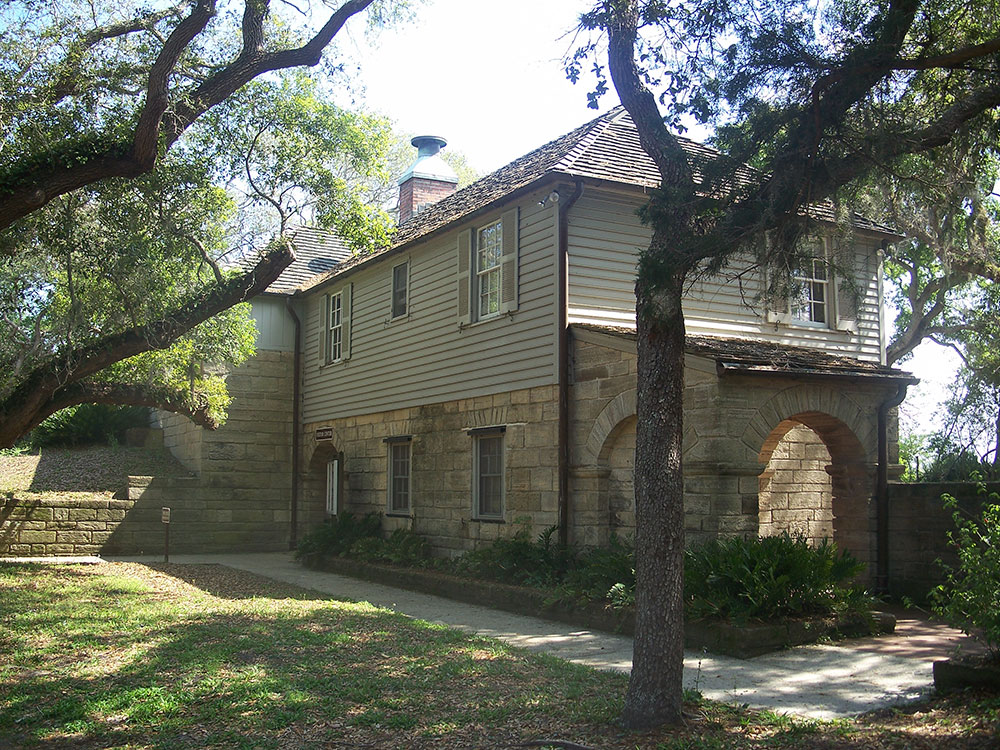
- Visitor center: a 1936 National Park Service Rustic building (National Register of Historic Places, 2008) with a small museum
- Trails: nature trails through coastal hammock and salt marsh near the visitor center
Visitor Centers
The Fort Matanzas Visitor Center is a 1936 National Park Service Rustic-style building on the National Register of Historic Places. It has a small museum on the fort and the area, and it is where visitors pick up the free ferry boarding passes. It is open daily from 9:00 AM to 5:30 PM except on Thanksgiving Day and Christmas Day, and rangers can describe the ferry schedule and current conditions.
Camping and Lodging
There is no camping or lodging in the monument. Anastasia State Park on Anastasia Island has a campground within a short drive. Hotels, inns and vacation rentals are available in St. Augustine and St. Augustine Beach to the north and in Crescent Beach, Flagler Beach and Palm Coast to the south, all within about an hour.
This article uses material from the Wikipedia article "Fort Matanzas National Monument", which is released under the Creative Commons Attribution-Share-Alike License 3.0. Additional information from National Park Service.