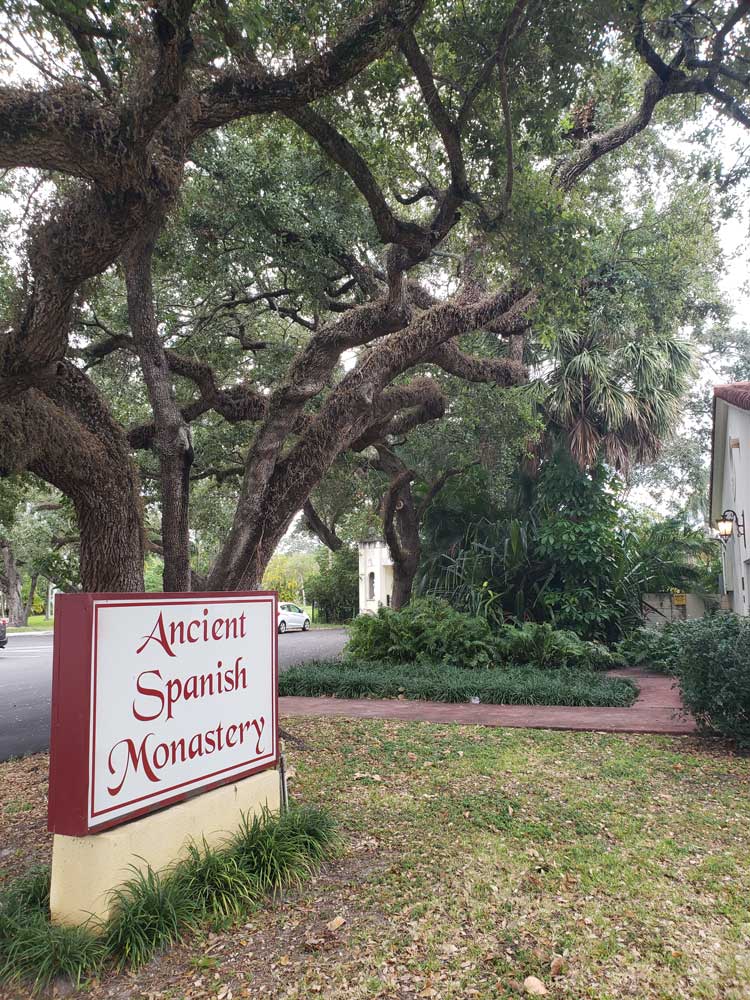
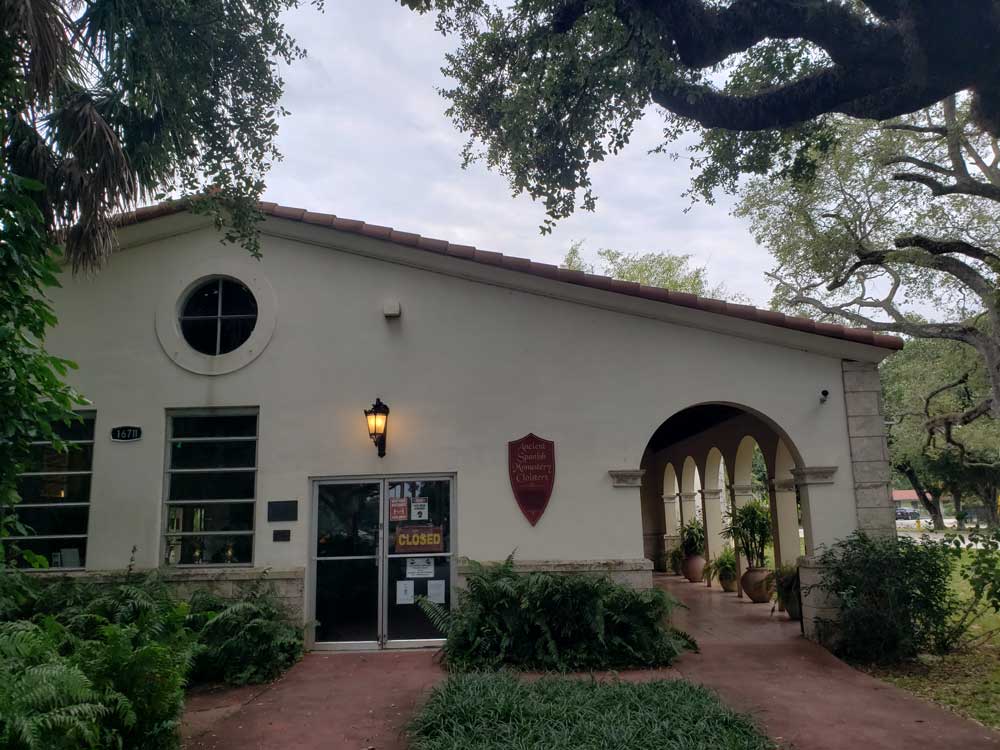
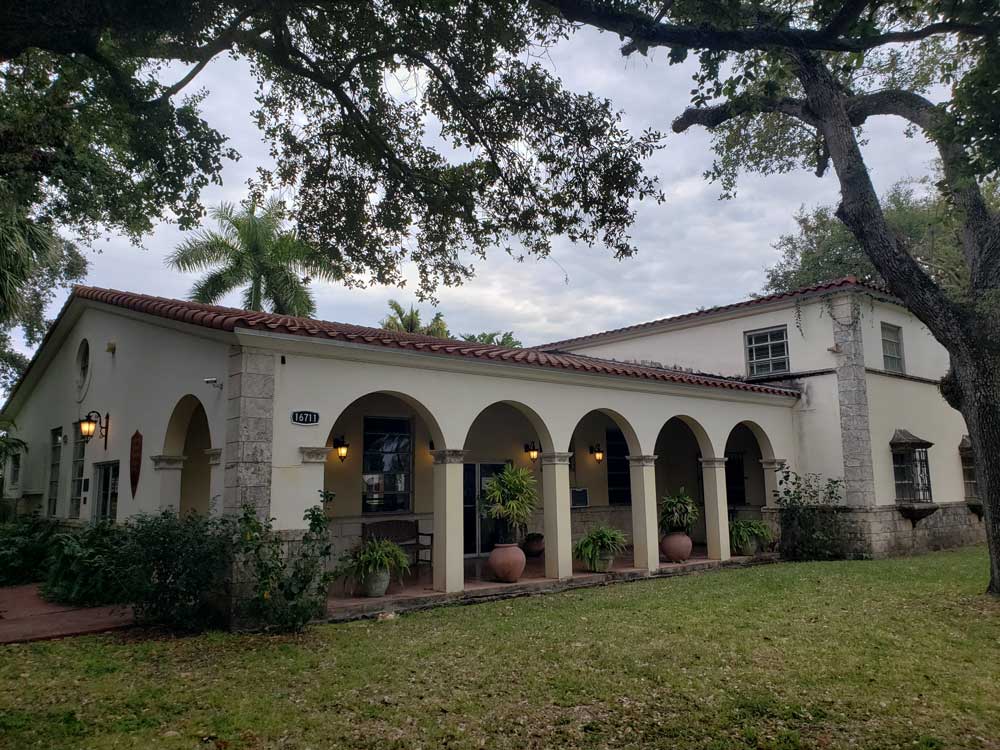
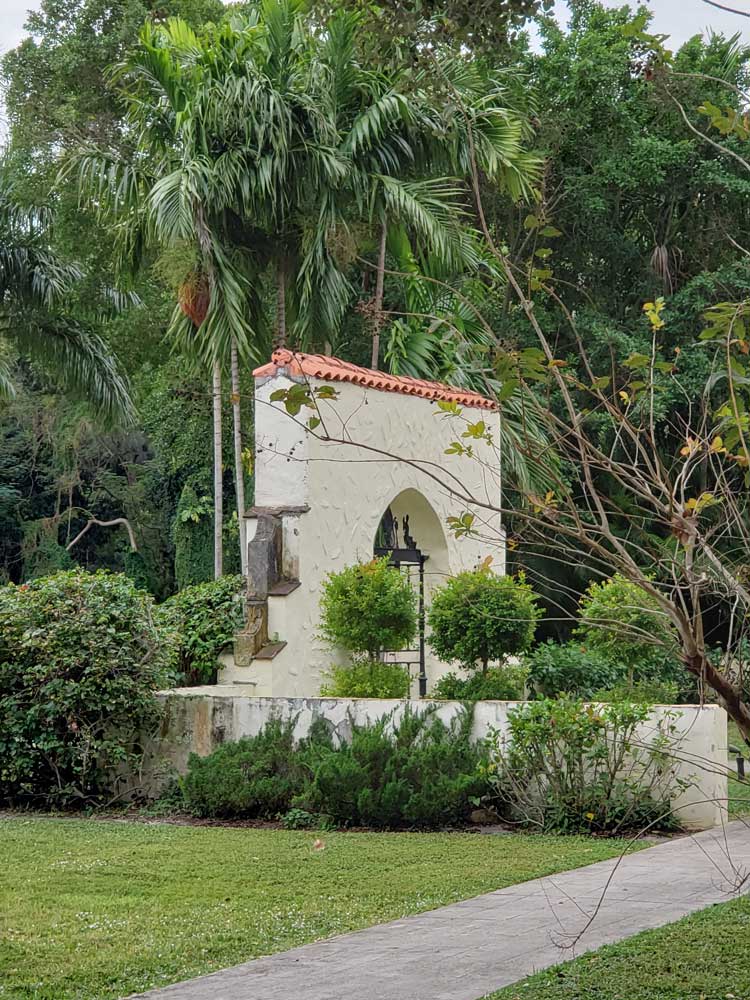
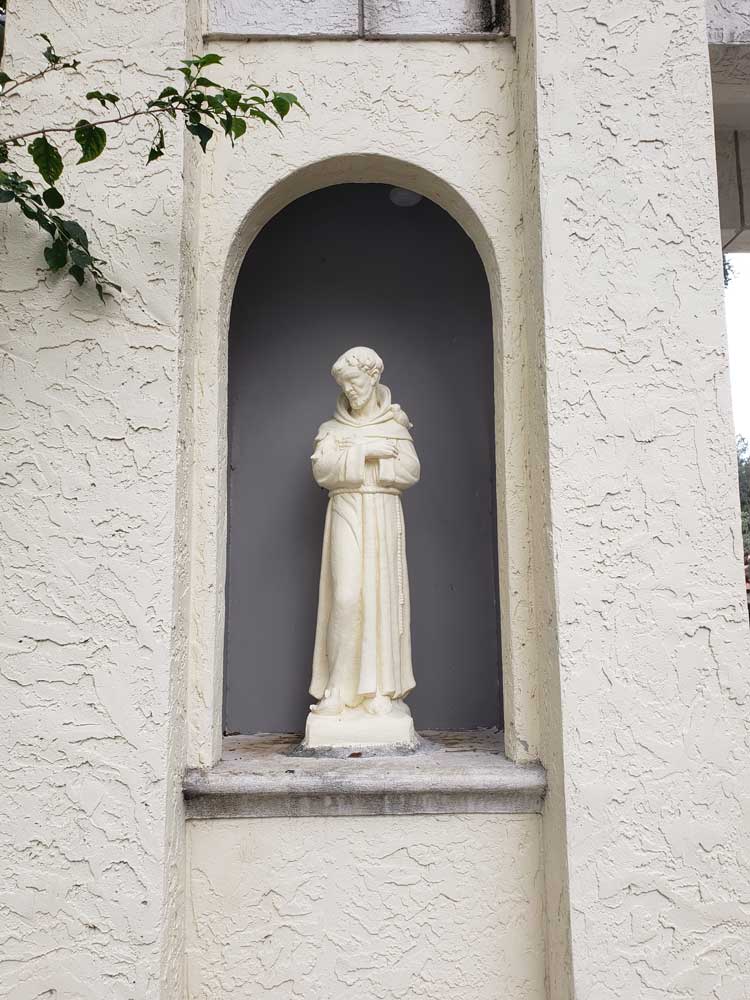
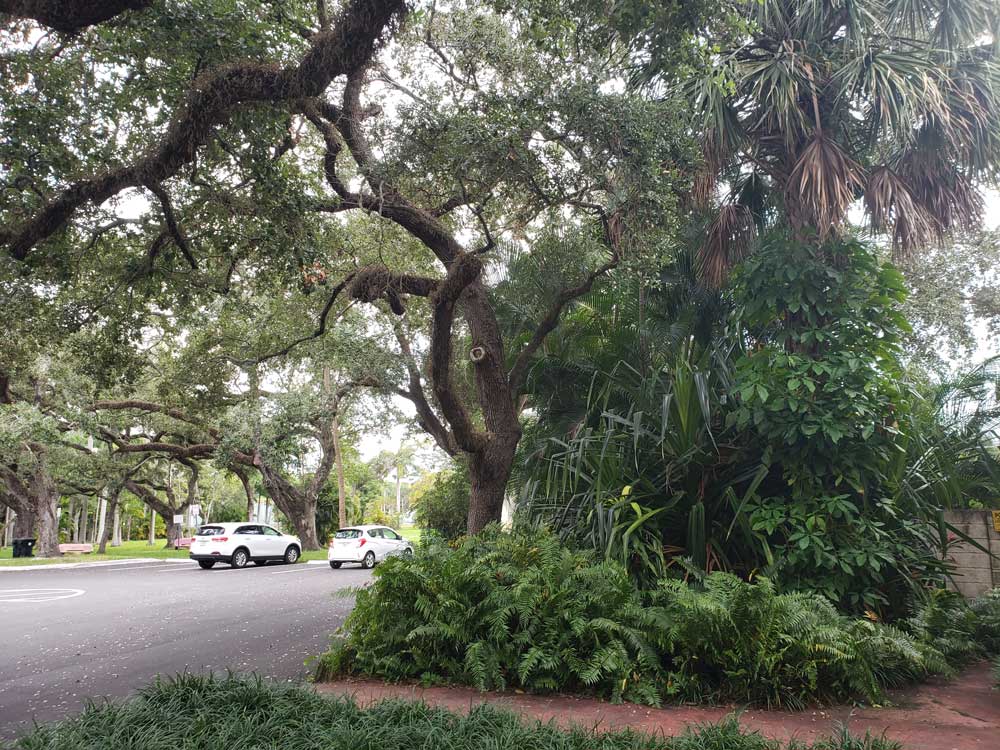
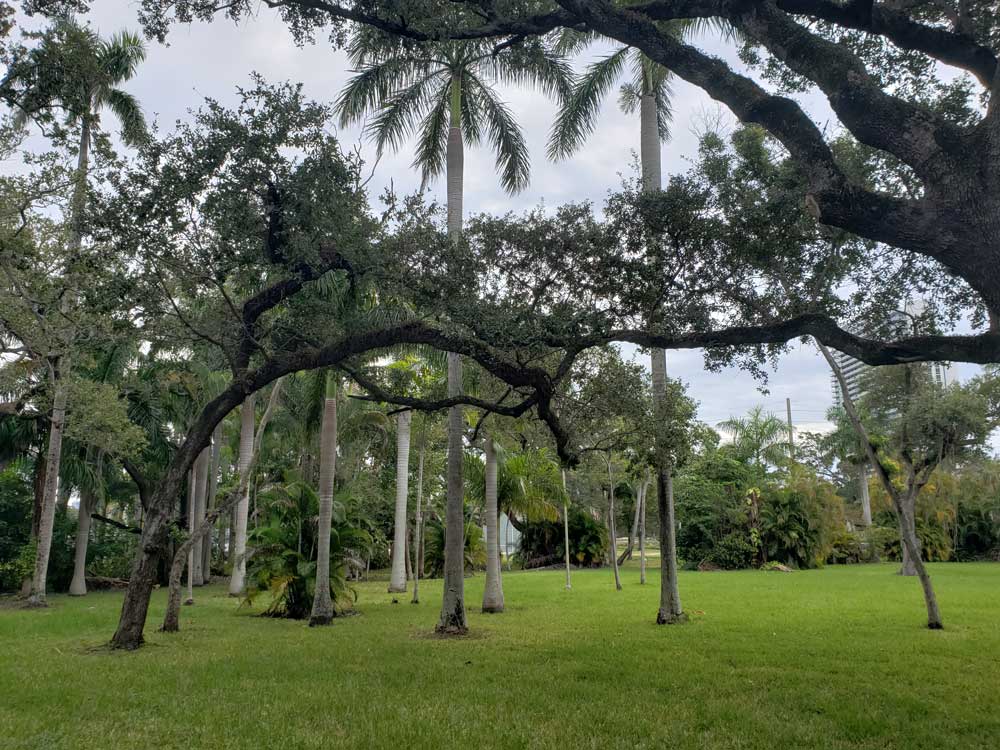
Medieval Spanish monastery cloister which was built in the town of Sacramenia in Segovia, Spain, in the 12th century but dismantled in the 20th century and reassembled in North Miami Beach.
General Information
- Hours:
- 24/7
- Fees:
- No fees
- Pet Policy:
- Pets allowed
- Seasons:
- All year
How to Get There
Get on I-95 N from S Miami Ave. Continue on I-95 N. Take I-95 Express to FL-826 E in Golden Glades. Take exit 12B from I-95 N. Continue on FL-826 E to your destination in North Miami Beach.
Overview
St. Bernard de Clairvaux Church, also known as the Ancient Spanish Monastery, is a 12th-century Cistercian cloister built in Sacramenia, Spain — dismantled stone by stone in the 1920s and shipped across the Atlantic to become a working Episcopal church and tourist attraction in North Miami Beach.
History
The monastery was built between 1133 and 1141 and served as a working Cistercian monastery for nearly 700 years before being seized and repurposed as a granary and stable in the 1830s. In 1926, William Randolph Hearst bought the cloister and had it dismantled into 11,000 numbered crates for shipment to the U.S., intending to rebuild it at his California estate. A hoof-and-mouth disease quarantine forced customs officials to open and repack the crates, scrambling much of the original numbering, and Hearst's financial troubles left the stones sitting in a Brooklyn warehouse for over 25 years. In 1952, two investors bought the crates, shipped them to Miami, and spent 19 months and roughly $1.5 million piecing the monastery back together on the site of a plant nursery — creating the attraction known today as the Ancient Spanish Monastery.
This article uses material from the Wikipedia article "St. Bernard de Clairvaux Church", which is released under the Creative Commons Attribution-Share-Alike License 3.0