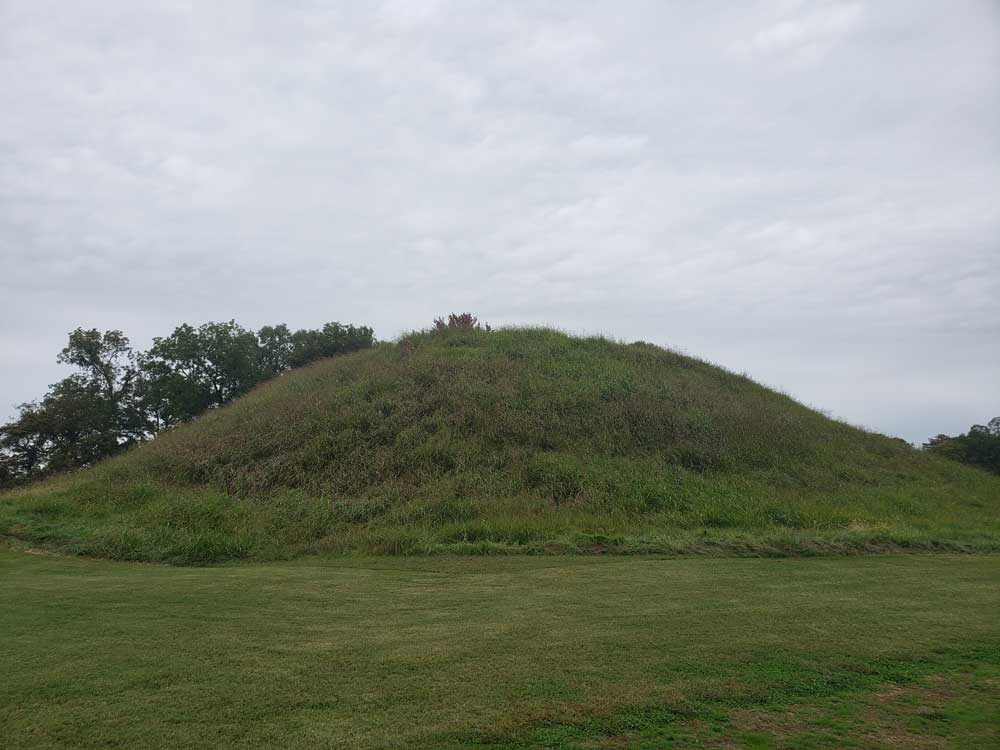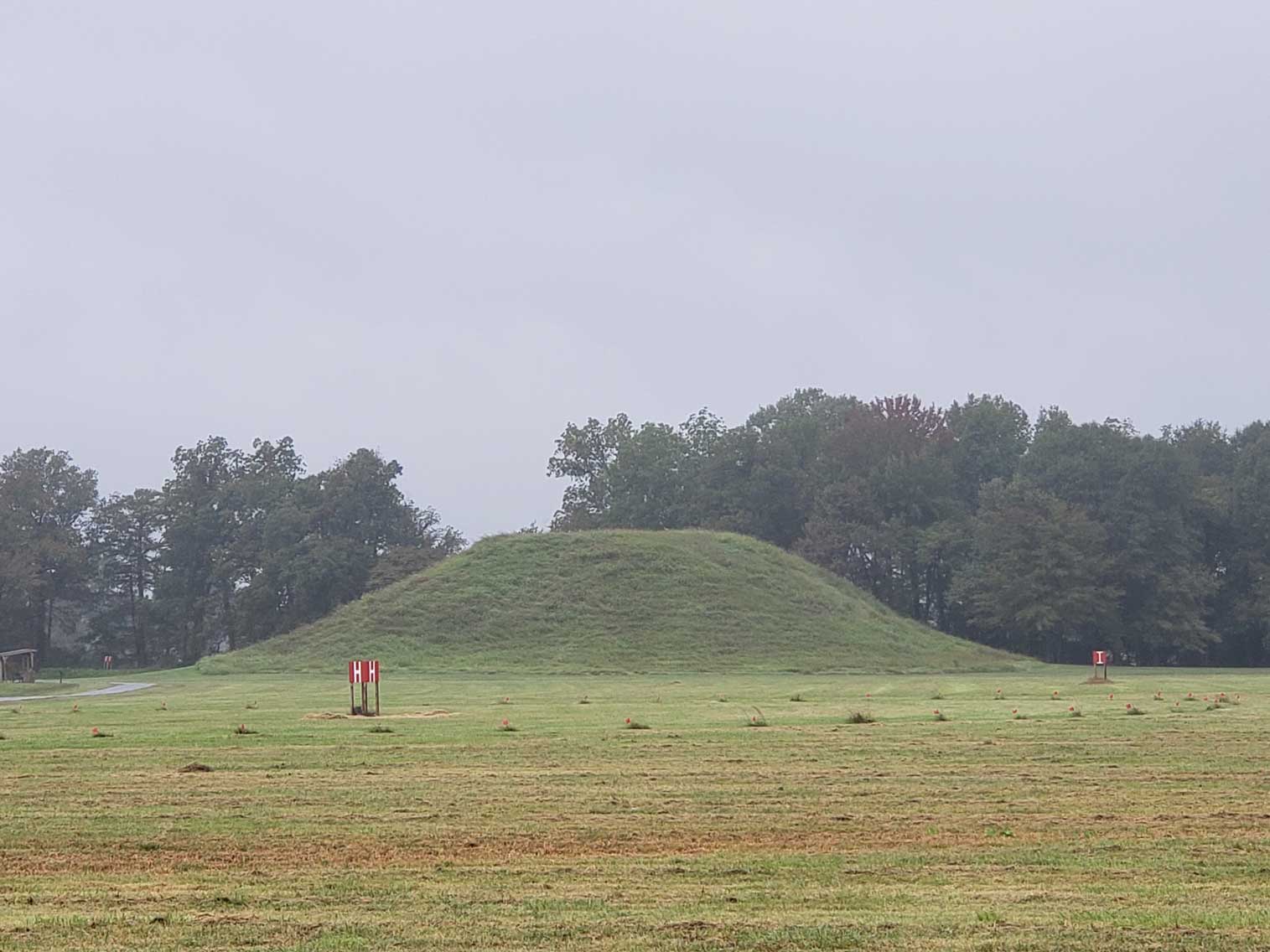
Ancient earthen ceremonial and residential mounds preserve the remains of a prehistoric Native American culture that flourished for centuries along a fertile river valley.
Open year-round
How to Get There
From Little Rock (30 mi): Take I-440 east to US-165 north, continue toward Scott, then follow Toltec Mounds Road and park signs to the entrance.
Overview
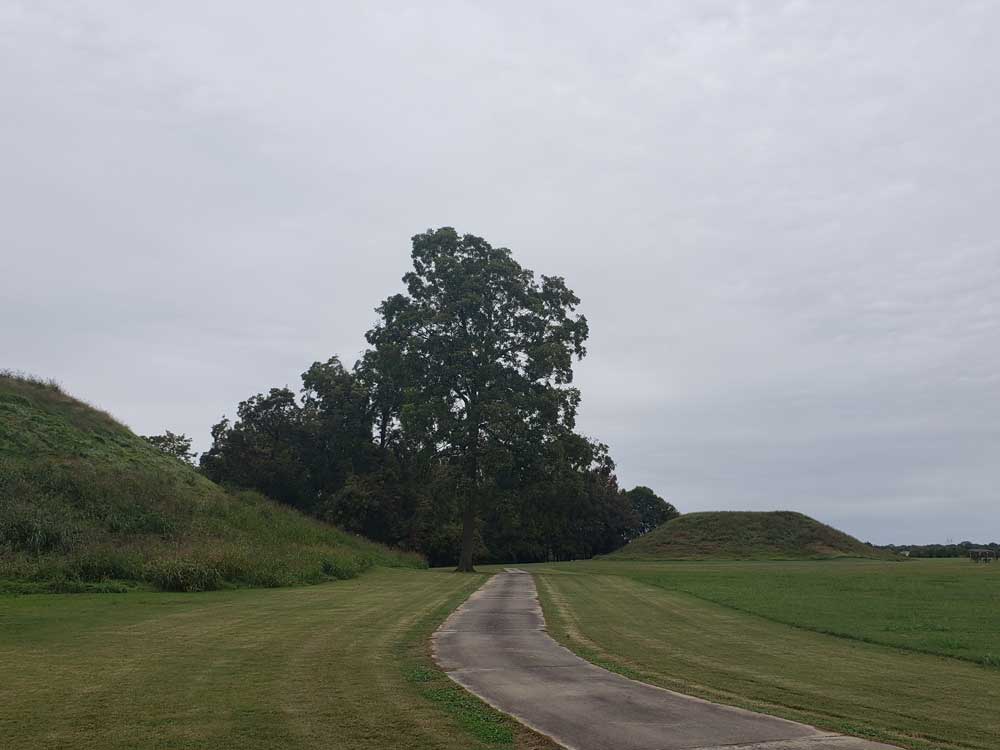
The Plum Bayou Mounds Archeological State Park preserves one of the most significant prehistoric archaeological sites in the lower Mississippi River Valley. Built between approximately A.D. 650 and 1050 by the Plum Bayou culture, the site contains an impressive complex of earthen mounds connected by a carefully planned system of plazas and embankments. Archaeological evidence suggests that the area served as an important ceremonial, political, and social center where large gatherings and community events took place centuries before European contact.
Today, visitors can explore walking trails that wind through a landscape of preserved mounds, wetlands, and native vegetation while learning about the people who constructed these monumental earthworks using simple tools and remarkable engineering skills. The visitor center features exhibits, artifacts, and educational displays that interpret the history and culture of the region's early inhabitants. Together, the archaeological remains and natural surroundings provide a fascinating glimpse into a sophisticated prehistoric society whose achievements continue to intrigue researchers and visitors alike.
Things to Do
Explore the Ancient Native American Mounds
Plum Bayou Mounds Archeological State Park preserves the remains of a prehistoric ceremonial and civic center built by the Plum Bayou culture between approximately A.D. 650 and 1050. Visitors can view several large earthen mounds and learn about the people who constructed this important archaeological site centuries before European settlement.
Learn About Arkansas Prehistory
Interpretive exhibits and educational displays explain the history, culture, and engineering achievements of the Plum Bayou people. Visitors can discover how the mounds were used for ceremonies, community gatherings, and other important aspects of daily life.
Enjoy Wildlife Viewing and Nature Observation
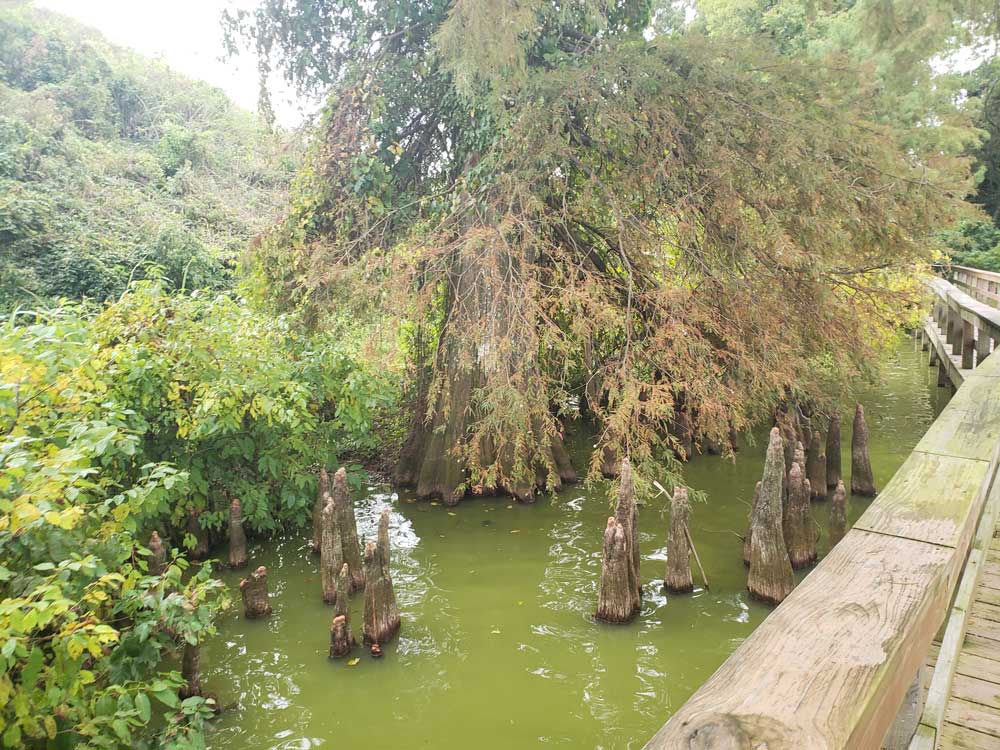
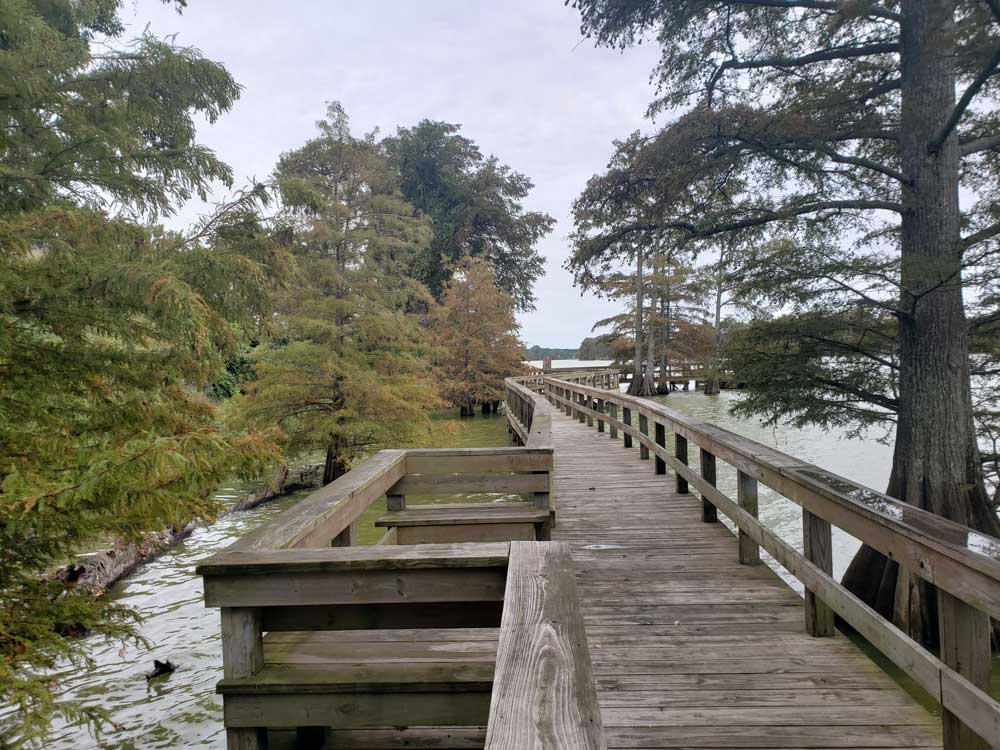
The park's preserved landscape includes wetlands, forests, and open spaces that provide habitat for a variety of birds and wildlife. Walking the grounds offers opportunities for photography, birdwatching, and appreciating the natural environment surrounding the archaeological site.
Top Trails
Mounds Walking Trail
Length: Approximately 0.8 miles round trip
Elevation Gain: Minimal
Difficulty: Easy
This interpretive trail provides access to several of the site's earthen mounds and includes exhibits explaining the history, archaeology, and significance of the Plum Bayou culture.
Archaeological Site Loop
Length: Approximately 1.5 miles round trip
Elevation Gain: Minimal
Difficulty: Easy
Visitors can follow a series of paths around the archaeological complex to view multiple mounds, learn about ongoing research, and gain a better understanding of the scale and importance of this prehistoric settlement.
Sources: Arkansas State Parks official Plum Bayou Mounds Archeological State Park information, including archaeological resources, mound history, interpretive exhibits, educational programs, and visitor amenities. https://www.arkansasstateparks.com/parks/plum-bayou-mounds-archeological-state-park Additional archaeological and visitor information verified through Arkansas State Parks interpretive resources and park guides. https://www.arkansasstateparks.com/parks/plum-bayou-mounds-archeological-state-park/visitor-guide
This article uses material from the Wikipedia articles and official tourism pages for the Plum Bayou Mounds Archeological State Park, which are released under the Creative Commons Attribution-Share-Alike License 3.0.