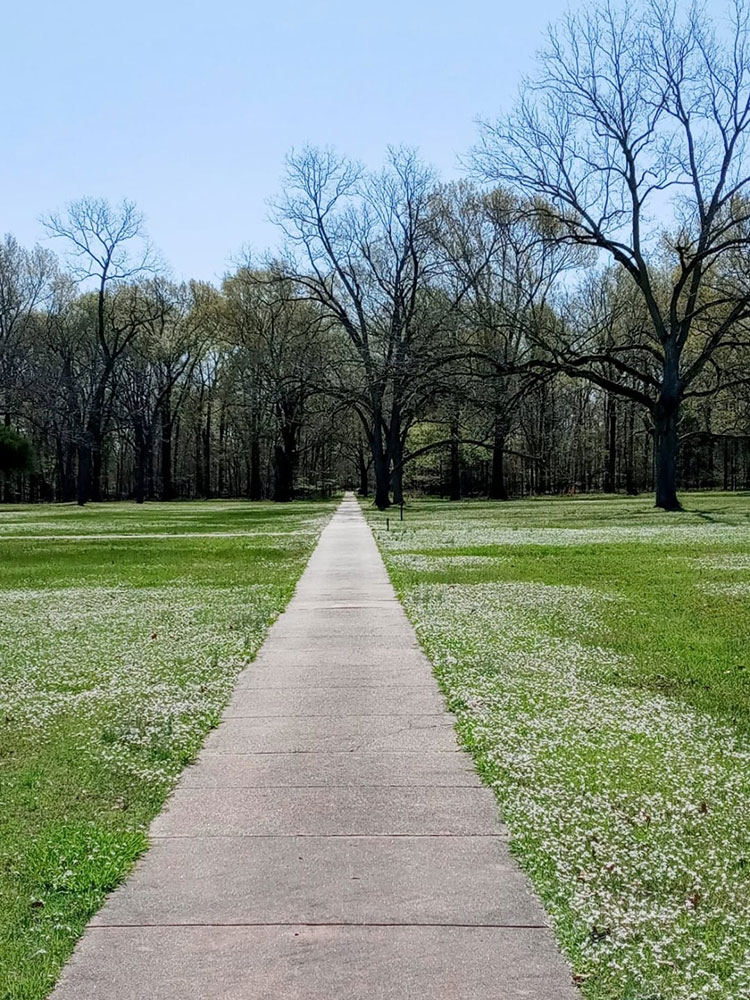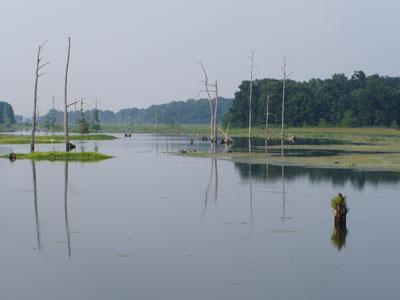

Historic park preserving the site of an early European settlement, frontier trading post, and Civil War battlefield with museum exhibits, walking trails, and cultural history displays.
General Information
- Hours:
- Park grounds: Daily, 7:00am to sunset
Visitor Center: Thursday through Monday, 8:30am to 5:00pm
Closed Thanksgiving Day, Christmas Day, and New Year's Day - Fees:
- Free admission
- Pet Policy:
- Pets are allowed on park trails and outdoor areas when kept on a hand-held leash at all times.
- Closest cities with hotels:
- Dumas, AR (about 20 mi)
- Seasons:
- All year; spring and fall offer the most comfortable temperatures for outdoor exploration.
- Location:
- 1741 Old Post Road, Gillett, AR 72055
- Website:
- nps.gov/arpo
How to Get There
From Dumas (20 mi): Take US-165 N from Dumas toward Gillett, then turn onto AR-169 and continue south to Old Post Road, following signs to the memorial entrance.
Overview
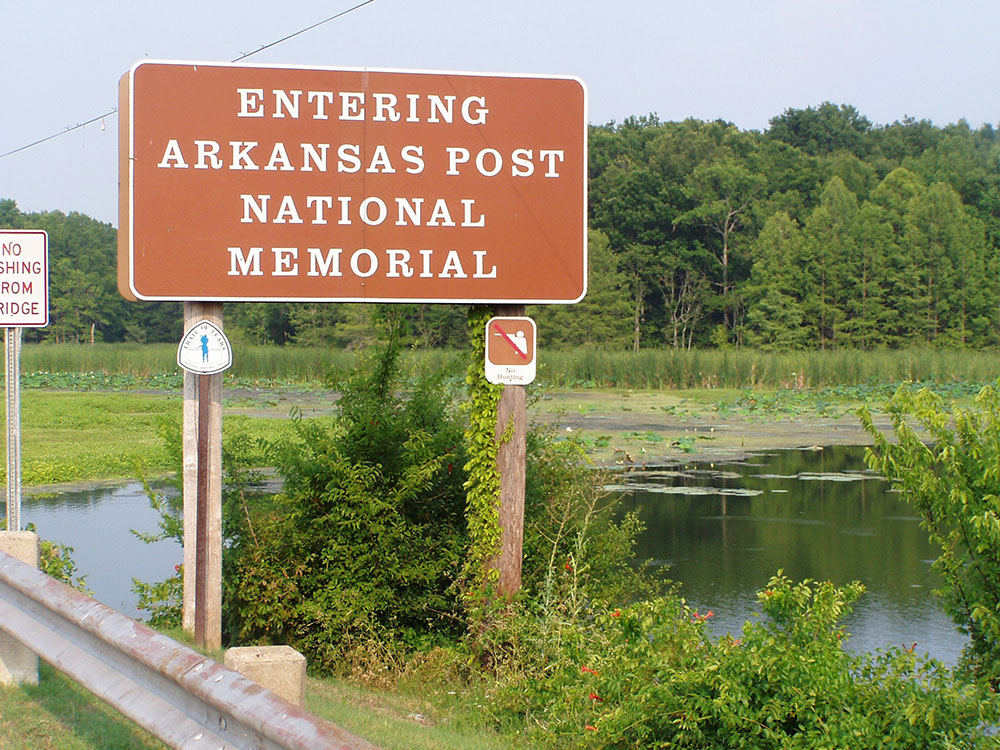
Arkansas Post National Memorial is a National Park Service site in southeastern Arkansas that preserves the location of the first European settlement in the lower Mississippi River Valley. Henri de Tonti established a French trading post here in 1686 among the Quapaw people, and the area later passed through Spanish rule, an American Revolutionary War skirmish in 1783, and the Louisiana Purchase of 1803. It served as the first capital of Arkansas Territory until the capital moved to Little Rock in 1821, and it was the site of a Union victory in the Civil War battle of January 1863. The land was first set aside as a state park in 1929, and about 758 acres became a National Memorial and National Historic Landmark in 1960. Visitors come to walk the bayou and forest trails, learn about the many cultures that shaped the site, and view the visitor center exhibits.
Access
The memorial is in the Arkansas Delta near the town of Gillett, about 20 miles from Dumas and roughly 90 miles southeast of Little Rock. Nearly all visitors arrive by car, following US-165 to AR-169 and then Old Post Road to the memorial entrance. The roads are rural, and there is no public transportation. Admission is free, and leashed pets are welcome on trails and in outdoor areas. Plan on a few hours to see the visitor center, walk a trail, and visit the battlefield area.
Seasons
Spring and fall offer the most comfortable weather for walking the trails, with spring wildflowers and fall color along the bayou. Summers are hot and humid, with mosquitoes and ticks, so insect repellent and water are important. Winters are mild and quiet, and the surrounding delta is well known for waterfowl. Because the site is low-lying along the river and Post Bayou, flooding can occasionally limit access to some trails or roads. The visitor center is open Thursday through Monday, and the memorial is closed on Thanksgiving, December 25, and January 1. Special programs related to the January 1863 battle may be offered, so check the schedule.
Things to Do
Explore Layers of American History
Arkansas Post National Memorial preserves the site of the first European settlement in the lower Mississippi River Valley and commemorates more than 300 years of history. Visitors can learn about the area's roles as a French trading post, Spanish settlement, Civil War battlefield, and early territorial capital of Arkansas.
Visit the Visitor Center and Museum
The visitor center features exhibits, artifacts, maps, and a film that interpret the site's multicultural history. Displays highlight the interactions among Native American tribes, European settlers, soldiers, traders, and settlers who influenced the development of the region.
Tour the Civil War Battlefield
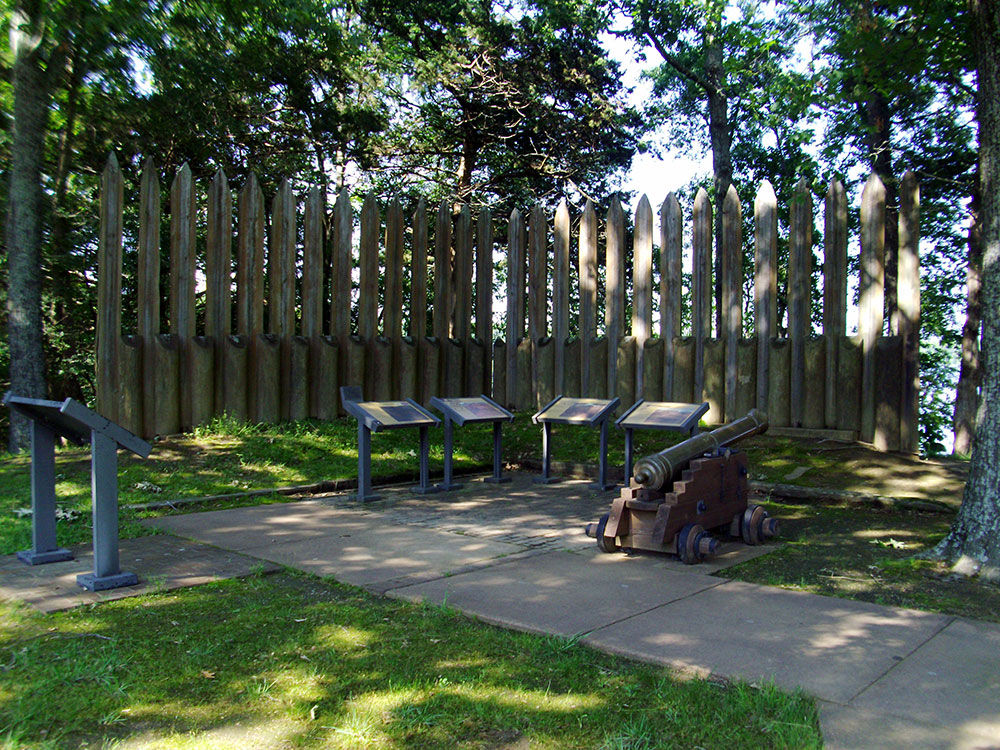
The memorial preserves portions of the Battle of Arkansas Post, also known as the Battle of Fort Hindman, fought in January 1863. Visitors can explore battlefield areas, earthworks, and interpretive exhibits that explain the significance of the Union victory during the Civil War.
Top Trails
Arkansas Post Trail
Length: Approximately 1.5 miles loop
Elevation Gain: Minimal
Difficulty: Easy
This interpretive trail guides visitors through historic areas of the memorial, connecting exhibits, reconstructed features, and significant archaeological locations while explaining the site's extensive history.
Post Bayou Trail
Length: Approximately 1.0 mile round trip
Elevation Gain: Minimal
Difficulty: Easy
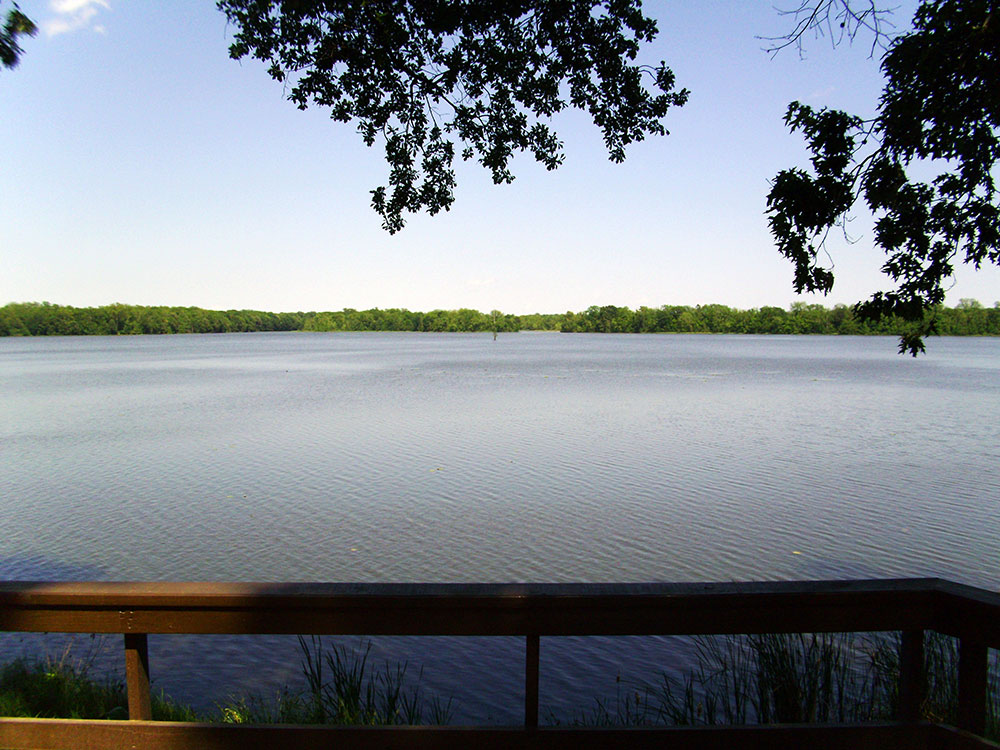
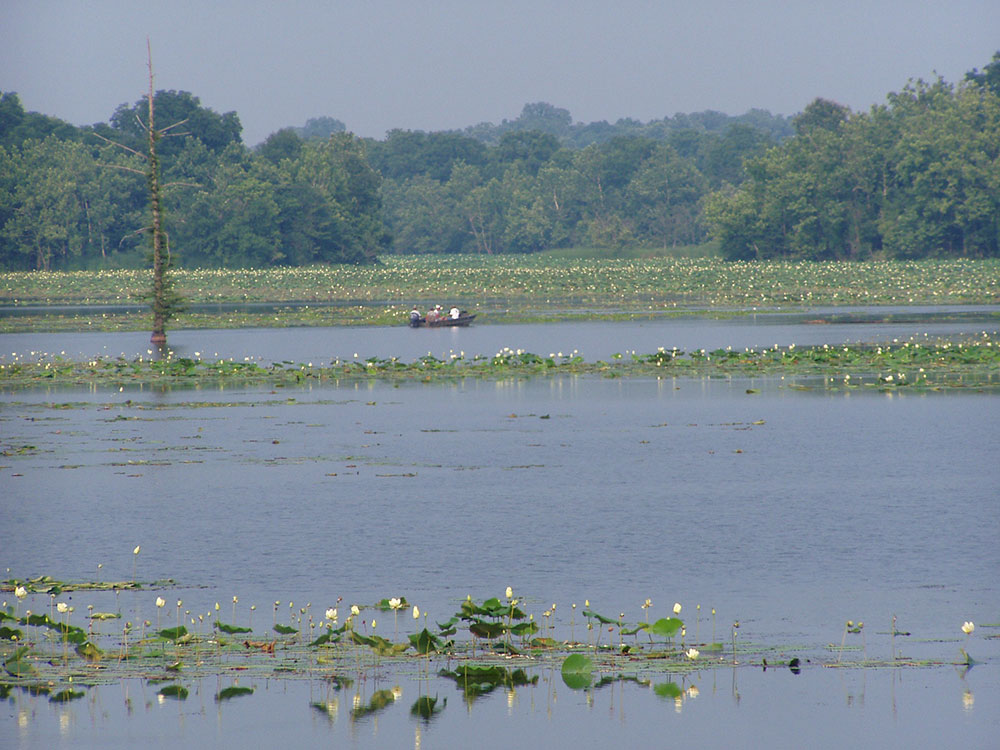
This scenic trail follows portions of Post Bayou and the surrounding wetlands, offering opportunities for wildlife viewing, birdwatching, and learning about the natural environment that supported centuries of settlement and trade.
Visitor Centers
The visitor center and museum, open Thursday through Monday, is the best place to start. Exhibits, artifacts, maps, and a film interpret the site’s long history, from the Quapaw and the French and Spanish colonial periods to the territorial era and the Civil War. National Park Service rangers can provide trail maps and information on programs, and restrooms and picnic areas are nearby.
Camping and Lodging
The memorial is mainly a day-use site, so check with the National Park Service for any current overnight options on site. Hotels and motels are found in Dumas, about 20 miles away, and in De Witt and Stuttgart, each roughly 30 minutes by car, with more choices in Pine Bluff and Little Rock. Private RV parks and campgrounds can be found in these nearby towns and around the area’s lakes and wildlife areas.
This article uses material from the Wikipedia article "Arkansas Post", which is released under the Creative Commons Attribution-Share-Alike License 3.0. Additional information was drawn from the National Park Service, including its visitor resources and history and culture pages.