Lincoln Travel Guide
Vibrant urban center featuring diverse cultural institutions, expansive parks, and a broad range of civic and educational attractions.
Places to See in Lincoln
Danksergeant15, CC BY-SA 4.0, via Wikimedia Commons; Image Size Adjusted

Great Plains Art Museum
Gallery space featuring rotating exhibitions of regional art, historical works, and contemporary pieces that reflect the cultural and environmental heritage of the Great Plains.

Des Moines Guy, CC BY-SA 3.0, via Wikimedia Commons; Image Size Adjusted

Historic Haymarket District
Bustling district featuring preserved 19th-century warehouses, eclectic shops, restaurants, and vibrant nightlife.
Danksergeant15, CC BY-SA 4.0, via Wikimedia Commons; Image Size Adjusted
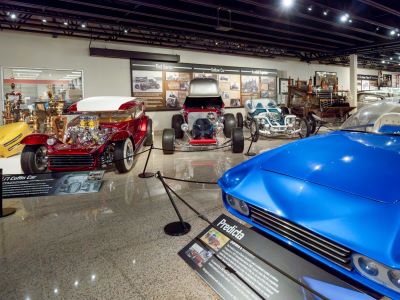
Museum of American Speed
Three-story facility showcasing an extensive collection of racing vehicles, engines, toys, and memorabilia that celebrate the history of American automotive innovation.
Danksergeant15, CC BY-SA 4.0, via Wikimedia Commons; Image Size Adjusted
Nebraska State Capitol
Seat of government for Nebraska and designed by New York architect Bertram Grosvenor Goodhue, it is the second-tallest U.S. statehouse
Danksergeant15, CC BY-SA 4.0, via Wikimedia Commons; Image Size Adjusted
Saint Mary's Catholic Church, Lincoln
Historic cathedral offering daily Mass, confession, and spiritual services in a traditional Gothic-style sanctuary.
Dsmspence, CC BY-SA 3.0, via Wikimedia Commons; Image Size Adjusted

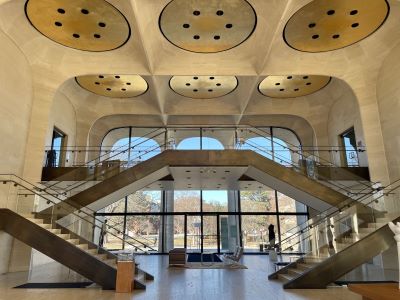
Sheldon Museum of Art
Modern art museum featuring a diverse collection of 19th- and 20th-century American and European works, with a focus on contemporary art.
Jeff P from Berkeley, CA, USA, CC BY 2.0, via Wikimedia Commons; Image Size Adjusted

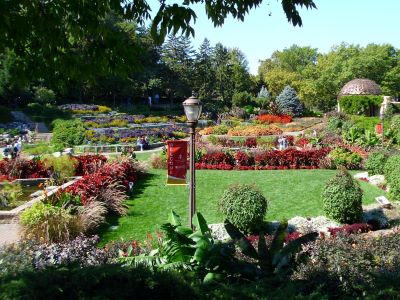
Sunken Gardens
Lush botanical garden featuring tiered floral displays, reflecting pools, and themed gardens in a tranquil urban setting.

Jeff P from Berkeley, CA, USA, CC BY 2.0, via Wikimedia Commons; Image Size Adjusted
University of Nebraska State Museum Morrill Hall
Natural history museum featuring fossil exhibits, interactive displays, and a planetarium experience for all ages.
Overview
Lincoln is the capital of Nebraska and its second-largest city, in the southeastern part of the state, and the home of the University of Nebraska-Lincoln and the Cornhuskers football team. It is known for the Nebraska State Capitol, a 400-foot tower on the plains that is one of the most distinctive state capitols in the country, and for its historic Haymarket District. The city has a youthful energy thanks to the university and a relaxed Midwestern pace.
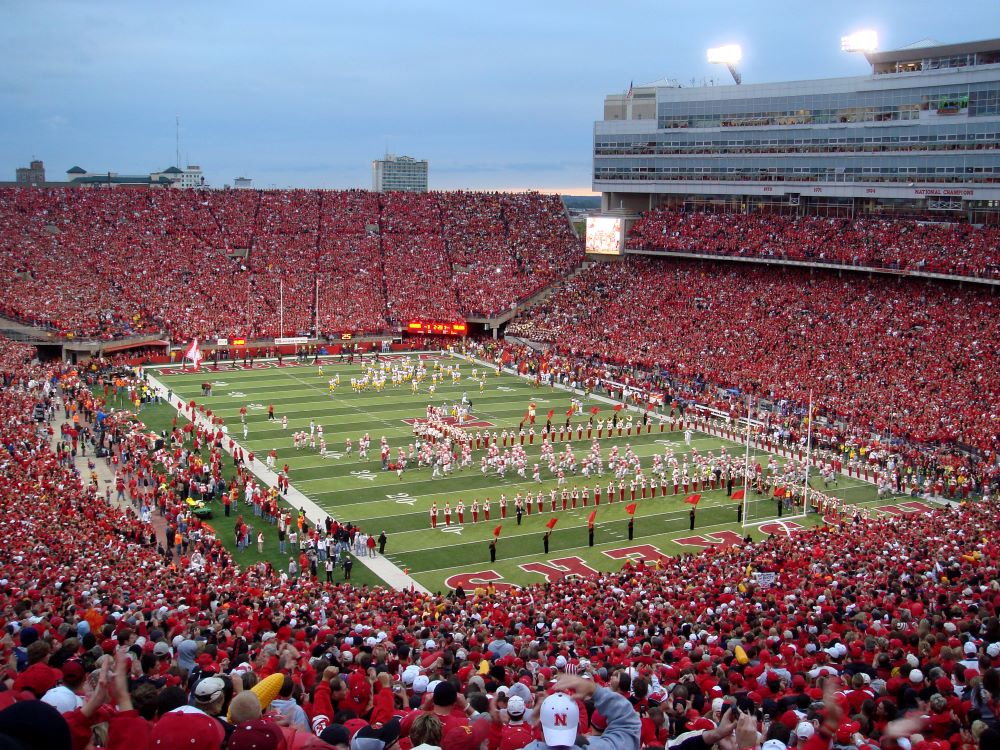
Visitors come to Lincoln for Husker football at Memorial Stadium, where 90,000 fans in red turn the stadium into the third-largest "city" in the state on game days, and for the Capitol and its observation deck. They also come for the Haymarket restaurants and shops, the Sheldon Museum of Art, Morrill Hall, and the Sunken Gardens, and the city is a pleasant, affordable stop on Interstate 80.
History
The city began as the village of Lancaster in the 1850s, near salt flats that attracted early settlers, and it was renamed Lincoln in 1867 when it was chosen as the state capital, in honor of Abraham Lincoln. Critics at the time mocked the choice of such a small, remote town, but the University of Nebraska was founded in 1869 and railroads arrived soon after. William Jennings Bryan, the three-time presidential candidate and orator, lived in Lincoln, and the city grew as a center for education, government, and insurance. The current Capitol, designed by Bertram Goodhue, was completed in 1932 and replaced two earlier buildings.
Sightseeing and Popular Landmarks
The Nebraska State Capitol has a tower topped by a bronze statue called "The Sower" and features murals, mosaics, and a free observation deck. The Historic Haymarket is a restored warehouse district with restaurants and shops, and St. Mary's Catholic Church and the Museum of American Speed are other attractions. The Children's Zoo and Pioneers Park Nature Center are popular with families, and the Lincoln Children's Museum is also popular.
Culture and Museums
The University of Nebraska State Museum at Morrill Hall has the famous Elephant Hall, with mammoth skeletons, and the Sheldon Museum of Art, a building designed by Philip Johnson, has a collection of American art with free admission. The Great Plains Art Museum focuses on art of the Great Plains, and the Museum of American Speed has a large collection of cars and engines. The Lied Center for Performing Arts and the Lincoln Theatre have concerts and shows.
Parks
Lincoln has more than 130 parks and a large trail system. The Sunken Gardens is a formal garden with thousands of flowers, and Pioneers Park has a nature center and trails. Wilderness Park, one of the largest in the city, has trails for hiking and biking, and Holmes Lake and Capitol Beach Lake are used for boating and fishing. The MoPac East Trail and the Rock Island Trail are popular for biking.
Seasons and Weather
Lincoln has a humid continental climate. Summers are hot and humid, with highs in the upper 80s°F, and winters are cold, with highs in the 30s°F and about 25 inches of snow. Spring and fall are mild, and severe thunderstorms and tornadoes are possible in spring and summer. Football weekends in fall are the busiest time of the year.
This article uses material from Wikipedia as well as information from official tourism and institutional sources. Key references include Visit Lincoln, Nebraska State Capitol, Nebraska State Historical Society, Sheldon Museum of Art, Nebraska Cornhuskers, and National Weather Service Omaha. Wikipedia material is from the article "Lincoln, Nebraska", and is available under the Creative Commons Attribution-Share-Alike License 3.0.