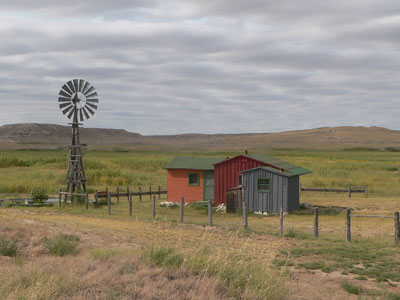
National monument featuring a valley of the Niobrara River and the fossils found on Carnegie Hill and University Hill
General Information
All Park Hours: Sunrise-Sunset
The park's two trails are open from dawn till dusk every day
Visitor Center-Winter Hours October 1-May 15: Daily 8am to 4pm
Visitor Center - Summer Hours May 16-September 30: Daily 9am to 5pm
How to Get There
From Scottsbluff (47 miles): Head south on Ave C toward W 20th St. Turn left onto W 20th St. Turn left onto Ave. B. Turn left onto US-26 W/Heartland Expy. Turn right onto NE-29 N/19th Ave. Turn right onto River Rd. Turn right.
Overview
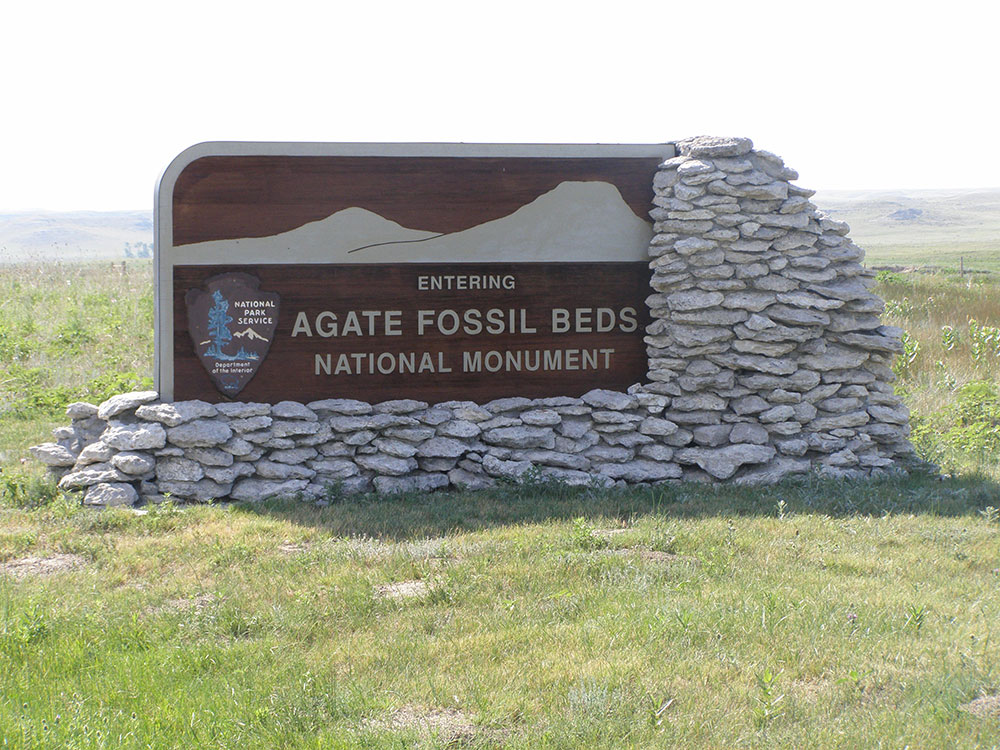
Agate Fossil Beds National Monument is a national monument near Harrison, Nebraska. The main features of the monument are a valley of the Niobrara River and the fossils found on Carnegie Hill and University Hill.
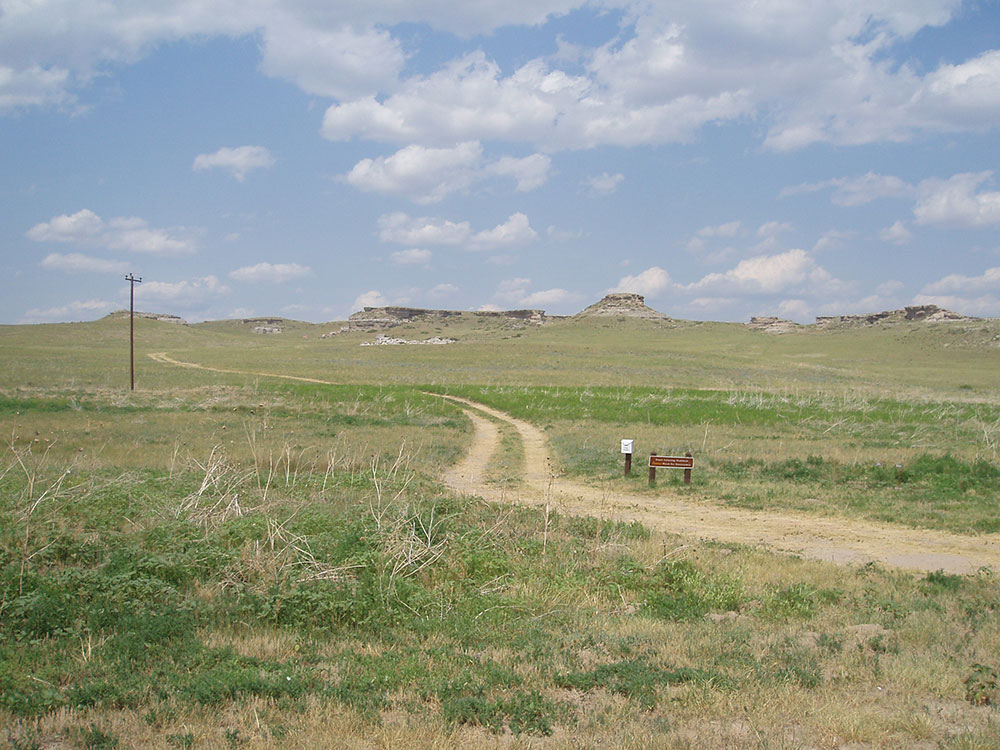
The area largely consists of grass-covered plains. Plants on the site include prairie sandreed, blue grama, little bluestem and needle and thread grass, and the wildflowers lupin, spiderwort, western wallflower and sunflowers.
Things to Do
Discover an Ancient World of Fossils on the Great Plains
Agate Fossil Beds National Monument, located in northwestern Nebraska near Harrison, preserves one of the world's most significant Miocene fossil sites. The monument contains remarkably rich deposits of prehistoric mammal fossils dating back approximately 19 to 23 million years. Visitors can explore fossil-bearing hills, learn about ancient ecosystems, and discover the important cultural connections between local Native American tribes and the region.
Explore World-Class Fossil Sites
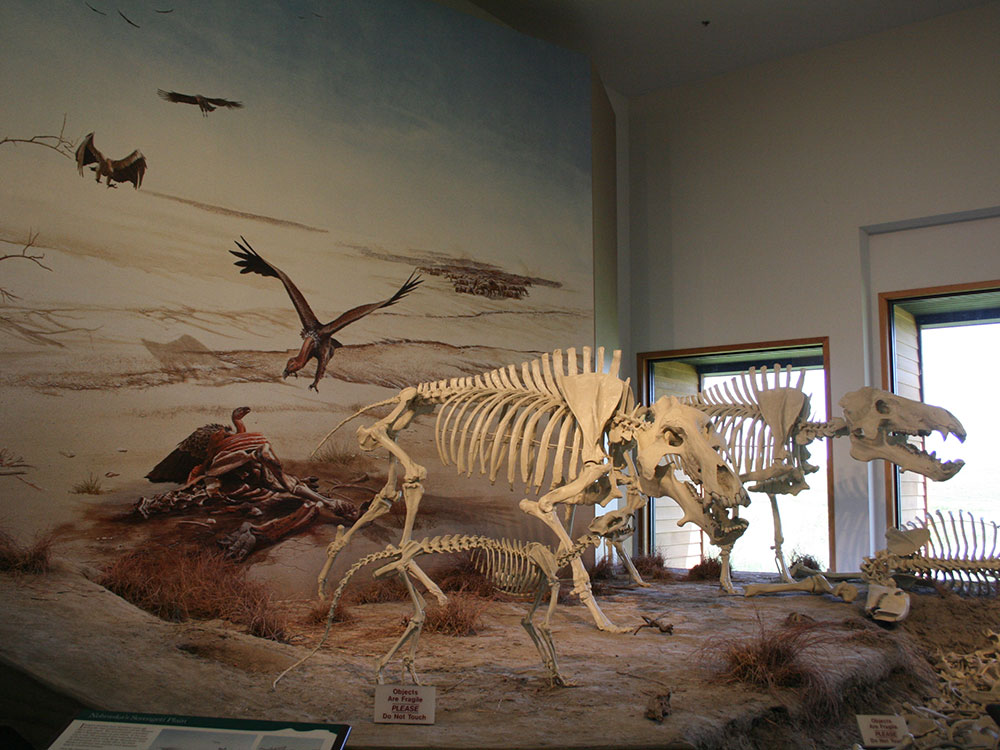
The monument protects fossil deposits that have yielded thousands of specimens from extinct animals, including Menoceras (a small rhinoceros), Moropus, Daeodon, and numerous other mammals that once roamed the ancient grasslands of North America. These discoveries have helped scientists better understand prehistoric life and evolution on the Great Plains.
Visit the Visitor Center and Museum
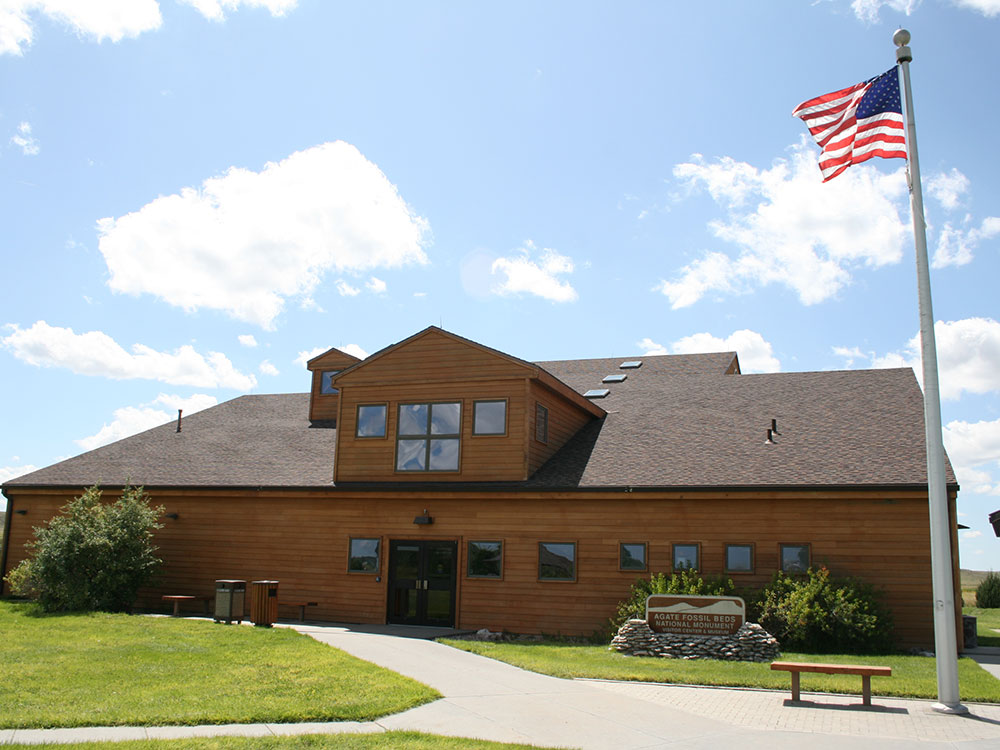
The James H. Cook Visitor Center features fossil exhibits, reconstructed skeletons, interactive displays, and educational programs that explain the monument's paleontological significance. Visitors can also view an impressive collection of Native American artifacts donated by descendants of James H. Cook, a rancher who developed important relationships with leaders such as Red Cloud and Crazy Horse.
Learn About Native American Heritage
In addition to its fossil resources, the monument highlights the cultural history of the Lakota, Cheyenne, and other Plains tribes. Exhibits explore the relationships between Native peoples, early settlers, and the unique cultural exchange that occurred in the region during the late nineteenth century.
Enjoy Prairie Landscapes and Wildlife Viewing
The monument preserves mixed-grass prairie habitat that supports pronghorn, mule deer, coyotes, prairie dogs, hawks, golden eagles, and numerous grassland bird species. Visitors can enjoy scenic views, photography, birdwatching, and opportunities to experience the open landscapes of the High Plains.
Top Trails
Fossil Hills Trail
Length: Approximately 2.7 miles round trip
Elevation Gain: Moderate
Difficulty: Easy to Moderate
This signature trail leads visitors to the famous Carnegie Hill and University Hill fossil excavation sites. Interpretive signs explain the geology, fossil discoveries, and scientific importance of the monument while providing panoramic views of the surrounding prairie.
Daemonelix Trail
Length: Approximately 1 mile round trip
Elevation Gain: Minimal
Difficulty: Easy
This trail features views of unusual ancient spiral burrow formations known as Daemonelix, or "Devil's Corkscrews," which were created by extinct beavers millions of years ago. The route provides insight into one of the monument's most intriguing paleontological features.
Prairie Nature Walk
Length: Variable short distances
Elevation Gain: Minimal
Difficulty: Easy
Visitors can enjoy leisurely walks through native prairie habitats while observing wildflowers, birds, and wildlife that inhabit the monument's grasslands.
Sources
National Park Service official Agate Fossil Beds National Monument information, including details on Miocene fossil deposits, fossil excavation sites, visitor center exhibits, Native American collections, hiking trails, and educational programs. https://www.nps.gov/agfo
Additional information verified through National Park Service visitor resources covering the Fossil Hills Trail, Daemonelix formations, prairie ecosystems, paleontological research, and cultural history associated with Agate Fossil Beds National Monument.
The site is best known for a large number of well-preserved Miocene fossils, many of which were found at dig sites on Carnegie and University Hills. Fossils from the Harrison Formation and Anderson Ranch Formation, which date to the Arikareean in the North American land mammal classification, about 20 to 16.3 million years ago, are among some of the best specimens of Miocene mammals.
The national monument was authorized on June 5, 1965, but was not established until June 14, 1997. The Harold J. Cook Homestead (Bone Cabin Complex) was listed on the National Register of Historic Places in 1977. Agate Fossil Beds is maintained by the National Park Service.
This article uses material from the Wikipedia article "Agate Fossil Beds National Monument", which is released under the Creative Commons Attribution-Share-Alike License 3.0