
Lawrence Travel Guide
Vibrant cultural and academic center characterized by historic significance, diverse arts, and a lively community atmosphere.
Places to See in Lawrence
Des Moines Guy, CC BY-SA 3.0, via Wikimedia Commons; Image Size Adjusted

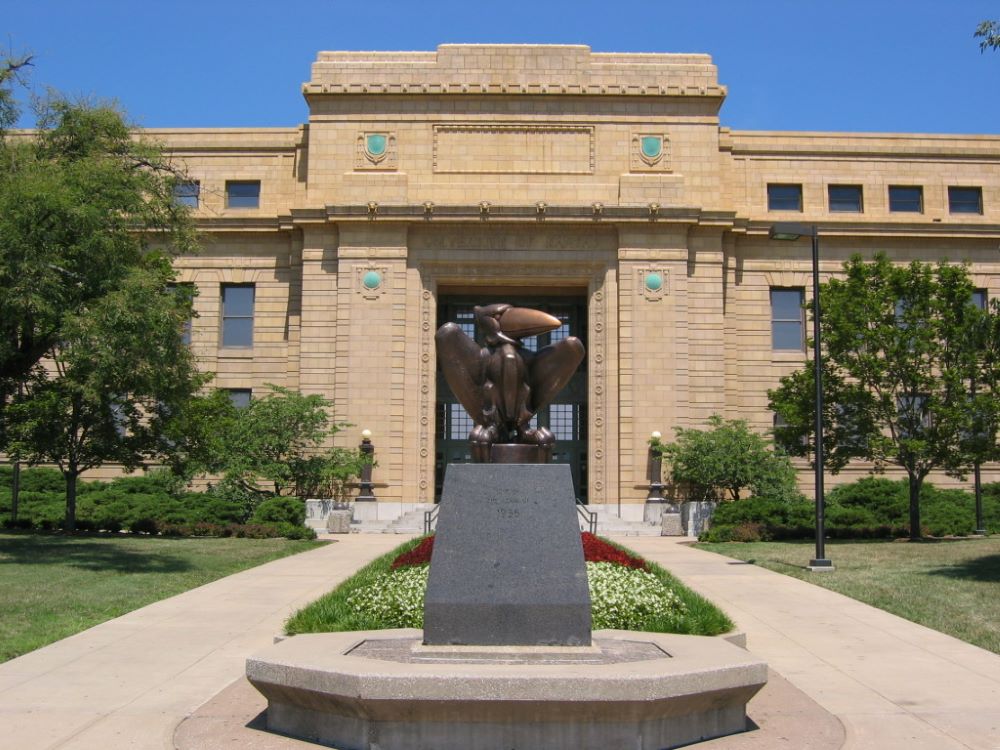
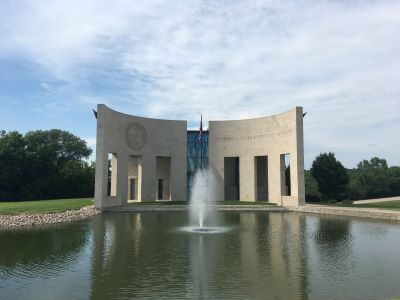
Dole Institute of Politics
Nonpartisan educational center featuring exhibits, archives, and public programs that explore American political and civic life.

Danksergeant15, CC BY-SA 4.0, via Wikimedia Commons; Image Size Adjusted

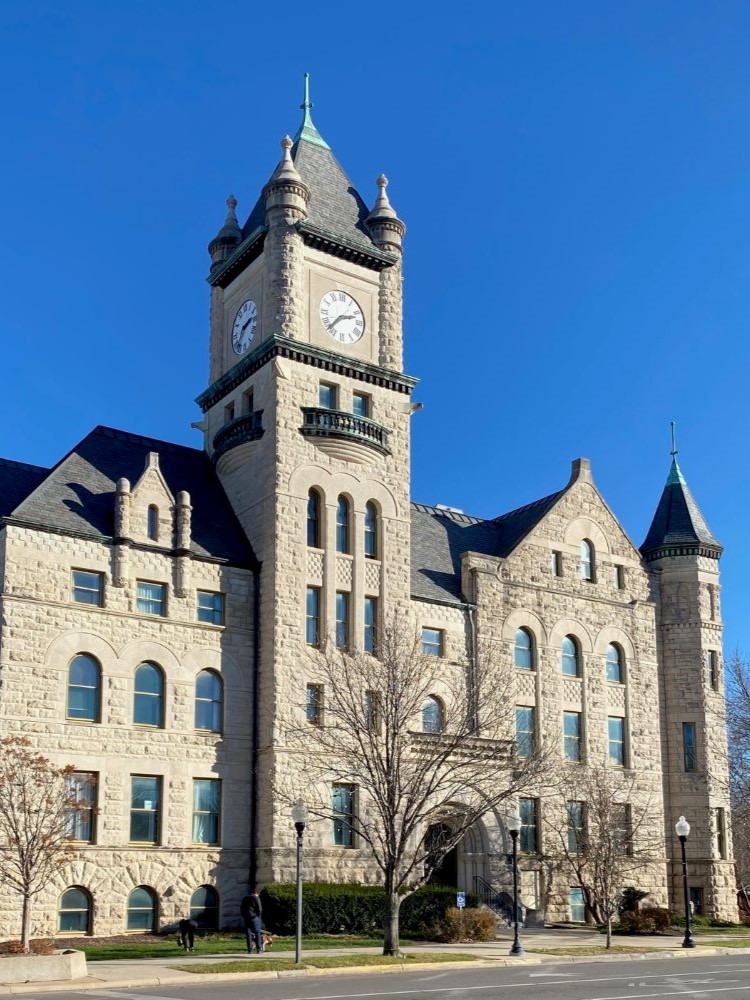
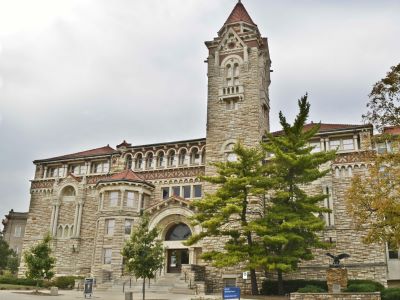
KU Natural History Museum
Four-floor museum showcasing fossils, wildlife dioramas, live animals, biodiversity exhibits, and one of the world's largest panoramic displays of North American habitats.
Des Moines Guy, CC BY-SA 3.0, via Wikimedia Commons; Image Size Adjusted
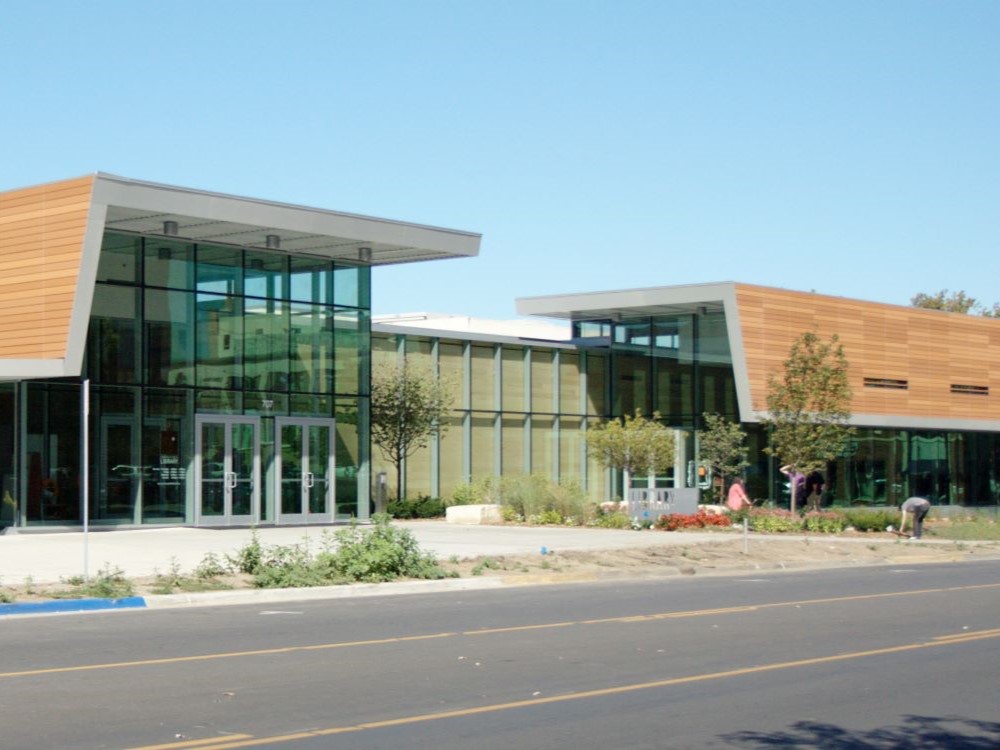
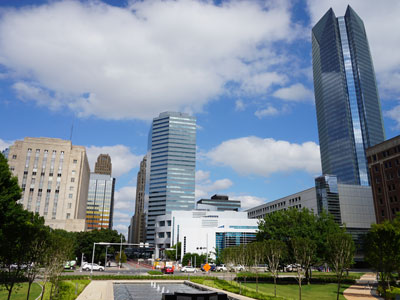
Massachusetts Street
Bustling historic downtown corridor lined with eclectic shops, local eateries, art galleries, and entertainment venues.
Des Moines Guy, CC BY-SA 3.0, via Wikimedia Commons; Image Size Adjusted
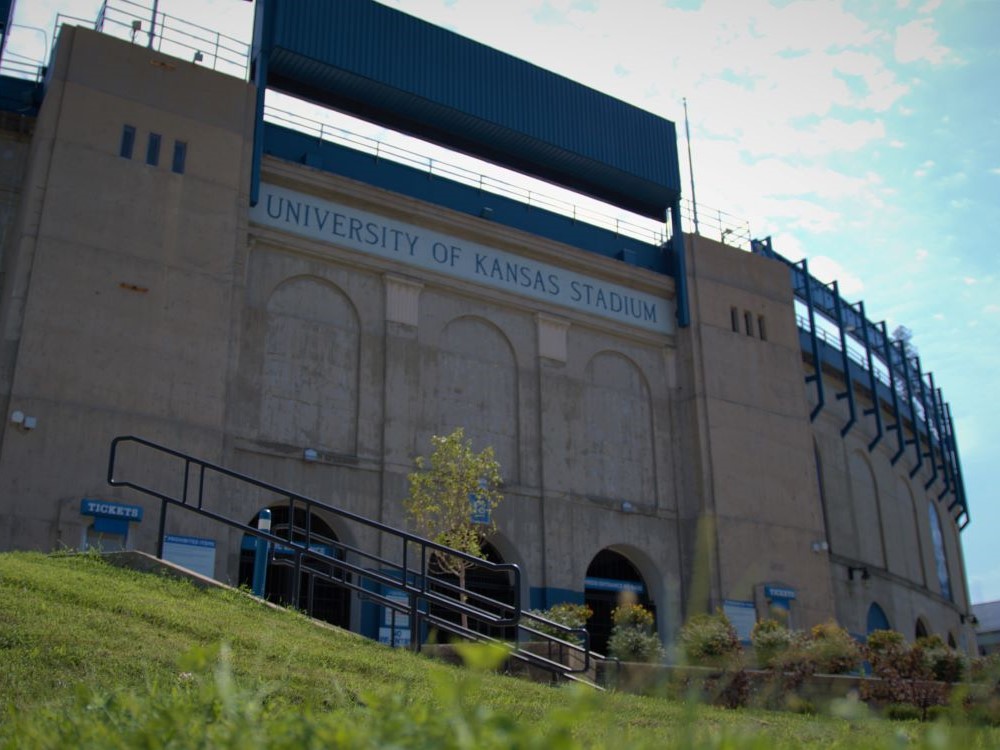
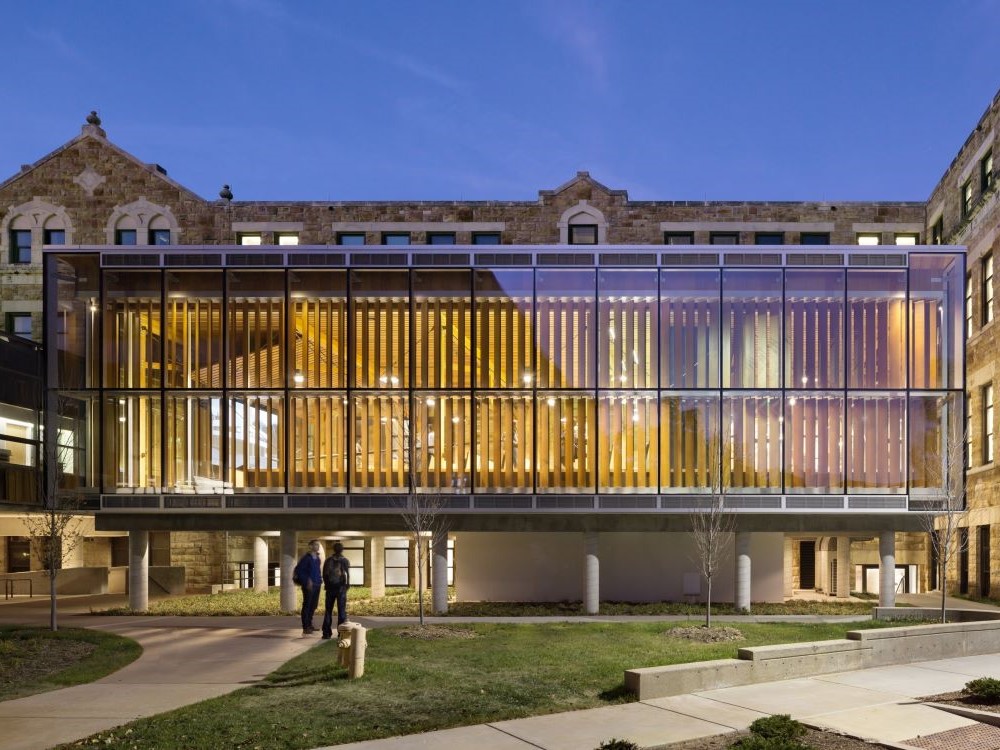
Spencer Museum of Art
University art museum featuring global collections, rotating exhibitions, and educational programs that span centuries and cultures.
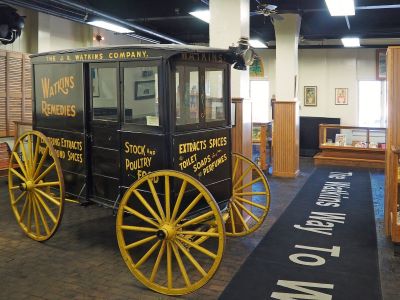
Dsmspence, CC BY-SA 3.0, via Wikimedia Commons; Image Size Adjusted

Watkins Community Museum History
Three-story museum housed in a historic 1888 bank building featuring exhibits on local history, civil rights, and community life in Douglas County.
Overview
Lawrence is a college city in northeast Kansas on the Kansas River, about 40 miles west of Kansas City, and the home of the University of Kansas (KU) and its Jayhawks. It is known for its liberal, creative spirit in an otherwise conservative state, for its historic Massachusetts Street, which is lined with independent shops, restaurants, and music venues, and for its role in the Free State movement before the Civil War. It is also the birthplace of college basketball as we know it, since James Naismith, the inventor of the game, was KU's first basketball coach.
Visitors come to Lawrence for KU basketball at Allen Fieldhouse, for the Spencer Museum of Art, the KU Natural History Museum, and the Dole Institute of Politics. They also come for the nightlife and food of Massachusetts Street, for events such as the Lawrence Busker Festival, and for a college-town atmosphere that is affordable and easy to enjoy on foot.
History
Lawrence was founded in 1854 by the New England Emigrant Aid Company as a stronghold for anti-slavery settlers, who named the town after Amos A. Lawrence, a Boston financial supporter. The town was attacked by pro-slavery forces in 1856, in the sack of Lawrence, and again in August 1863 when William Quantrill's raiders burned much of the city and killed about 150 men and boys. Kansas University opened in 1866, and Haskell Indian Nations University was established as a boarding school in 1884. The city rebuilt and grew as an educational and cultural center, and the writer William S. Burroughs lived here late in life.
Sightseeing and Popular Landmarks
Massachusetts Street is the main commercial street and is lined with historic buildings with shops, cafes, and bars, and the KU campus on Mount Oread has the Campanile, the Jayhawk statues, and Allen Fieldhouse, the home of KU basketball. The Watkins Museum of History in downtown tells the story of the city's turbulent early years, and the Haskell Cultural Center and Museum and the Lawrence Arts Center are other sights. The Kansas River levee and the Clinton Lake area offer scenic views.
Culture and Museums
The Spencer Museum of Art, a free university art museum, has a collection of more than 40,000 objects, and the KU Natural History Museum has dinosaur fossils and the famous Panorama of North American wildlife. The Dole Institute of Politics features exhibits about Senator Bob Dole and the history of American politics, and the Lawrence Arts Center and the Liberty Hall theater present performances and films. The city is also known for its music scene, with venues such as the Granada and the Bottleneck.
Parks
Lawrence has a large park system with more than 50 parks. Clinton Lake State Park, a few miles west of the city, has boating, fishing, camping, and trails, and the Baker Wetlands and Discovery Center is a restored wetland with birdwatching. The Prairie Park Nature Center and the Burroughs Creek Trail are popular for walking and biking, and Kansas River Trail provides water access. Watson Park and South Park downtown are good places to relax.
Seasons and Weather
Lawrence has a humid continental to humid subtropical climate. Summers are hot and humid, with highs in the upper 80s°F, and winters are cold, with highs in the 30s and 40s°F and about 18 inches of snow. Spring and fall are mild, and severe thunderstorms and the occasional tornado are possible from April through June. Basketball season in winter and football in fall are the busiest times in town.
This article uses material from Wikipedia as well as information from official tourism and institutional sources. Key references include Visit Lawrence, University of Kansas, Spencer Museum of Art, Dole Institute of Politics, Watkins Museum of History, and National Weather Service Topeka. Wikipedia material is from the articles "Lawrence, Kansas" and "University of Kansas", and is available under the Creative Commons Attribution-Share-Alike License 3.0.