

Museum in Upper Manhattan, specializing in European medieval art and architecture, with a focus on the Romanesque and Gothic periods and contains a large collection of medieval artworks shown in the architectural settings of French monasteries and abbeys.
General Information
- Hours:
- 24/7
- Fees:
- No fees
- Pet Policy:
- Pets not allowed in building
- Seasons:
- All year
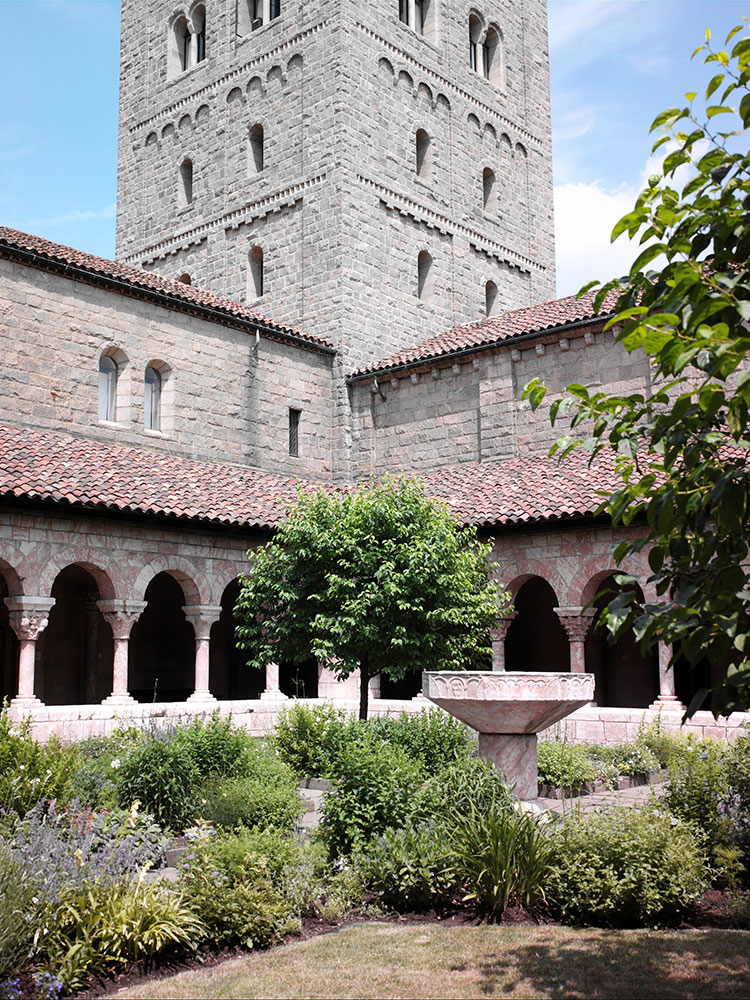
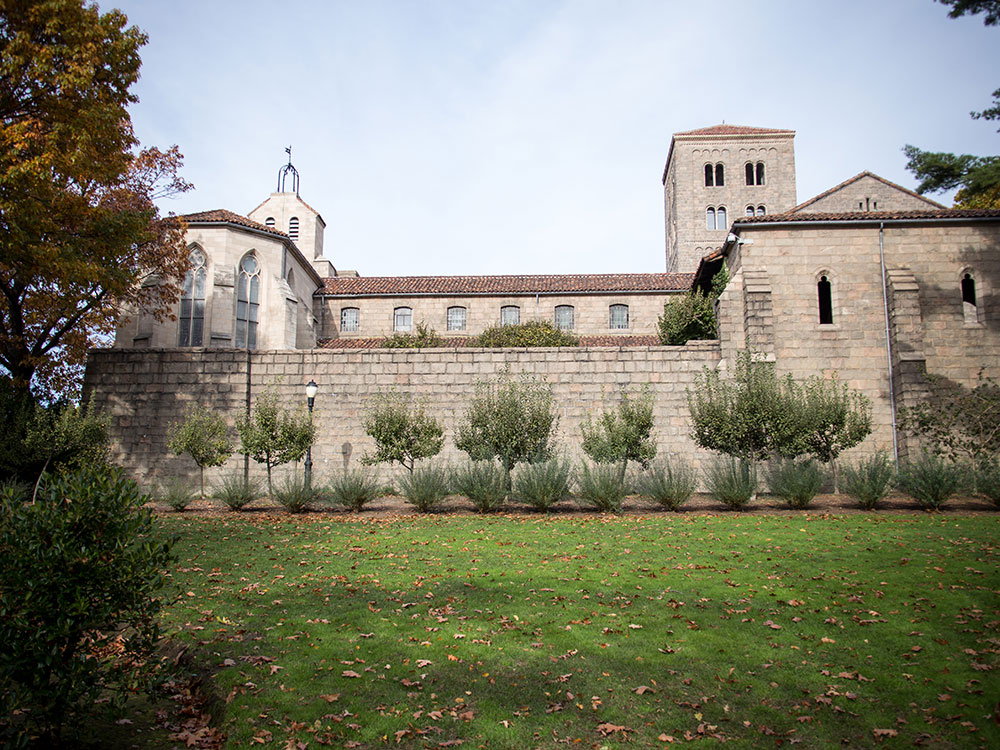
The Met Cloisters in Fort Tryon Park in Washington Heights is the Metropolitan Museum's branch for European medieval art and architecture, especially the Romanesque and Gothic periods. Its hilltop building, designed by Charles Collens, incorporates parts of medieval monasteries and has views over the Hudson.
Architecture and Cloisters
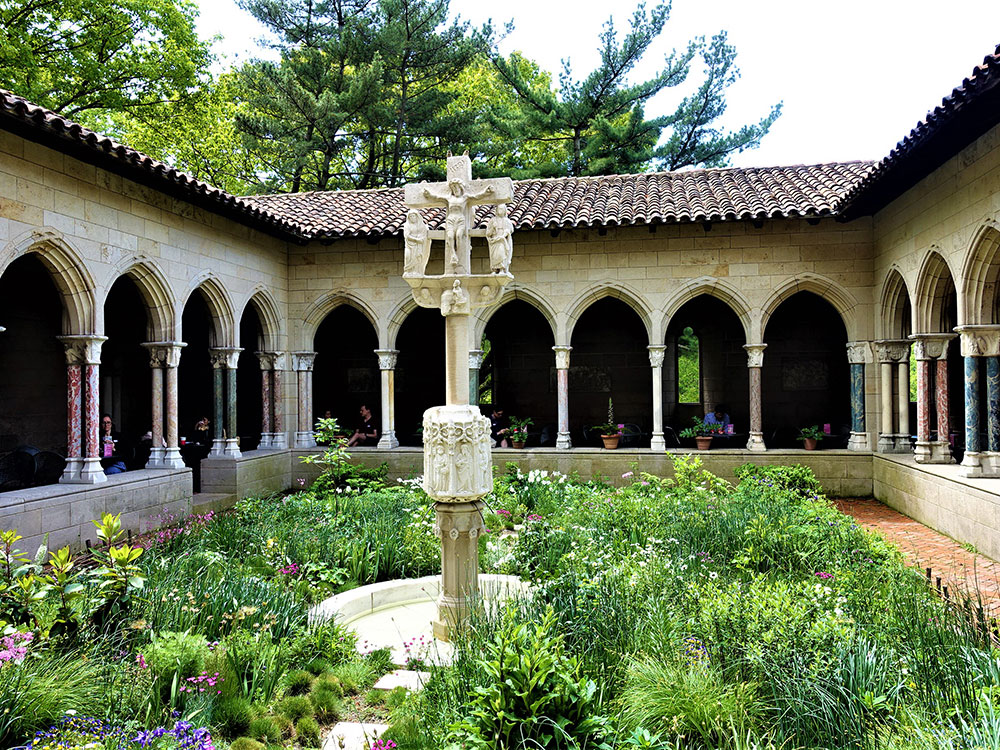
The Cuxa Cloister and other cloisters, chapels, and the Fuentidueña Chapel were assembled from architectural elements brought from medieval monasteries and churches in France and Spain.
Medieval Gardens
Medieval gardens planted with herbs, flowers, and trees are tied to the cloister spaces.
Themed Galleries
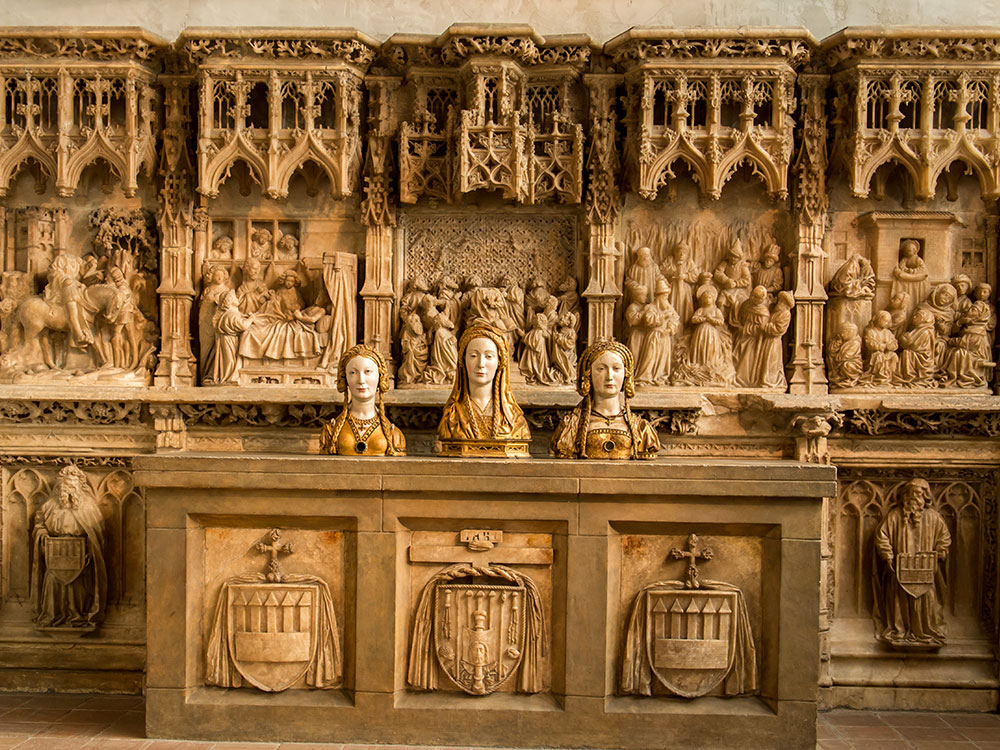
Themed galleries, including Gothic rooms, show sculpture, stained glass, metalwork, ivories, and tapestries.
World-Renowned Works
Highlights include:
- Unicorn Tapestries: a famous series of late medieval tapestries woven around 1500
- Mérode Altarpiece: a 15th-century triptych attributed to Robert Campin
- Fuentidueña Chapel apse: a 12th-century Spanish Romanesque apse
- Cloisters Cross: a carved walrus-ivory cross from the 12th century
This article uses material from the Wikipedia article "The Cloisters", which is released under the Creative Commons Attribution-Share-Alike License 3.0
 Metropolitan Museum of Art, CC0, via Wikimedia Commons; Image Size Adjusted

 Joyofmuseums, CC BY-SA 4.0, via Wikimedia Commons; Image Size Adjusted

 Polka0505, CC BY-SA 4.0, via Wikimedia Commons; Image Size Adjusted

 Polka0505, CC BY-SA 4.0, via Wikimedia Commons; Image Size Adjusted

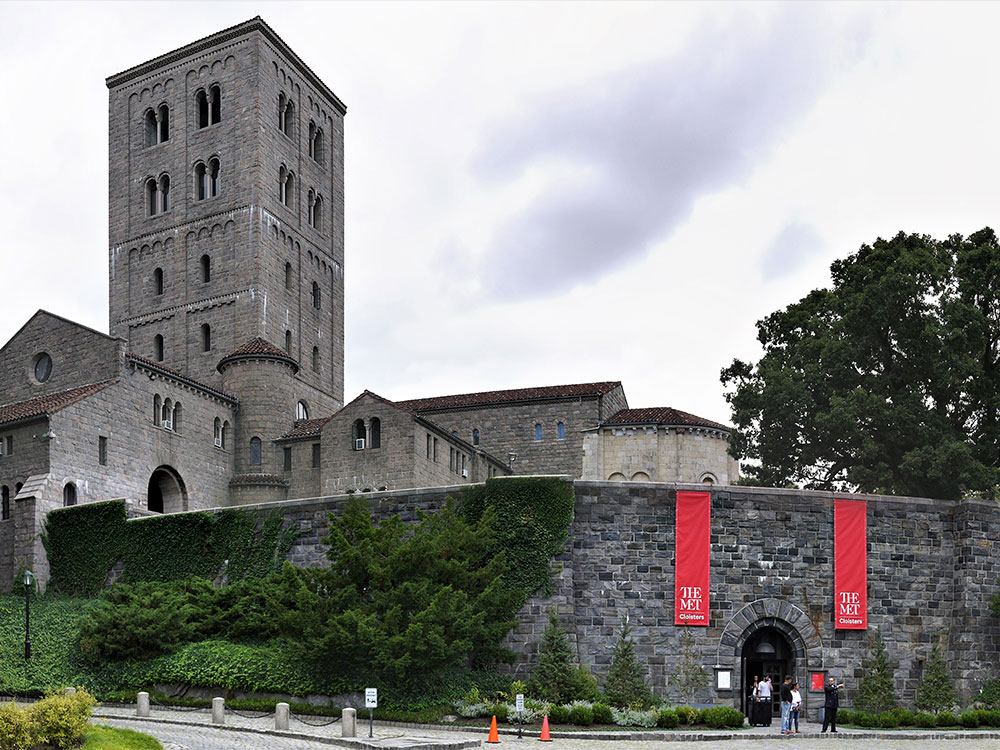 Christopher Down, CC BY 4.0, via Wikimedia Commons; Image Size Adjusted
