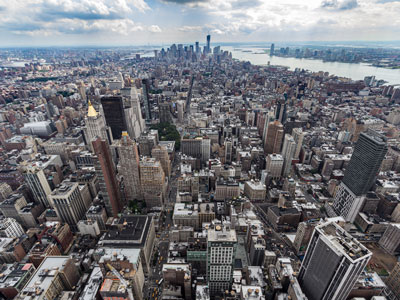

Museum complex comprises 26 interconnected buildings housing 45 permanent exhibition halls, in addition to a planetarium and a library.
General Information
- Hours:
-
Wednesday to Sunday 10am to 5:30pm
Tickets are timed-entry to limit capacity. Time slots available from 10am to 4pm, now through September 30, 2021 - Fees:
-
- General Admission
Adult: $23.00
Student (with ID): $18.00
Senior (Ages 60+): $18.00
Children (3-12): $13.00
Includes admission to permanent Museum halls but does not include special exhibitions. - General Admission + 1
Adult: $28.00
Student (with ID): $22.50
Senior (Ages 60+): $22.50
Children (3-12): $16.50
Includes admission to permanent Museum halls plus one special exhibitions or films. - General Admission + All
Adult: $33.00
Student (with ID): $27.00
Senior (Ages 60+): $27.00
Children (3-12): $20.00
Includes admission to permanent Museum halls plus all special exhibitions or films. - General Admission fees are waived for:
Children under 3
Visitors who enter the Museum during the last hour of the day 4:30pm to 5:30pm
- General Admission
- Pet Policy:
- Pets not allowed
- Seasons:
- All year
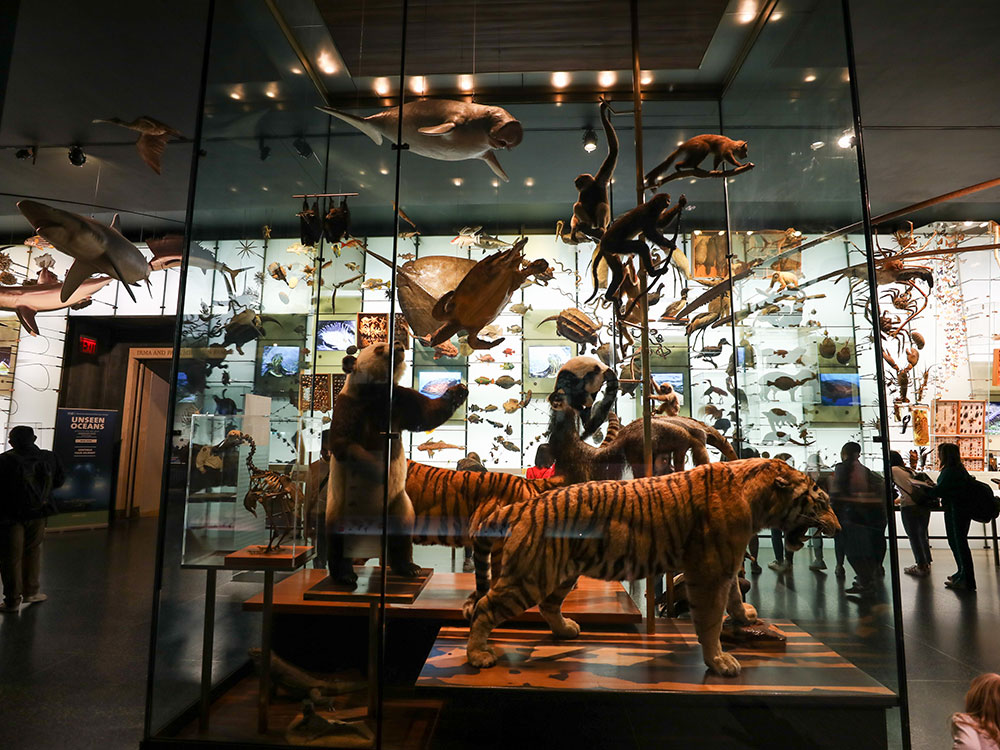
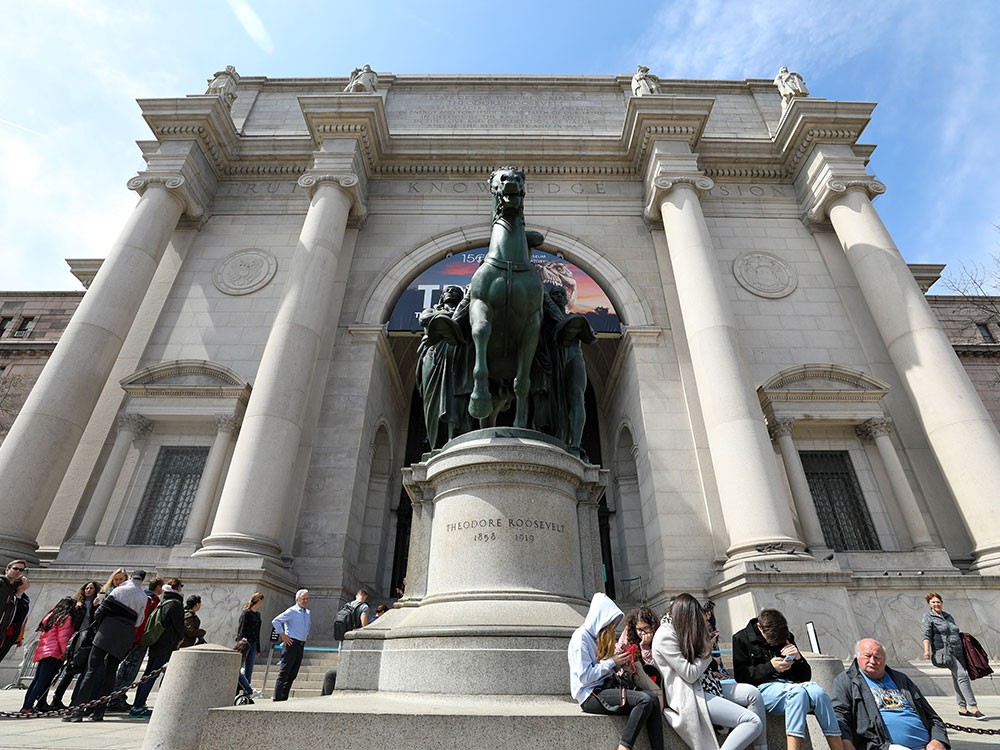
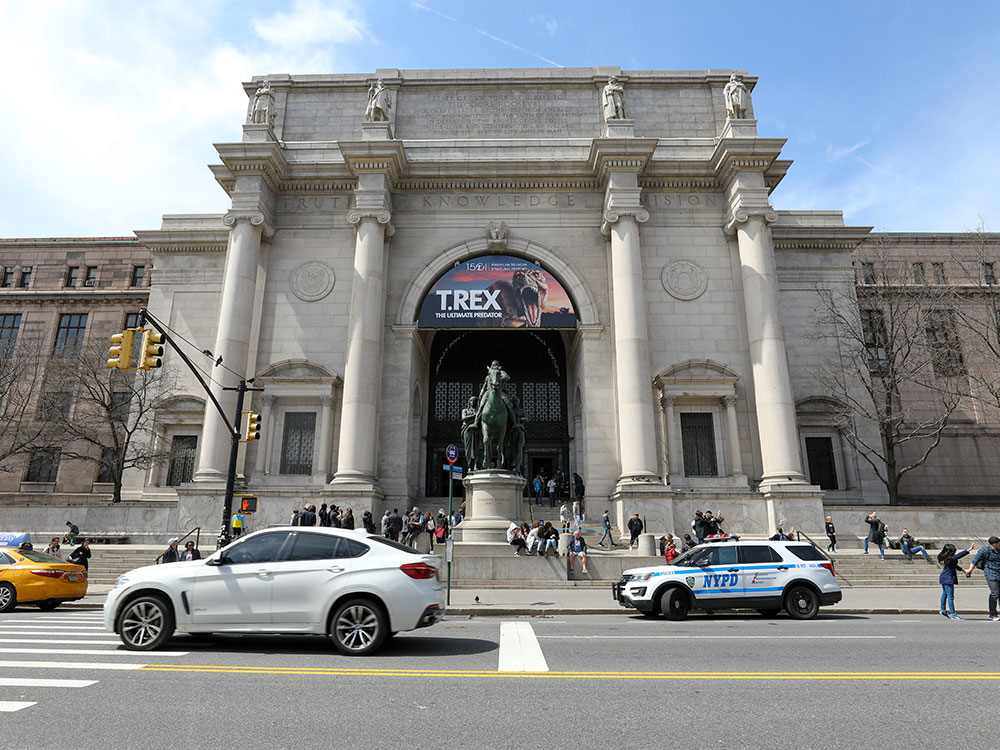
The American Museum of Natural History on the Upper West Side, in Theodore Roosevelt Park across from Central Park, has 26 interconnected buildings with 45 permanent exhibition halls, a planetarium, a library, and more than 34 million specimens. Its mission is to discover, interpret, and share knowledge of human cultures, the natural world, and the universe through research and education. People come for the dinosaurs, a giant blue whale, gems, and dioramas of animals from around the world.
Fossil Halls
The fourth-floor fossil halls present the history of vertebrates, with towering dinosaur skeletons including Tyrannosaurus rex and Barosaurus, as well as mammal fossils.
Milstein Hall of Ocean Life
A 94-foot model of a blue whale hangs over the hall, which has dioramas of marine habitats from coral reefs to the open ocean.
Akeley Hall of African Mammals
Dioramas by taxidermist Carl Akeley show African elephants and other animals in lifelike habitat scenes. Other halls cover North American mammals and the animals of other regions.
Rose Center for Earth and Space
The Rose Center for Earth and Space is a glass cube housing the Hayden Planetarium sphere, with space shows, exhibits on the universe, and the Willamette Meteorite.
Hall of Gems and Minerals
This hall displays minerals, crystals, and cut gems, including the famous Star of India sapphire.
Cultural Halls
Halls on human origins and the peoples of the Pacific, Asia, Africa, and Native North America, such as the Northwest Coast Hall, present cultural artifacts.
World-Renowned Objects
Highlights include:
- Blue whale: the 94-foot model in the Milstein Hall of Ocean Life
- Tyrannosaurus rex: a mounted skeleton in the fossil halls
- Star of India: a 563-carat star sapphire in the Hall of Gems
- Willamette Meteorite: the largest meteorite found in the United States, at about 15.5 tons
This article uses material from the Wikipedia article "American Museum of Natural History", which is released under the Creative Commons Attribution-Share-Alike License 3.0
 bryan..., CC BY-SA 2.0, via Wikimedia Commons; Image Size Adjusted

 bryan..., CC BY-SA 2.0, via Wikimedia Commons; Image Size Adjusted

 bryan..., CC BY-SA 2.0, via Wikimedia Commons; Image Size Adjusted

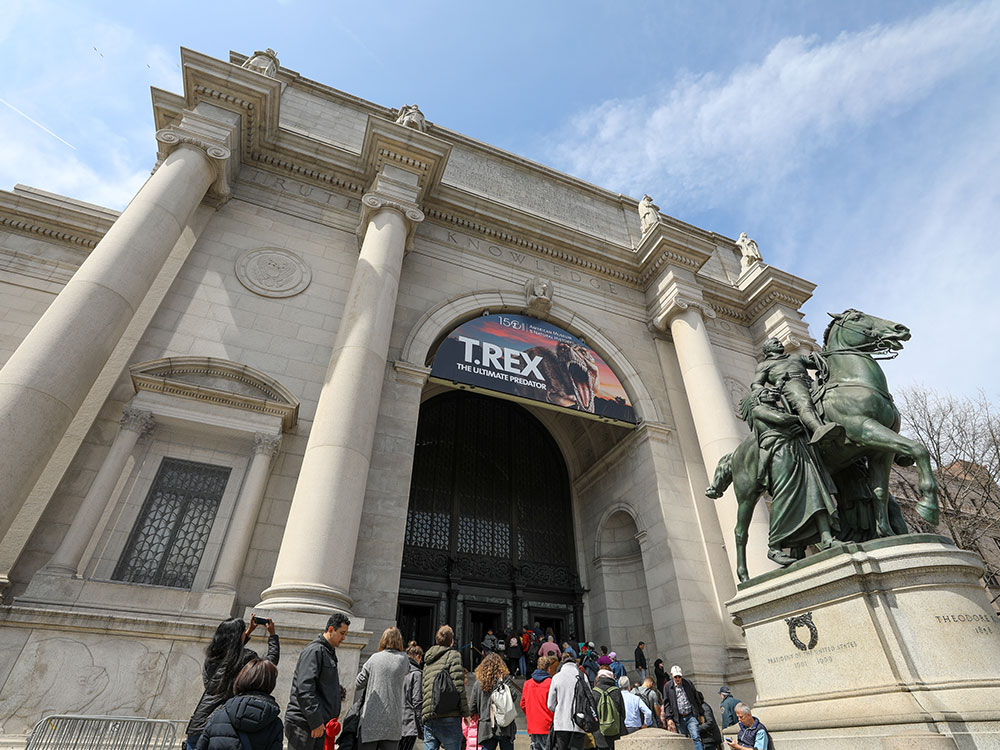 bryan..., CC BY-SA 2.0, via Wikimedia Commons; Image Size Adjusted

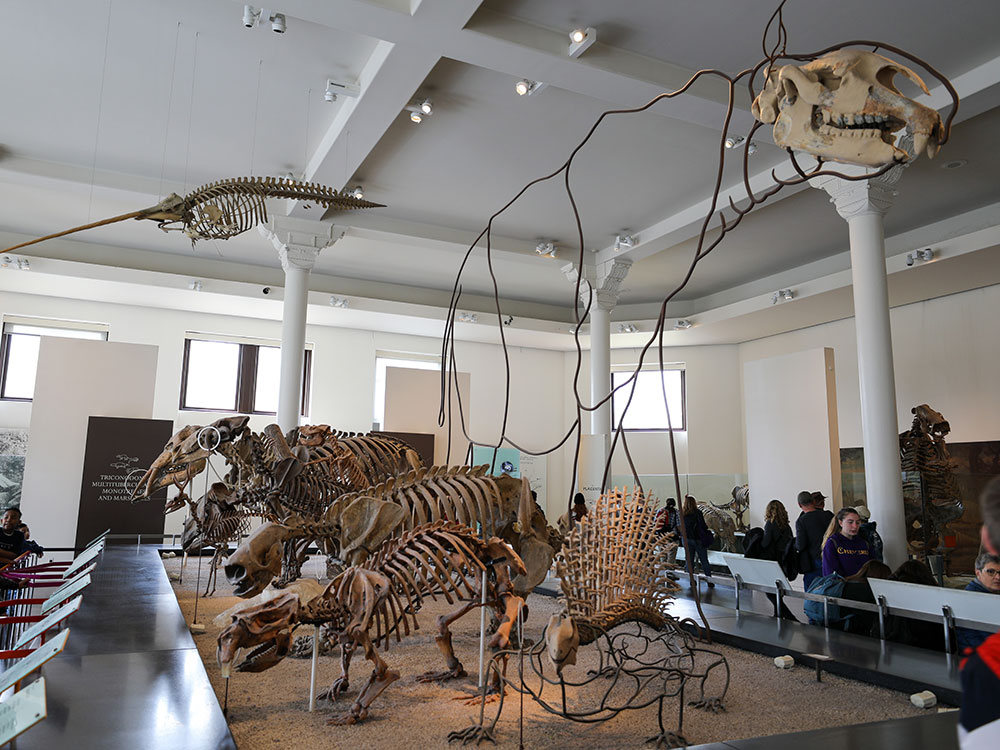 bryan..., CC BY-SA 2.0, via Wikimedia Commons; Image Size Adjusted

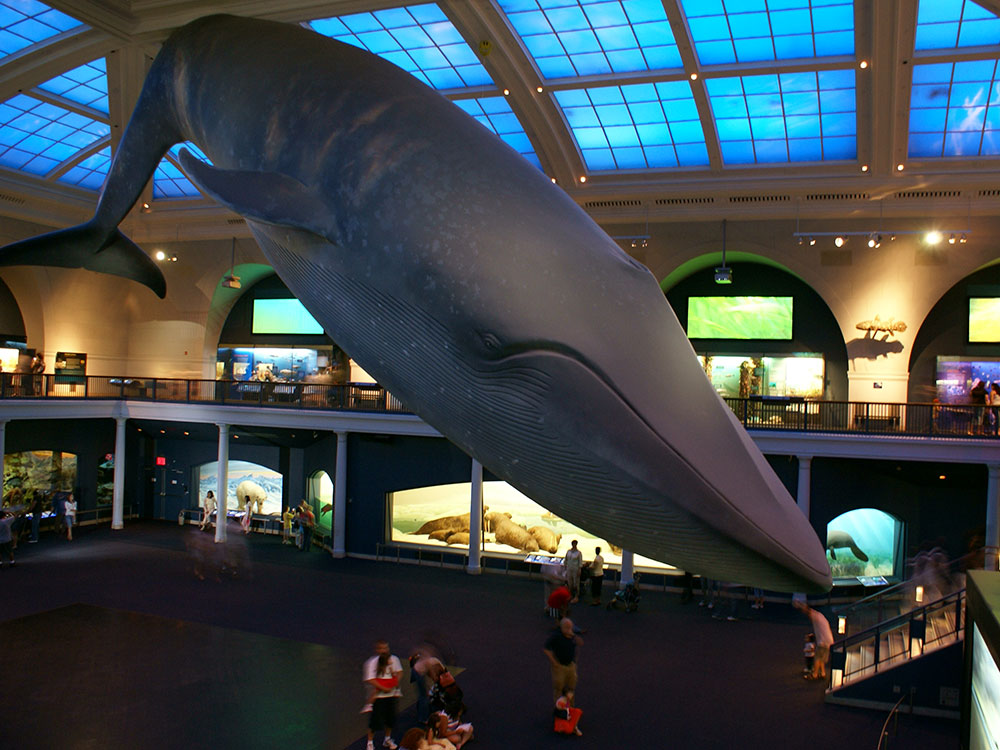 Breakyunit, CC BY-SA 3.0, via Wikimedia Commons; Image Size Adjusted

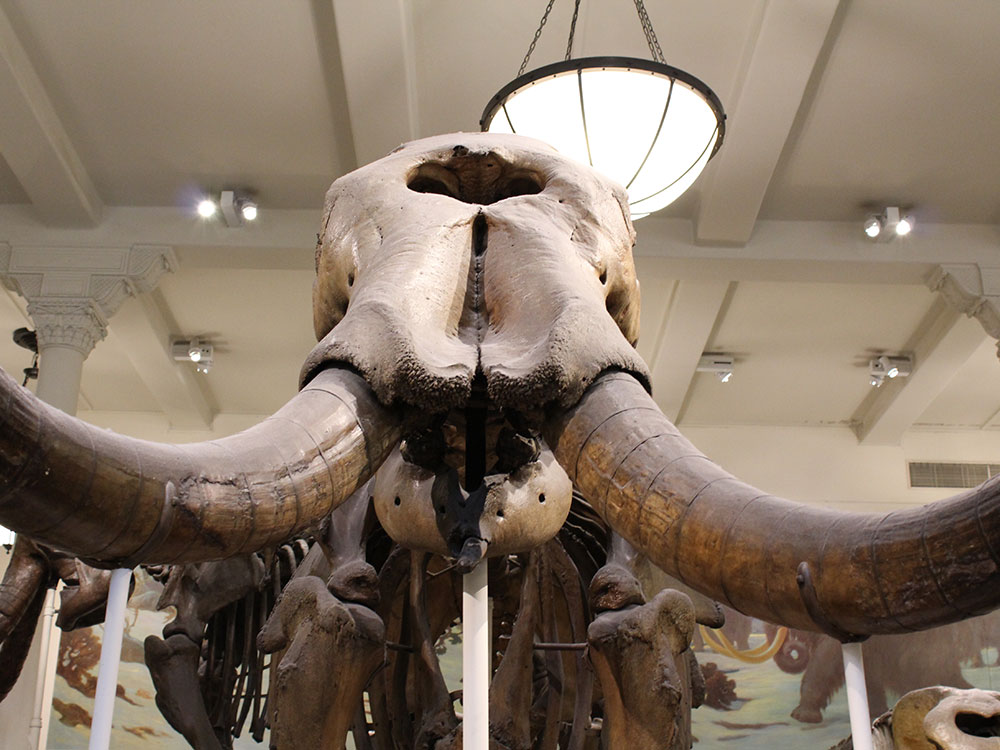 Rodrigo Alomía Díaz, CC BY-SA 4.0, via Wikimedia Commons; Image Size Adjusted

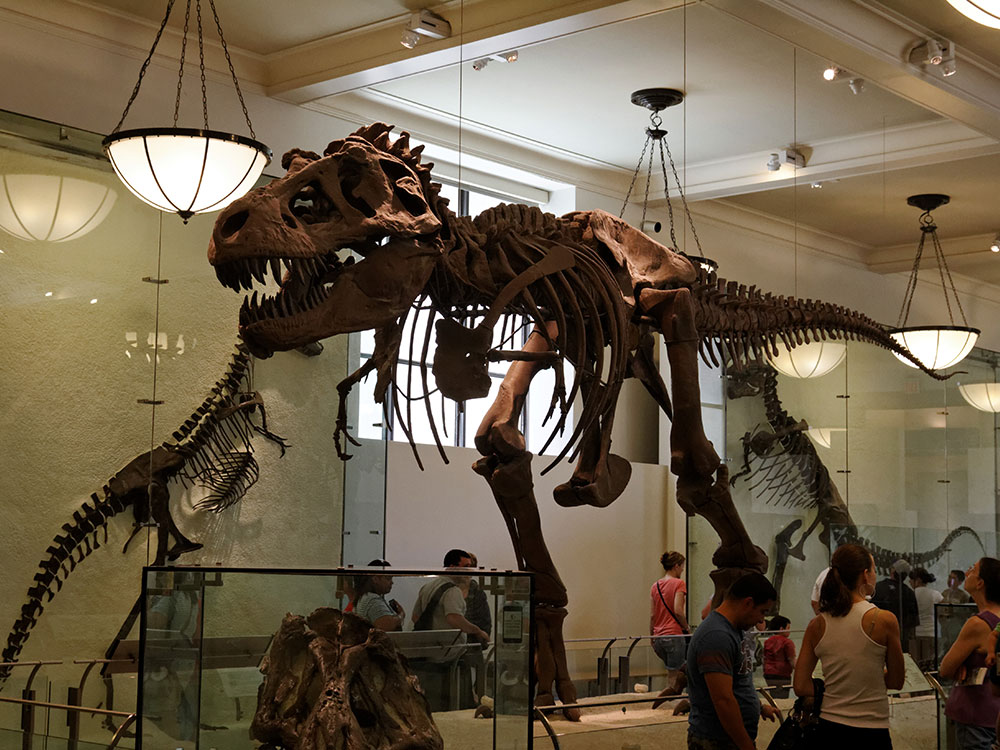 KimonBerlin, CC BY-SA 2.0, via Wikimedia Commons; Image Size Adjusted

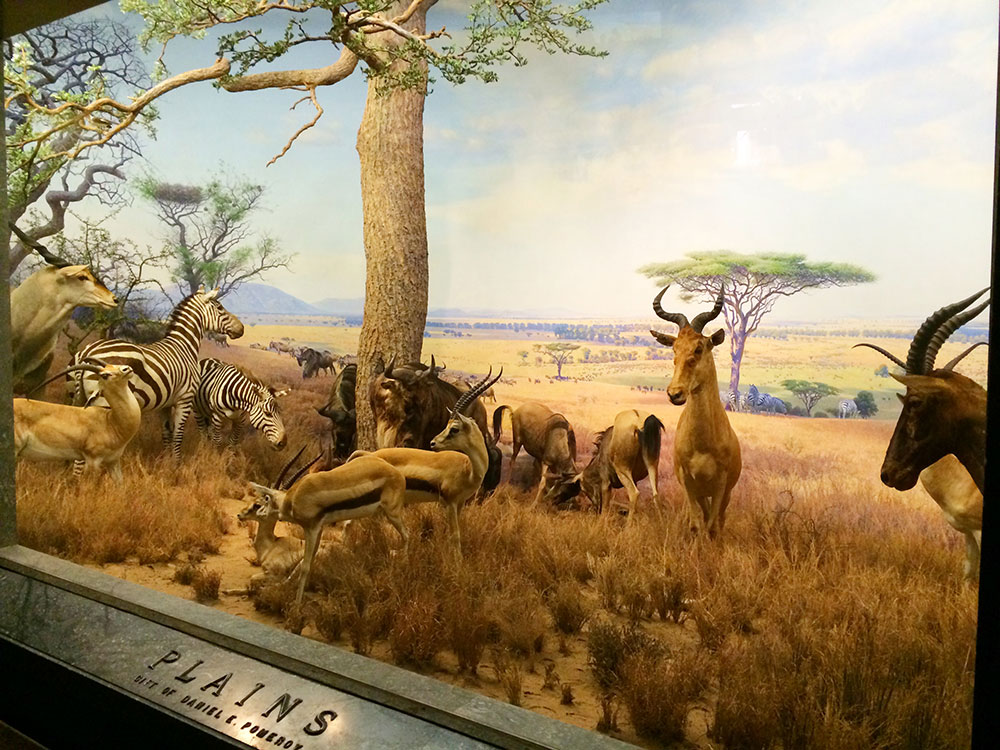 NComparato, CC BY-SA 3.0, via Wikimedia Commons; Image Size Adjusted

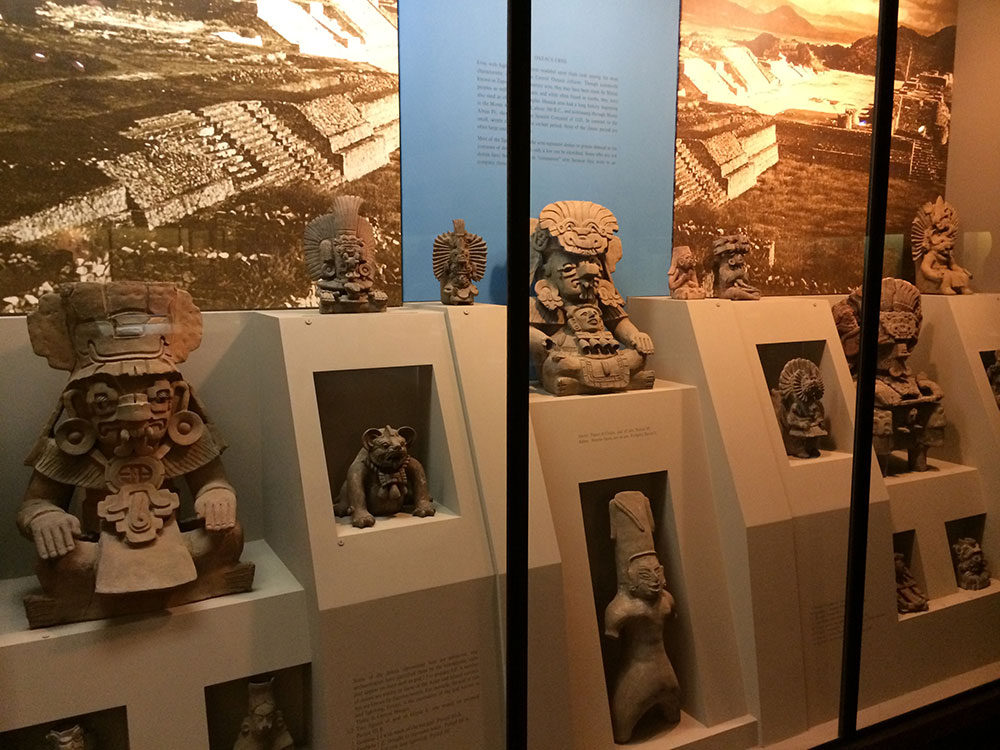 NComparato, CC BY-SA 4.0, via Wikimedia Commons; Image Size Adjusted
