
Iconic lakefront museum famed for its soaring, wing‑like architecture and world‑class collection—where art, design, and Milwaukee’s skyline meet on the shores of Lake Michigan.
General Information
Thursday: 10:00am–8:00pm
Friday–Sunday: 10:00am–5:00pm
Monday–Tuesday: Closed
Students, seniors (65+), military: $20
Children 12 & under: Free
Thursday evenings (4:00–8:00pm): Pay‑what‑you‑wish
700 N Art Museum Dr, Milwaukee, WI 53202
How to Get There
From downtown Milwaukee: Travel east toward Lake Michigan via East Michigan Street or East Wisconsin Avenue. The museum is accessible by car, bike, bus, or on foot, and is connected to downtown by the Reiman Pedestrian Bridge. Bike paths, nearby transit routes, and multiple parking garages serve the campus.
Overview
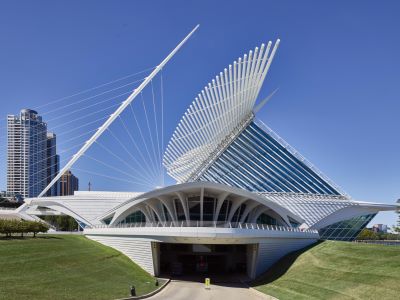
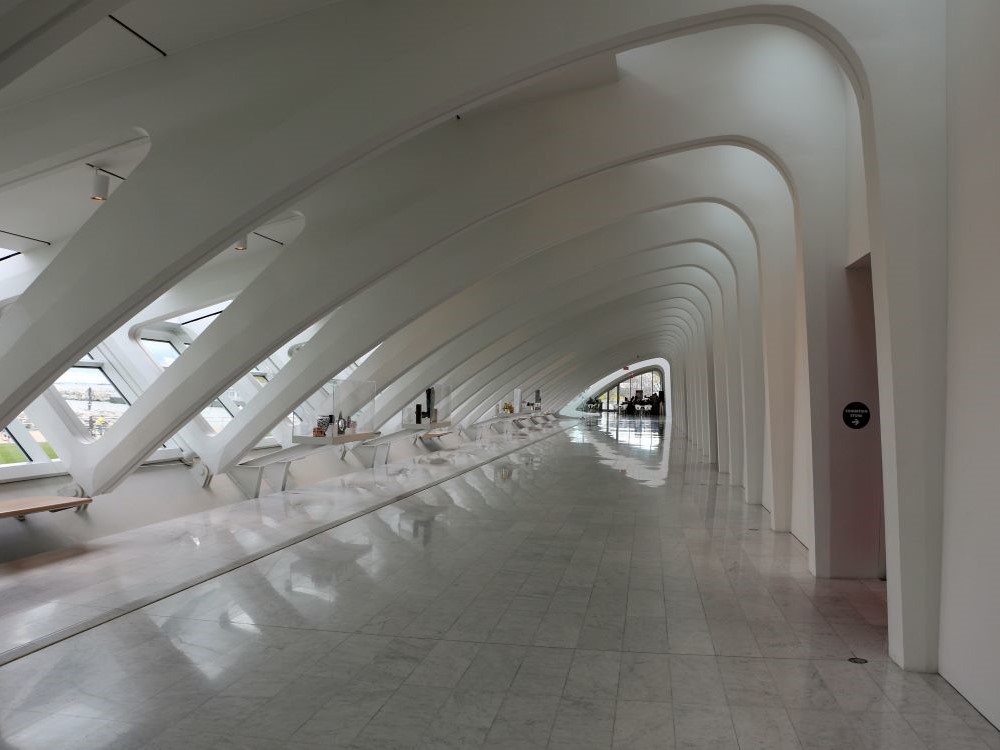
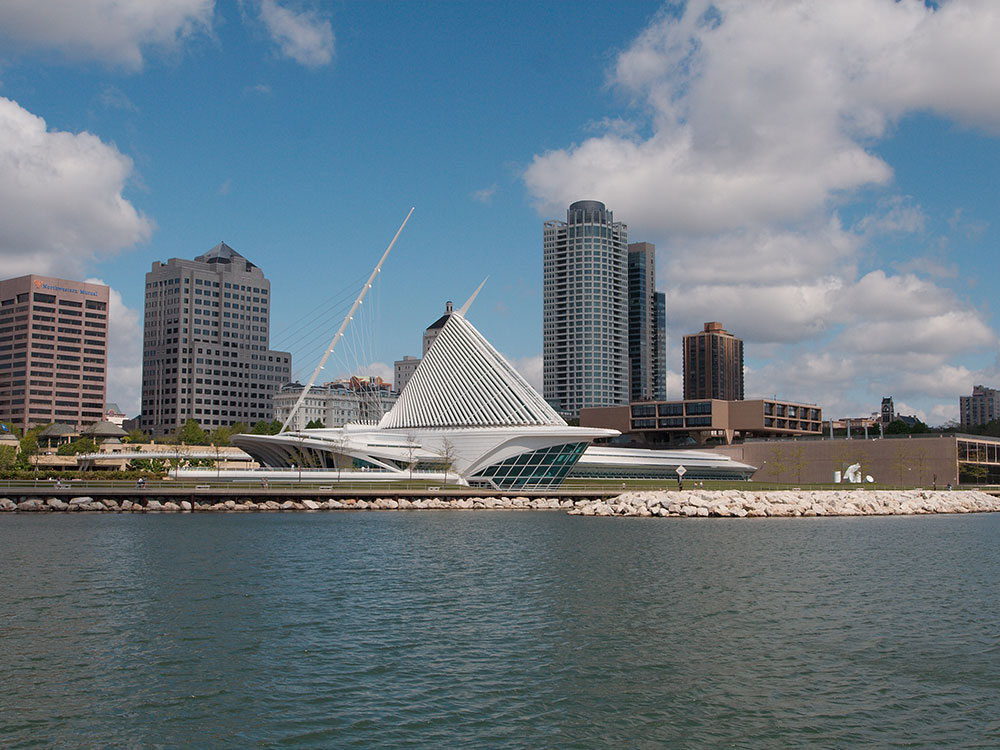
The Milwaukee Art Museum is one of Wisconsin’s most celebrated cultural institutions and an internationally recognized landmark of modern architecture. Founded in 1888, the museum today occupies a striking 24‑acre lakefront campus comprising buildings by three renowned architects: Eero Saarinen’s War Memorial Center, David Kahler’s modernist expansion, and Santiago Calatrava’s celebrated Quadracci Pavilion. The latter—instantly recognizable for its movable “wings,” formally known as the Burke Brise Soleil—opens and closes daily, transforming the museum itself into a kinetic sculpture overlooking Lake Michigan.
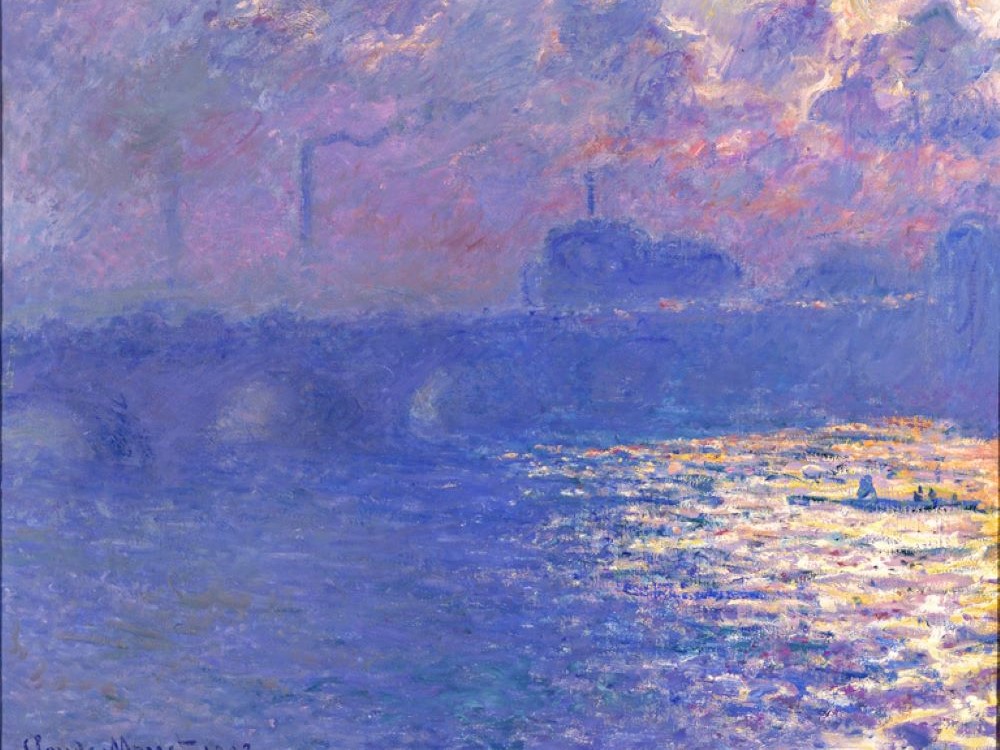
Inside, the museum houses a collection of roughly 35,000 works of art spanning antiquity to the present. Highlights include one of the nation’s most significant holdings of works by Wisconsin‑born artist Georgia O’Keeffe; strong collections of American decorative arts and post‑1960 American art; European paintings from the Renaissance through the 20th century; German Expressionist works; Haitian art; photography; prints and drawings; and contemporary design. Rotating exhibitions, educational programs, lectures, family studios, and special events ensure the galleries remain dynamic and engaging throughout the year.
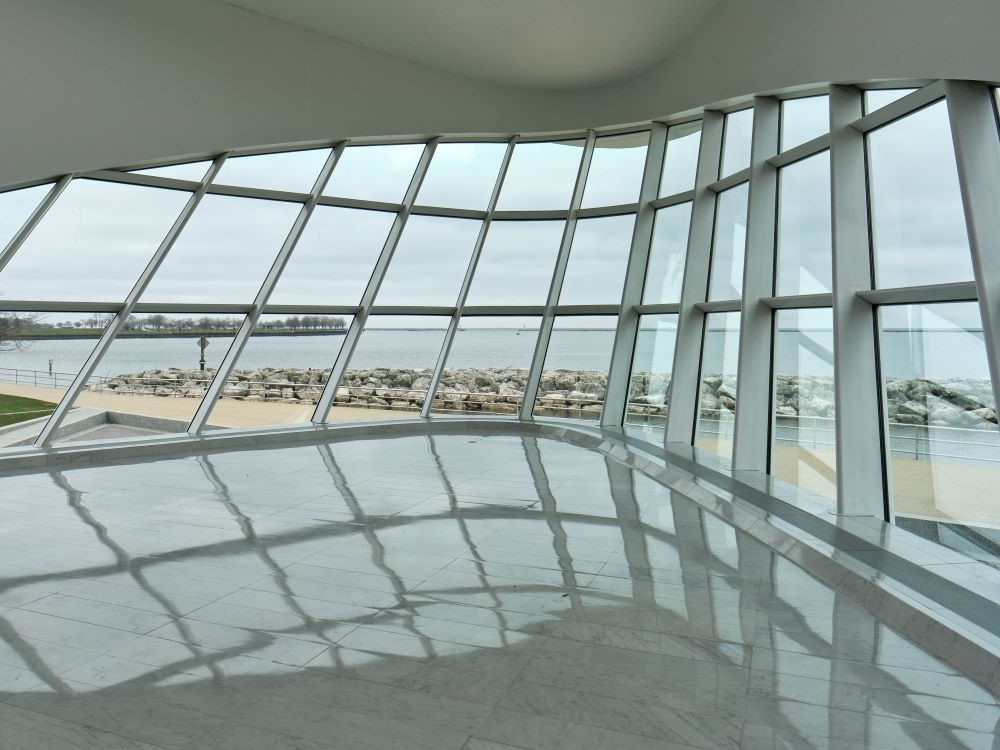
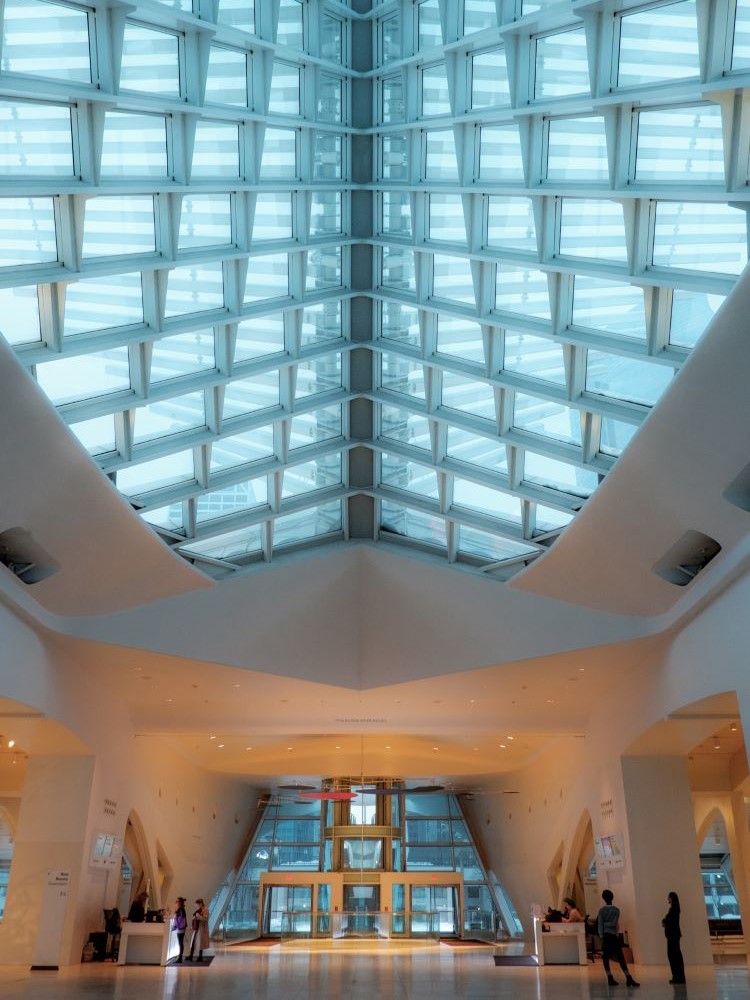
More than a gallery space, the Milwaukee Art Museum serves as a civic gathering place and symbol of the city’s creative identity. Expansive glass halls frame lake and skyline views, outdoor lawns host community activity, and connections to the lakefront trail system integrate art with everyday urban life. Whether arriving for architecture alone, a single exhibition, or a full day of exploration, the museum remains a defining experience—both a gateway to global art and a bold expression of Milwaukee’s cultural ambition.
This article uses material from official museum publications and publicly available historical resources related to the Milwaukee Art Museum, which are released under the Creative Commons Attribution-Share-Alike License 3.0.

-1000.jpg)
.jpg)



_Calatrava-1000.jpg)
_Calatrava.jpg)
-1000.jpg)
.JPG)