Madison Travel Guide
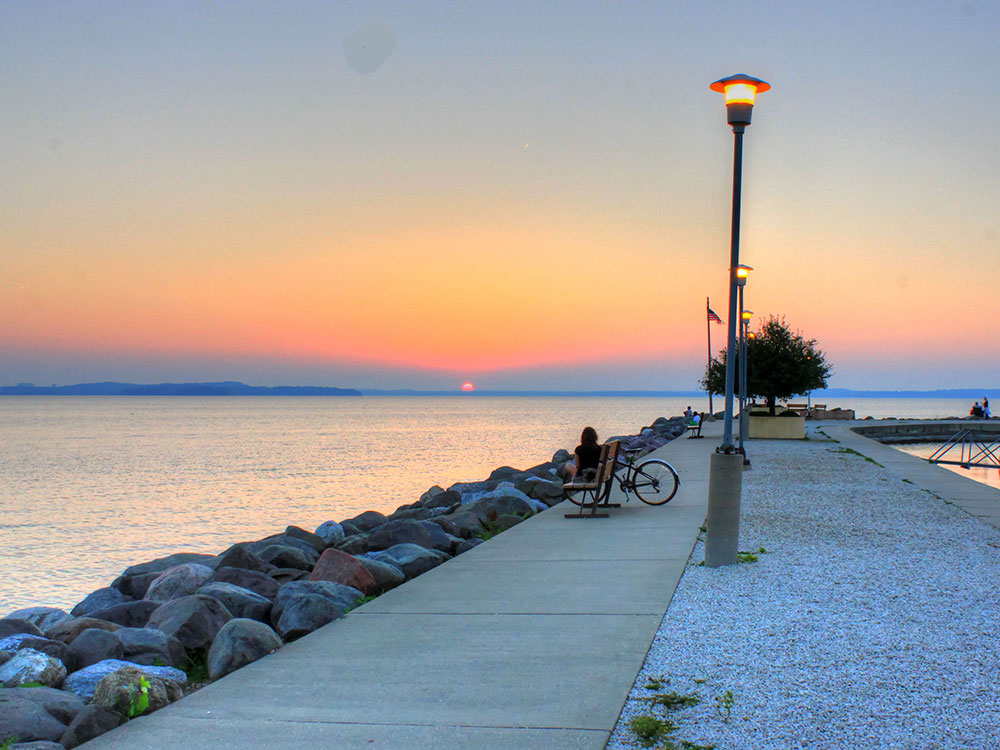
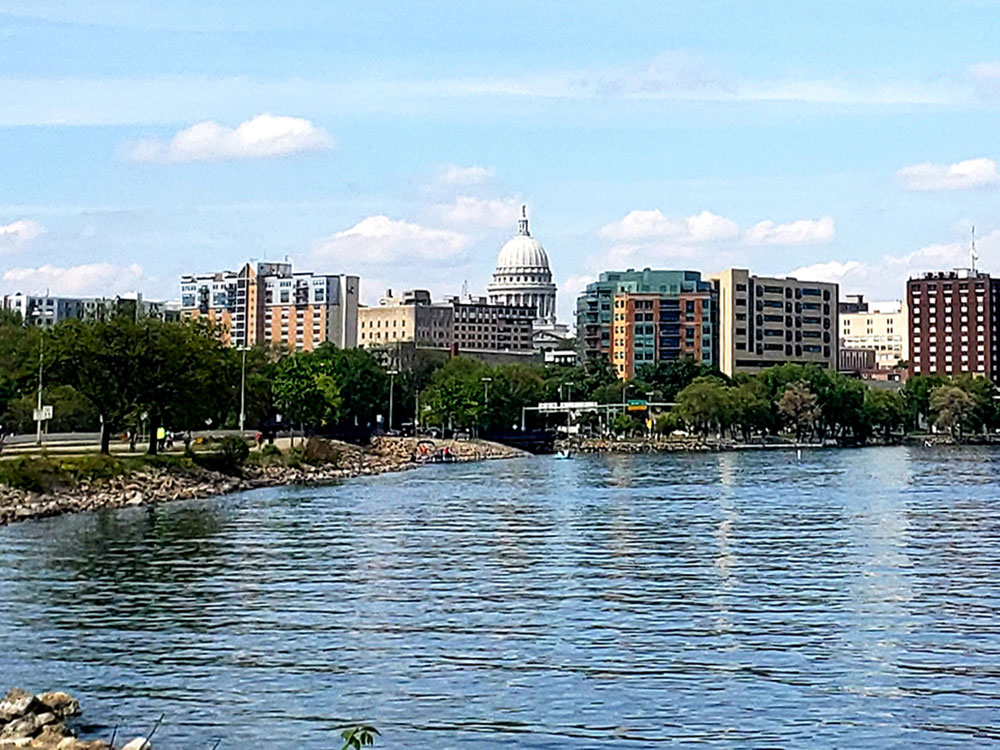
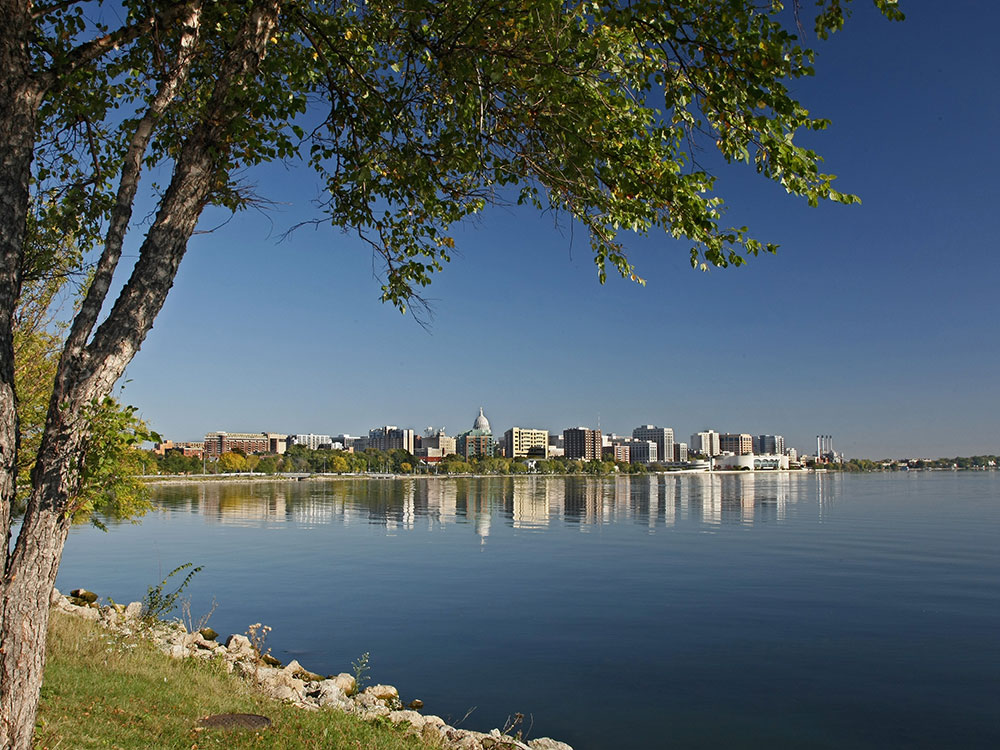
Capital of Wisconsin, city is named for American Founding Father and President James Madison, located on an isthmus and lands surrounding four lakes.
Places to See in Madison
Wikimapeditor, CC BY-SA 4.0, via Wikimedia Commons; Image Size Adjusted

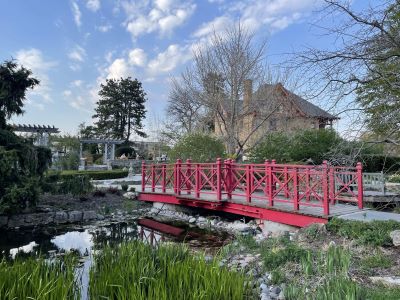
Allen Centennial Garden
Public botanical garden featuring diverse ornamental plant collections, themed landscapes, educational displays, and historic horticultural settings maintained by the University of Wisconsin–Madison.

Bubudu57, CC0, via Wikimedia Commons; Image Size Adjusted

Chazen Museum of Art
Museum featuring an extensive collection of paintings, sculptures, photographs, decorative arts, and contemporary works spanning thousands of years of artistic achievement.
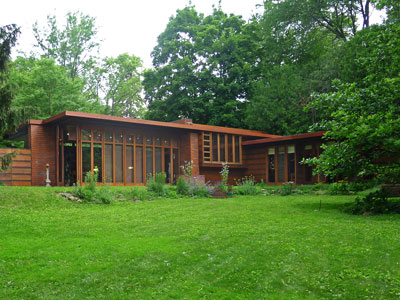
James Steakley, CC BY-SA 4.0, via Wikimedia Commons; Image Size Adjusted

Herbert and Katherine Jacobs First House
Single family home located in Madison, designed by noted American architect Frank Lloyd Wright
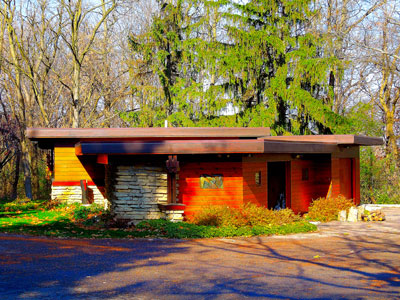
Corey Coyle, CC BY 3.0, via Wikimedia Commons; Image Size Adjusted

Herbert and Katherine Jacobs Second House
Historic house located in Madison, was the second of two designed by Frank Lloyd Wright for journalist Herbert Jacobs and his wife Katherine
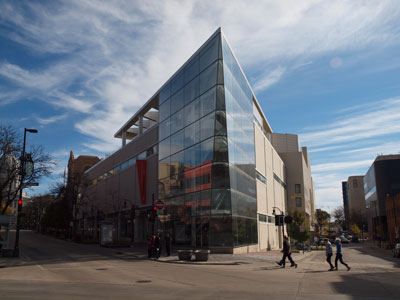
Franco Folini from San Francisco, USA, CC BY-SA 2.0, via Wikimedia Commons; Image Size Adjusted

Madison Museum of Contemporary Art
Art museum located in downtown Madison, dedicated to exhibiting, collecting, and preserving modern and contemporary art
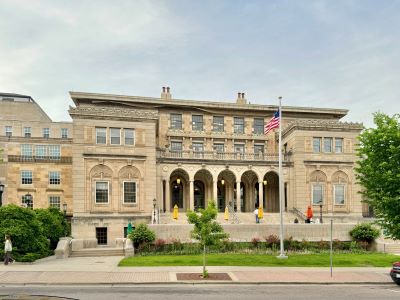
Warren LeMay, CC BY-SA 2.0, via Wikimedia Commons; Image Size Adjusted

Memorial Union
Historic student union featuring lakefront gathering spaces, dining venues, event halls, study areas, public art, and cultural programming centered around a vibrant waterfront terrace.
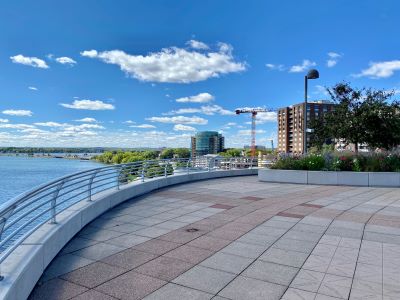
Warren LeMay, CC BY-SA 2.0, via Wikimedia Commons; Image Size Adjusted

Monona Terrace Community and Convention Center
Architecturally significant convention and community center featuring event spaces, public exhibits, rooftop gardens, lake views, and design elements inspired by Frank Lloyd Wright.
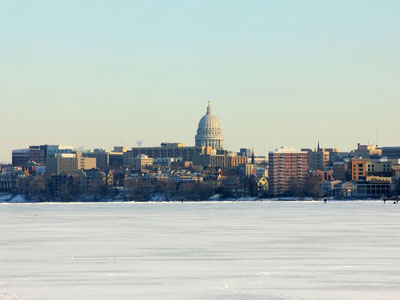
Corey Coyle, CC BY 3.0, via Wikimedia Commons; Image Size Adjusted

Olbrich Botanical Gardens
16 acre outdoor botanical garden and 10,000-square-foot conservatory in Madison
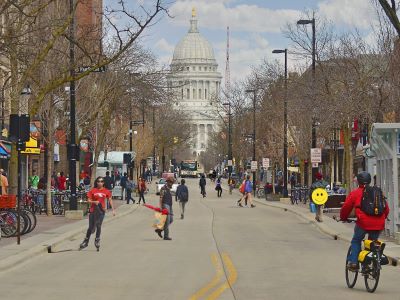
Richard Hurd, CC BY 2.0, via Wikimedia Commons; Image Size Adjusted

State Street
Pedestrian-oriented commercial corridor lined with shops, restaurants, entertainment venues, historic buildings, and public gathering spaces connecting downtown and the university district.
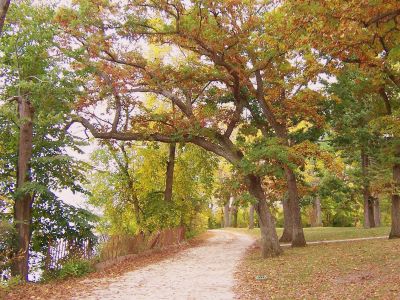
Daniel J Simanek (Tunads), CC BY-SA 3.0, via Wikimedia Commons; Image Size Adjusted

UW–Madison Lakeshore Nature Preserve
Expansive natural area featuring woodlands, prairies, wetlands, shoreline habitats, and scenic trails preserved for recreation, education, and ecological research.

Daderot, CC0, via Wikimedia Commons; Image Size Adjusted

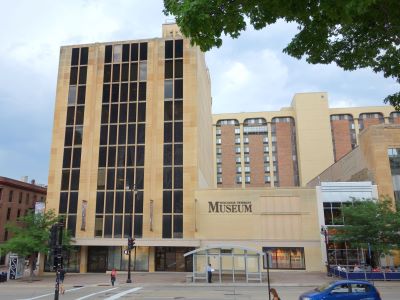
Wisconsin Historical Museum
Museum dedicated to preserving and interpreting the state's history through exhibits, artifacts, documents, and interactive displays spanning centuries of cultural and social development.
Lectrician2, CC BY-SA 4.0, via Wikimedia Commons; Image Size Adjusted

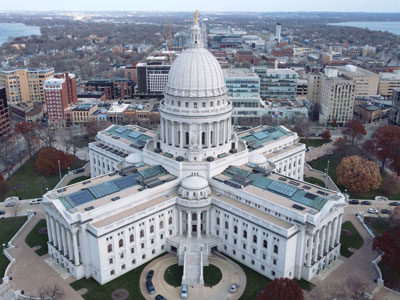
Wisconsin State Capitol
Capitol housing both chambers of the Wisconsin legislature and is the tallest building in Madison
Daderot, CC0, via Wikimedia Commons; Image Size Adjusted

Wisconsin Veterans Museum
Museum preserving and interpreting military history through exhibits, artifacts, personal stories, and interactive displays honoring the service and sacrifice of veterans across generations.
Overview
Madison is the capital of Wisconsin and the home of the University of Wisconsin-Madison, built on a narrow isthmus between Lake Mendota and Lake Monona in the south-central part of the state. It is known for the Wisconsin State Capitol, a granite-domed building at the center of the isthmus, for the Dane County Farmers' Market, which is the largest producer-only farmers market in the country, and for a lively campus atmosphere. The city is consistently ranked among the best places to live in the United States.
Visitors come to Madison for the Capitol and its square, for State Street, the pedestrian mall between the Capitol and the university, and for the Memorial Union Terrace on Lake Mendota. They also come for the Monona Terrace, designed by Frank Lloyd Wright, the Olbrich Botanical Gardens, Badgers football games, and the city's breweries and food scene, and the many lakes offer boating, swimming, and ice skating.
History
The Ho-Chunk people lived around the Four Lakes for thousands of years and built effigy mounds, many of which survive. The city was founded in 1836 by developer James Duane Doty, who bought the isthmus and persuaded the territorial legislature to make it the capital, and he named it for James Madison, who had died that year, and its streets for the signers of the Constitution. The University of Wisconsin opened in 1849, a year after statehood, and the city became known for its progressive politics, including the "Wisconsin Idea" of using the university's knowledge for the public good. Madison's economy is anchored by state government, the university, and healthcare and technology firms such as Epic Systems.
Sightseeing and Popular Landmarks
The Wisconsin State Capitol, completed in 1917, is the only state capitol with a granite dome and offers free tours and an observation deck, and Capitol Square hosts the Dane County Farmers' Market on Saturdays from April to November. State Street has shops, cafes, and restaurants, and the Monona Terrace has a rooftop garden overlooking Lake Monona. The Jacobs First House and Second House are Frank Lloyd Wright's Usonian designs, and the Allen Centennial Garden on the campus is a pleasant garden.
Culture and Museums
The Chazen Museum of Art, with free admission, has a collection of more than 20,000 works, and the Madison Museum of Contemporary Art on State Street is also free. The Wisconsin Historical Museum and the Wisconsin Veterans Museum are on Capitol Square, and the Overture Center for the Arts hosts Broadway tours, the Madison Symphony, and ballet. Concerts and festivals such as the Madison Jazz Festival and Taste of Madison fill the summer calendar, and the Memorial Union Terrace is the city's favorite place for a drink by the lake.
Parks
Madison has more than 270 parks and is surrounded by lakes. The UW-Madison Lakeshore Nature Preserve has trails along Lake Mendota, Olbrich Botanical Gardens has a tropical conservatory and Thai pavilion, and the Capital City State Trail and the Southwest Commuter Path are popular with bikers. Picnic Point is a favorite walk for sunsets, and the Arboretum, Vilas Park Zoo, and Governor Nelson State Park are also nearby. In winter, the lakes freeze for ice fishing and skating.
Seasons and Weather
Madison has a humid continental climate with four distinct seasons. Summers are warm and humid, with highs in the 80s°F, and winters are cold and snowy, with highs in the 20s and 30s°F and about 50 inches of snow. Spring and fall are pleasant but short, and summer is the best time for the lakes and the farmers' market, while winter has Badgers hockey and ice festivals.
This article uses material from Wikipedia as well as information from official tourism and institutional sources. Key references include Destination Madison, Wisconsin State Capitol, Dane County Farmers' Market, Chazen Museum of Art, Monona Terrace, Olbrich Botanical Gardens, and National Weather Service Milwaukee. Wikipedia material is from the articles "Madison, Wisconsin" and "History of Madison, Wisconsin", and is available under the Creative Commons Attribution-Share-Alike License 3.0.