
Expansive natural area featuring woodlands, prairies, wetlands, shoreline habitats, and scenic trails preserved for recreation, education, and ecological research.
General Information
- Hours:
- Daily: 4:00am to 10:00pm
- Fees:
- Free
- Pet Policy:
- Dogs are allowed on designated trails and areas when kept on a leash; pets are prohibited in certain ecologically sensitive sections
- Closest cities with hotels:
- Madison
- Seasons:
- All year; spring for wildflowers, summer for lakeside recreation, fall for foliage, and winter for snow-covered trails
- Location:
- UW–Madison Lakeshore Nature Preserve, Madison, WI
- Website:
- lakeshorepreserve.wisc.edu
How to Get There
From Downtown Madison (4 mi): Take University Avenue west toward the University of Wisconsin campus, continue to Lake Mendota along Observatory Drive, and follow preserve access signs to the trailheads and shoreline areas.
Overview
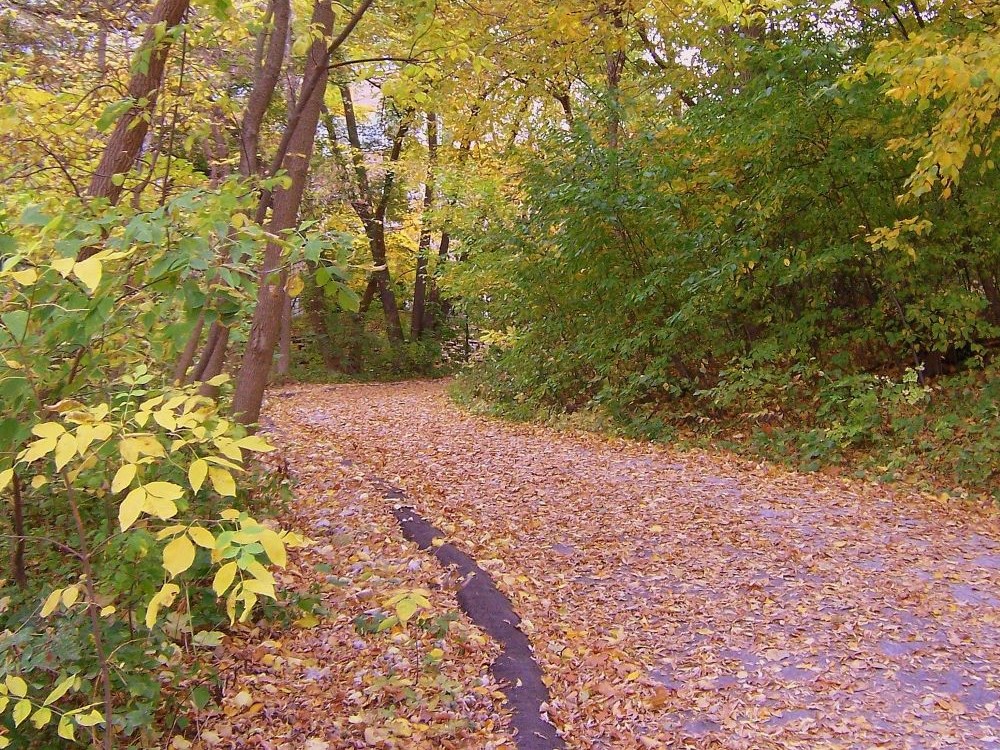
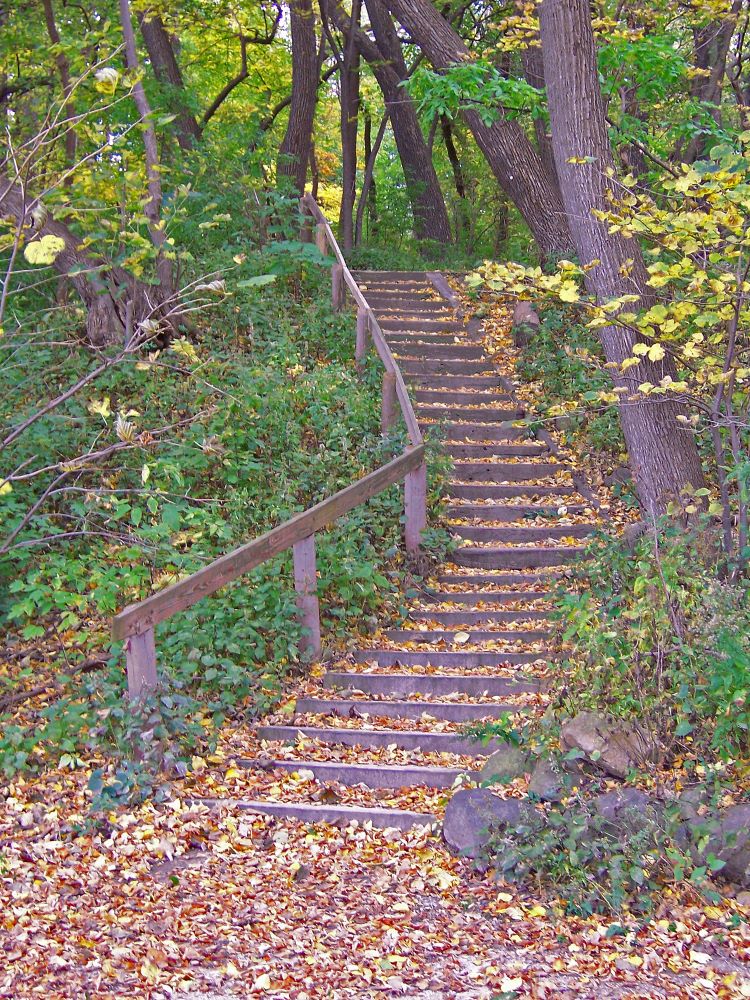
The UW–Madison Lakeshore Nature Preserve protects more than 300 acres of natural landscapes along the southern shore of Lake Mendota, creating one of the largest and most ecologically significant green spaces in Madison. The preserve encompasses forests, savannas, prairies, wetlands, and lakeshore habitats that support a remarkable diversity of plants and wildlife. Miles of trails wind through these varied environments, offering visitors opportunities to experience peaceful woodlands, dramatic lake views, and restored native ecosystems just minutes from the center of the city.
Originally shaped by glaciers and later influenced by Indigenous communities and university researchers, the preserve today serves as both an outdoor classroom and a treasured recreational destination. Visitors can explore landmarks such as Picnic Point, Eagle Heights Woods, and the Biocore Prairie while observing seasonal wildflowers, migratory birds, and native vegetation. Throughout the year, educational programs, volunteer restoration efforts, and scientific research help maintain the area's ecological health, making the preserve an exceptional destination for hikers, nature enthusiasts, photographers, and anyone seeking a quiet connection with Wisconsin's natural heritage.
This article uses material from the Wikipedia articles and official tourism pages for the https://lakeshorepreserve.wisc.edu/, which are released under the Creative Commons Attribution-Share-Alike License 3.0.