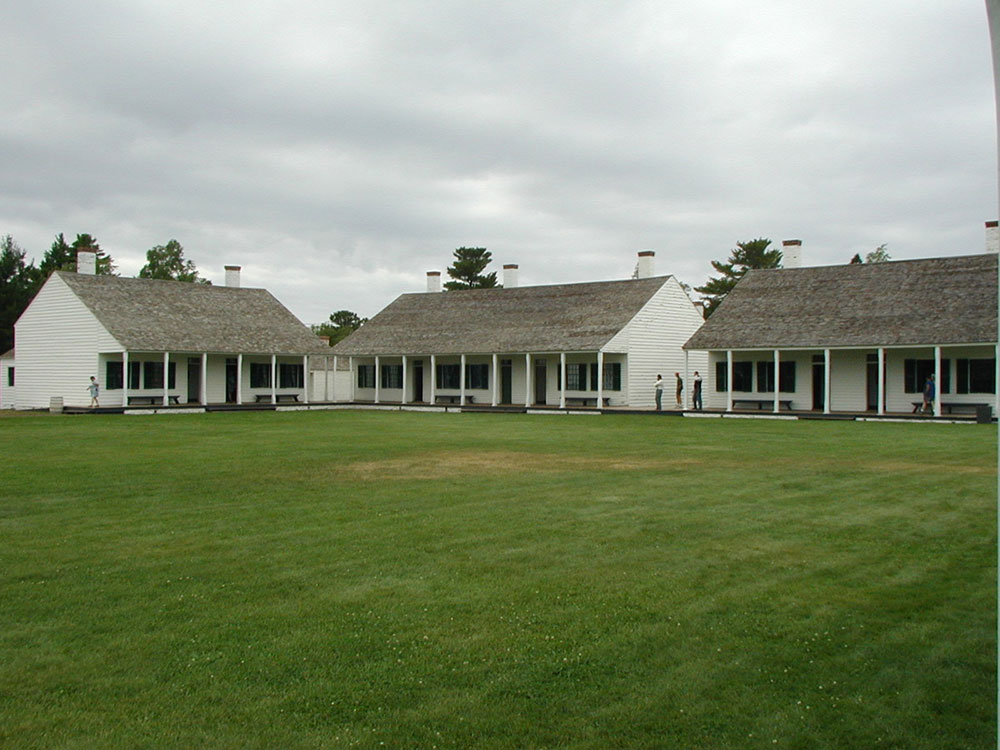
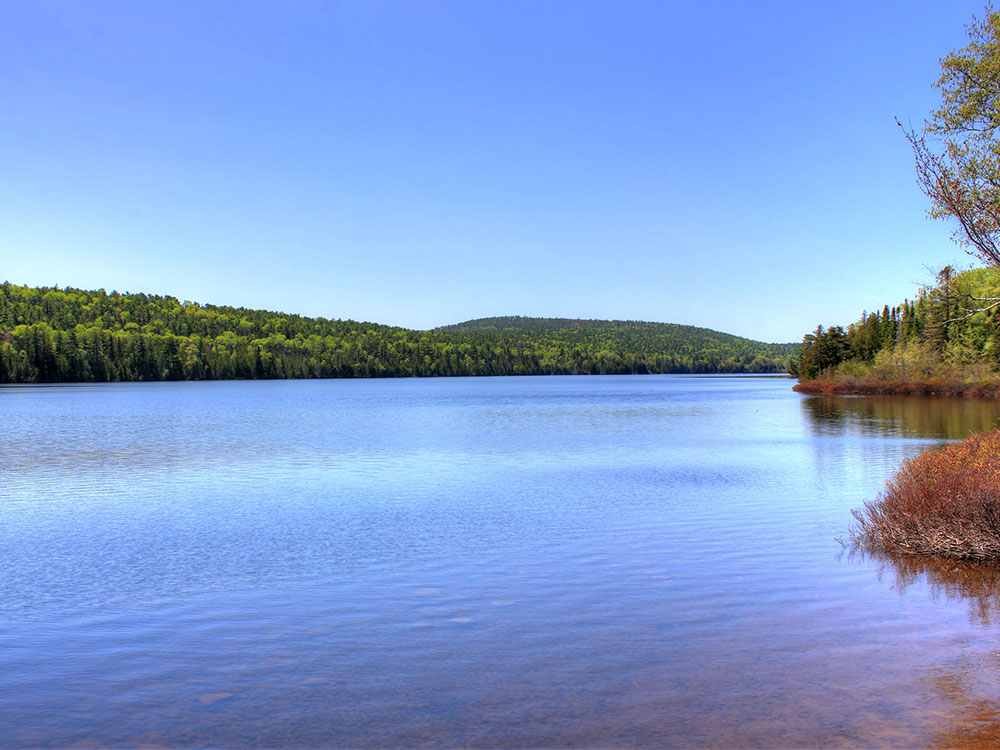
Park preserving the restored 1844 army military outpost, Fort Wilkins
General Information
Fort Wilkins historic buildings and living history programs operate seasonally beginning in mid-May
Allow at least 2 hours to tour the historic fort
A Michigan Recreation Passport is required for vehicle entry into Fort Wilkins Historic State Park
How to Get There
From AmericInn by Wyndham Calumet (approximately 41 mi): Take US-41 N through Calumet, Phoenix, and into Copper Harbor, then continue to the northern end of town where Fort Wilkins Historic State Park is located on US Highway 41.
Overview
Fort Wilkins Historic State Park is a historical park operated by the Michigan Department of Natural Resources at Copper Harbor, Michigan. The park preserves the restored 1844 army military outpost, Fort Wilkins, which was placed on the National Register of Historic Places in 1970. The state park's 700 acres (280 ha) include camping and day-use facilities as well as the Copper Harbor Lighthouse, built in 1866. The park is a "Cooperating Site" of the Keweenaw National Historical Park.
Things to Do
Step Back into Michigan's Copper Rush Era
Fort Wilkins Historic State Park is located in Copper Harbor at the northern tip of Michigan's Keweenaw Peninsula. The park preserves Fort Wilkins, a reconstructed 1844 military outpost established during the Copper Rush to maintain order among miners and prospectors. Today, visitors can explore military history, Lake Superior shorelines, forests, campgrounds, and scenic trails within one of Michigan's most unique state parks.
Tour the Historic Fort
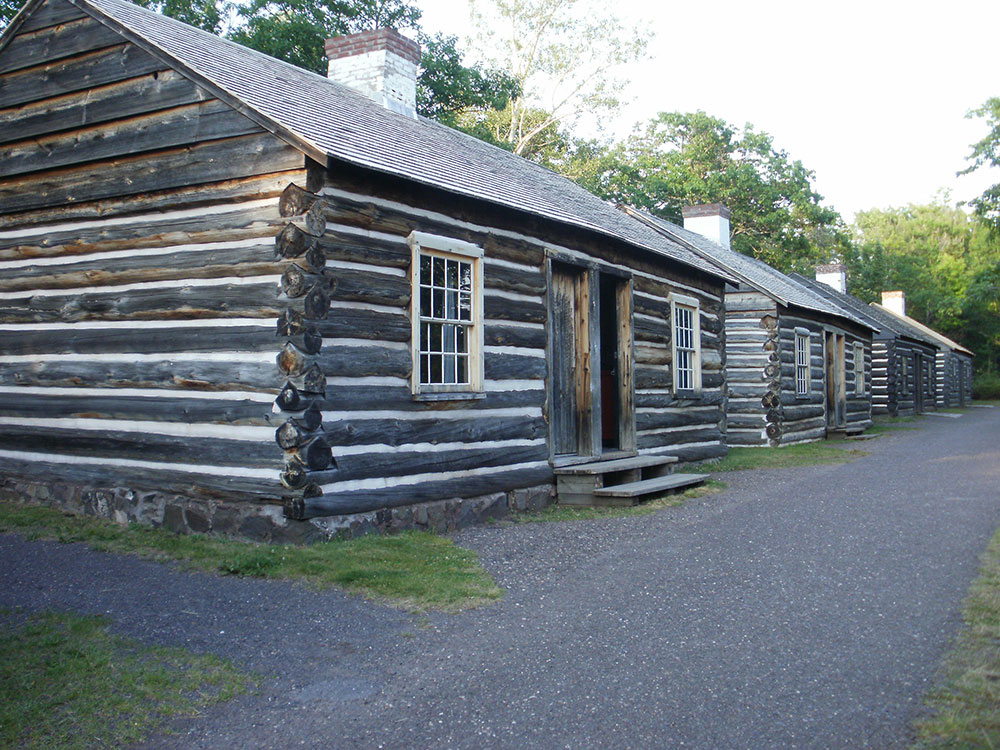
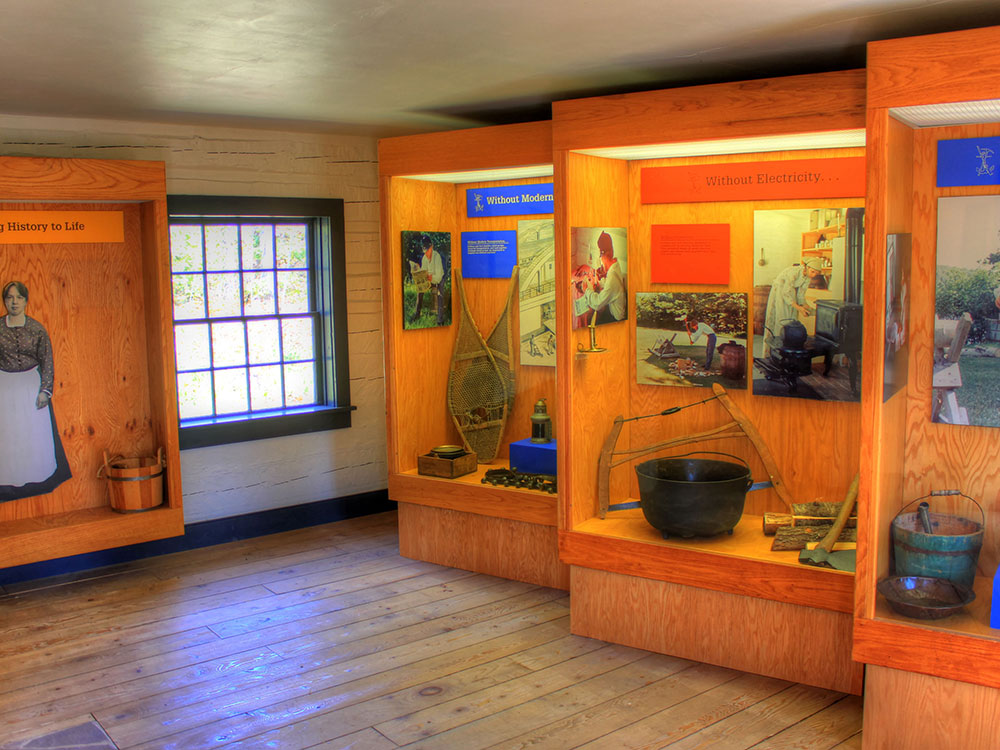
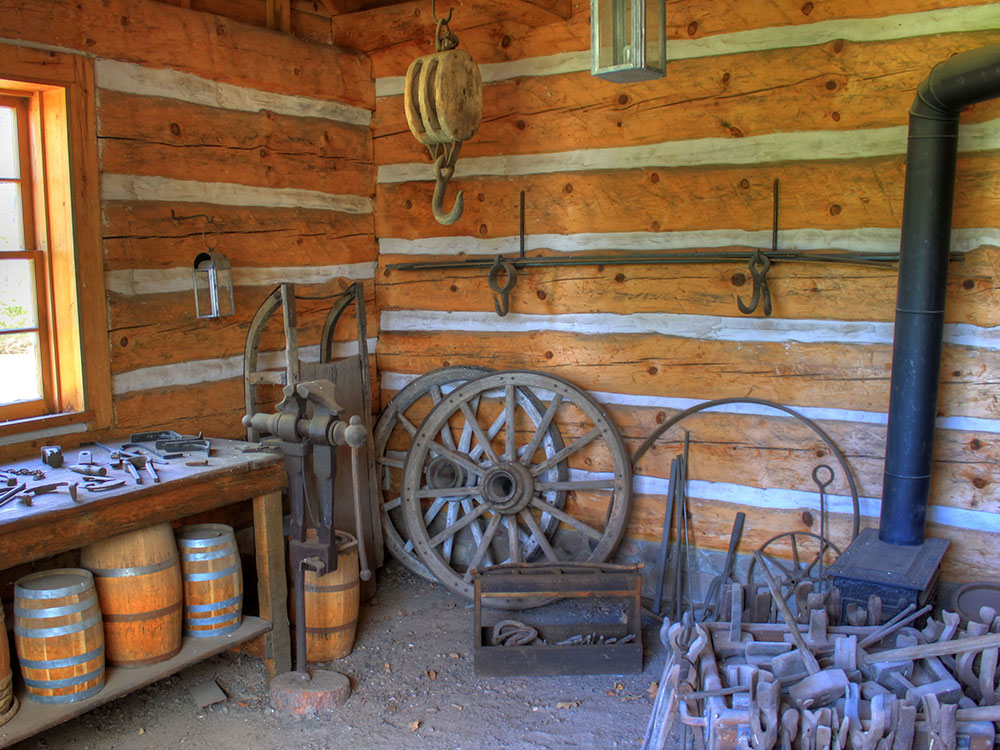
The centerpiece of the park is the restored Fort Wilkins complex, featuring original and reconstructed buildings furnished to reflect military life in the mid-nineteenth century. Visitors can explore barracks, officer quarters, storehouses, and exhibits while learning about the soldiers, miners, and settlers who lived in Michigan's remote frontier.
Experience Living History Programs
During the summer season, interpreters often present demonstrations, reenactments, and educational programs that showcase daily life at the fort during the Copper Rush era. These programs provide insight into military duties, frontier challenges, and regional history.
Explore Lake Superior Shorelines
The park offers access to beautiful stretches of Lake Superior shoreline featuring rocky beaches, scenic views, and opportunities for photography. Visitors can enjoy watching freighters, observing wildlife, and experiencing the natural beauty that makes the Keweenaw Peninsula famous.
Camp and Enjoy Outdoor Recreation
Fort Wilkins State Park offers campgrounds, boating access, fishing opportunities, hiking trails, and wildlife viewing. The park serves as an excellent base for exploring nearby attractions such as Brockway Mountain Drive, Hunter's Point, Estivant Pines, and the Copper Harbor trail system.
Top Trails
Fort Wilkins Historic Trail
Length: Approximately 1 mile loop
Elevation Gain: Minimal
Difficulty: Easy
This self-guided walking route connects the historic buildings throughout the fort and provides interpretive information about military operations, frontier settlement, and the Copper Rush. It is an excellent introduction to the history of the region.
Lake Superior Shoreline Trail
Length: Approximately 2 miles round trip
Elevation Gain: Minimal
Difficulty: Easy
Following sections of the Lake Superior shoreline, this trail offers beautiful water views, rocky beaches, and opportunities to observe birds, native plants, and changing lake conditions throughout the seasons.
Fort Wilkins Nature Trail
Length: Approximately 1.5 miles loop
Elevation Gain: Minimal to Moderate
Difficulty: Easy
This scenic trail passes through forests and natural habitats surrounding the fort. Visitors can enjoy wildlife viewing, birdwatching, and a peaceful hike through the northern woodlands of the Keweenaw Peninsula.
Copper Harbor Trail Connections
Length: Variable distances available
Elevation Gain: Moderate to Strenuous
Difficulty: Easy to Expert
The park connects visitors to nearby trail systems throughout Copper Harbor, offering additional opportunities for hiking, mountain biking, nature photography, and exploring the region's rugged landscapes and scenic overlooks.
Sources: Michigan Department of Natural Resources official Fort Wilkins Historic State Park information, including details on the historic fort, military history, camping, hiking trails, shoreline access, and visitor amenities. https://www.michigan.gov/dnr/places/state-parks/fort-wilkins-historic-state-park
Additional information verified through Michigan DNR visitor resources and Copper Harbor tourism information covering Fort Wilkins, Copper Rush history, trail systems, living history programs, and recreational opportunities throughout the Keweenaw Peninsula.
The U.S. Army occupied Fort Wilkins, located east of Copper Harbor, Michigan on the strait of land between Copper Harbor and northern shore of Lake Fanny Hooe, in 1844. The troops stationed there were intended to help with local law enforcement and to keep the peace between miners and the local Ojibwas and some Chippewa who opposed the Treaty of La Pointe that had ceded the area to the United States in 1842-1843.
However, the fort proved to be unnecessary. The Chippewa largely accepted the influx, and the miners were law-abiding. The Army built 27 structures, including a guardhouse, powder magazine, 7 officer's quarters, two barracks, two mess halls, hospital, storehouse, sutler's store, quartermaster's store, bakery, blacksmith's shop, carpenter's shop, icehouse, four quarters for married enlisted men, stables, and a slaughter house, to house the operations of two full-strength infantry companies. Several of these structures still survive. Others have been rebuilt following archaeological excavations. The army permanently abandoned the facility at the end of August 1870.
In 1848, the Copper Harbor Lighthouse complex was begun on the tip of the eastern point of land, also sometimes called Hays Point, that sits at the entrance of the harbor. In 1923, the fort and adjacent lighthouse became a Michigan state park. The facility is open to the public in summer months, when it is staffed by costumed personnel who portray Army life during the fort's final summer as an active post.
This article uses material from the Wikipedia article "Fort Wilkins Historic State Park", which is released under the Creative Commons Attribution-Share-Alike License 3.0