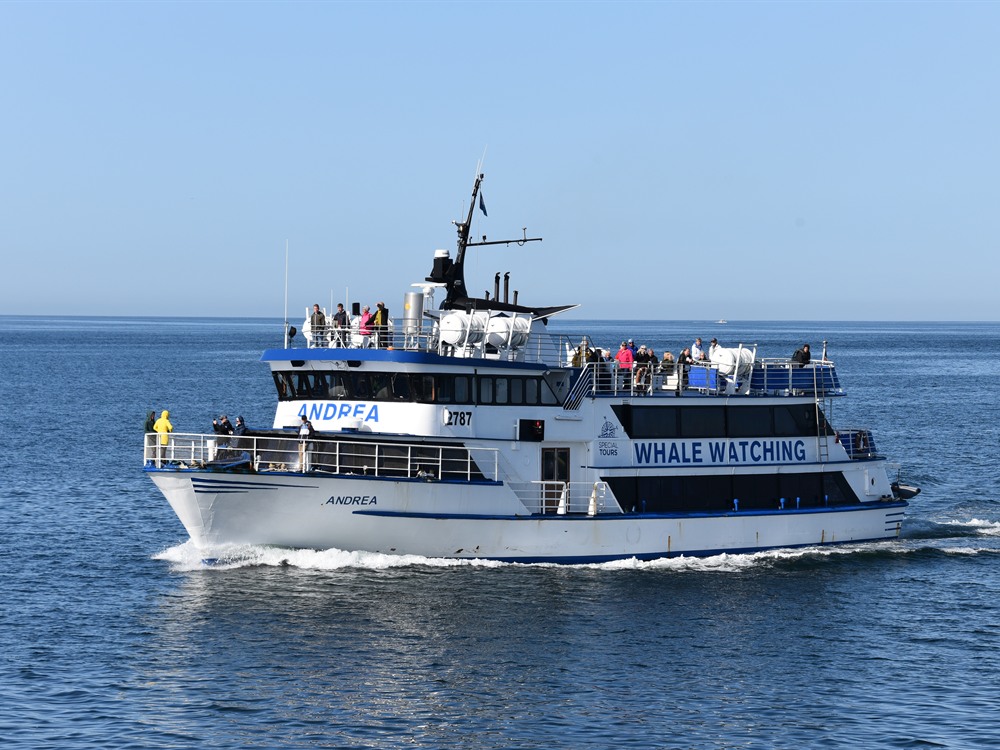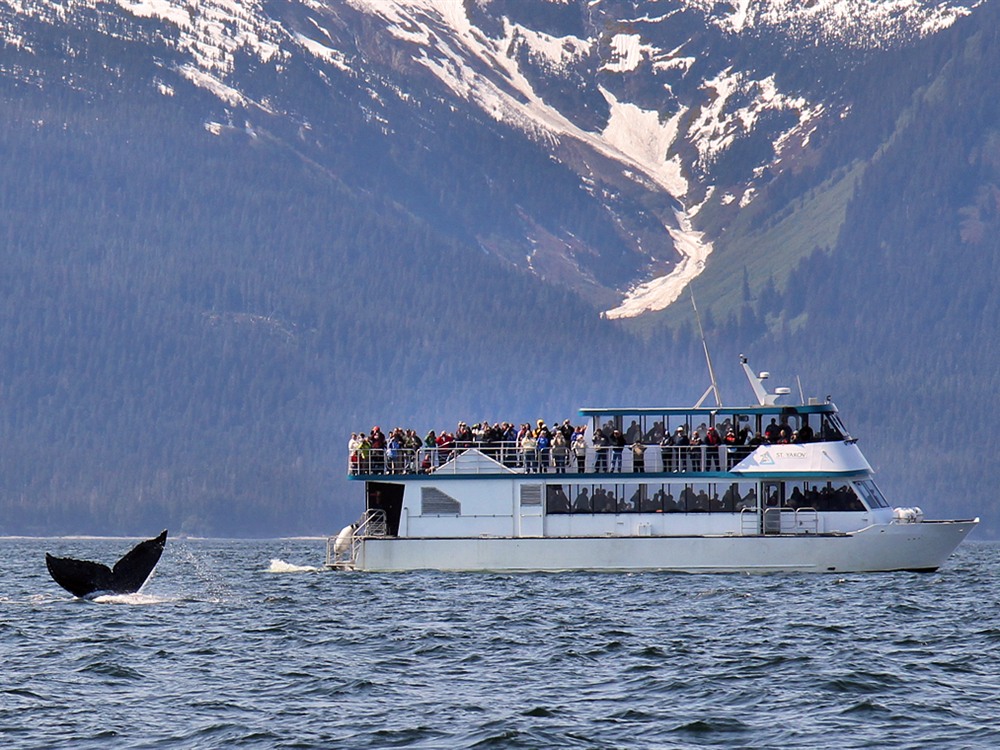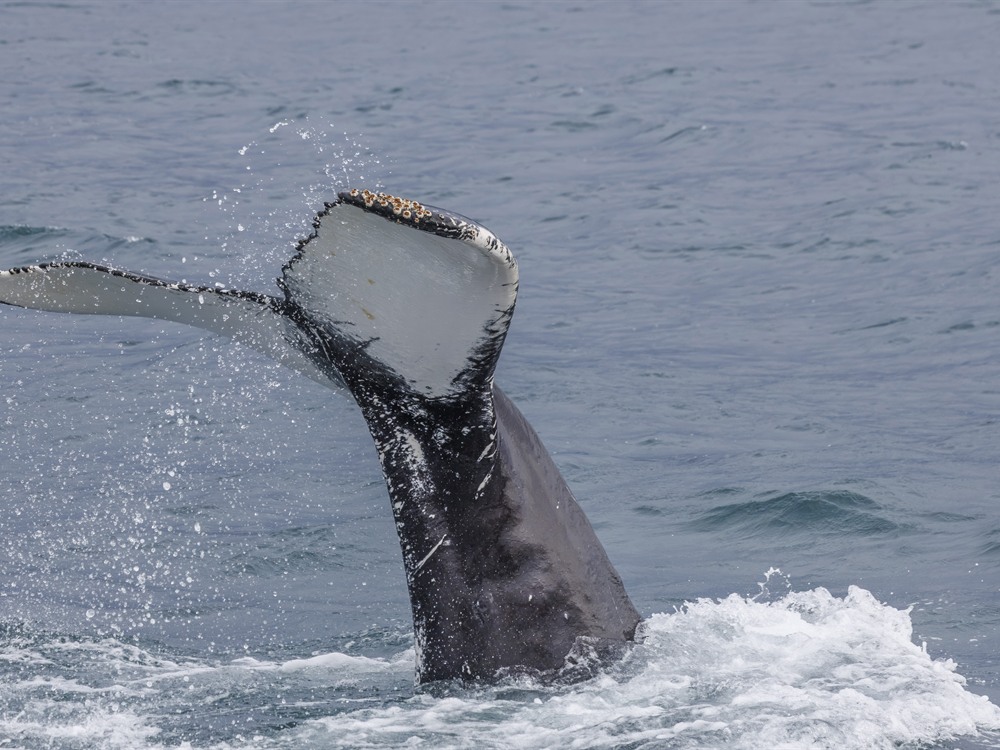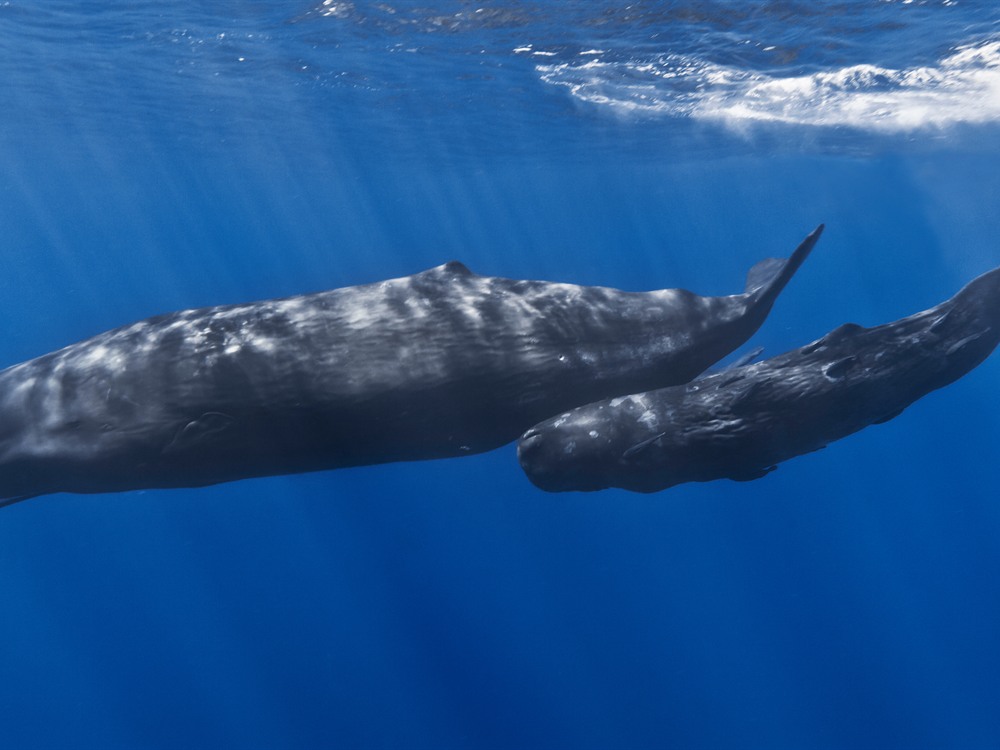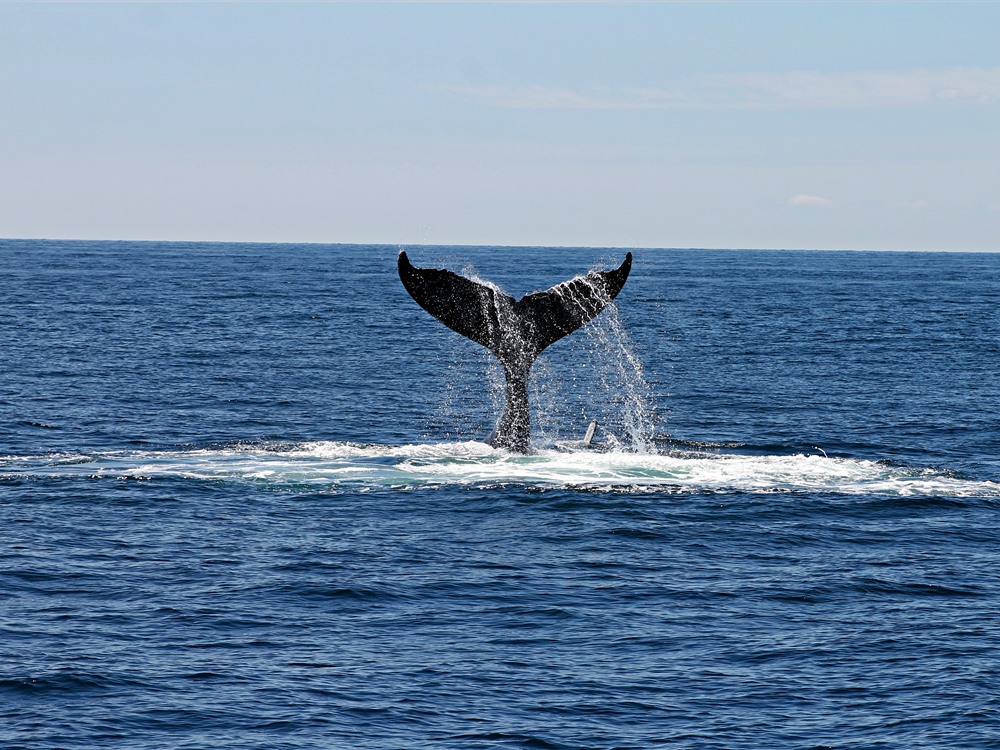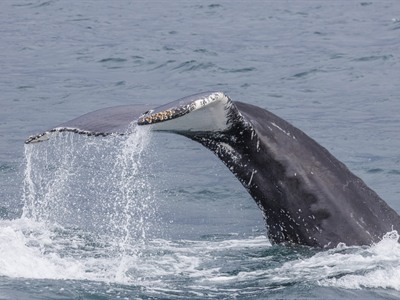
Marine wildlife viewing excursion where participants observe whales and other ocean animals from boats while learning about their behavior, migration, and habitat.
General Information
Overview
Whale watching is a popular wildlife tourism activity that allows participants to observe some of the world's largest marine mammals in their natural environment. Guided excursions typically take visitors aboard specialized vessels that travel to known feeding, breeding, or migration areas where whales are commonly found. Depending on the location and season, travelers may encounter humpback whales, gray whales, blue whales, orca whales, minke whales, and other marine species. The activity combines outdoor recreation with opportunities for education, photography, and wildlife appreciation.
The United States offers numerous world-class whale watching destinations along both the Atlantic and Pacific coasts, as well as in Alaska and Hawaii. California is known for gray whale migrations and blue whale sightings, while Alaska attracts visitors hoping to observe humpback whales feeding during the summer months. Hawaii is particularly famous for winter humpback whale migrations, which bring large numbers of whales close to shore. Many tour operators provide naturalist guides who explain whale behavior, migration patterns, marine ecosystems, and conservation efforts throughout the journey.
Whale watching is generally considered an easy and family-friendly activity because it requires little physical effort and no specialized skills. Most tours last between two and six hours, allowing enough time to travel to productive viewing areas and observe wildlife. Viewing opportunities are often tied to seasonal migrations, making timing an important consideration when planning a trip. With its combination of scenic ocean travel, educational value, and the excitement of encountering whales in the wild, whale watching remains one of the most memorable nature-based experiences available in the United States.
This article uses material from the Wikipedia articles and official tourism, marine wildlife, and whale watching resources related to whale watching in the United States, which are released under applicable licenses including the Creative Commons Attribution-Share-Alike License 3.0.