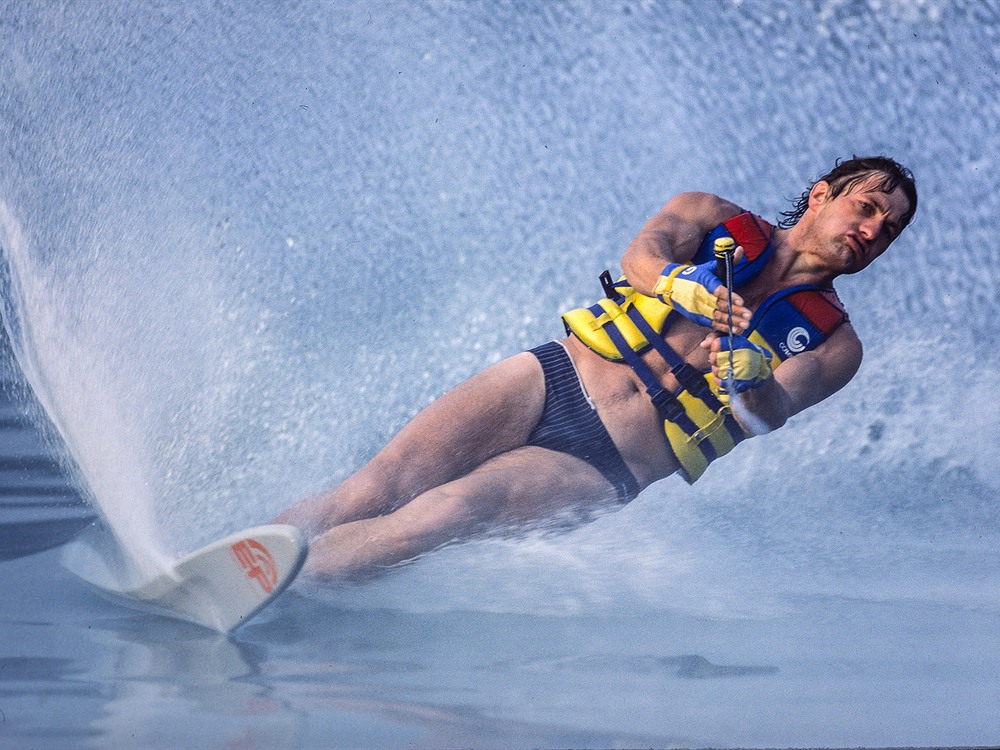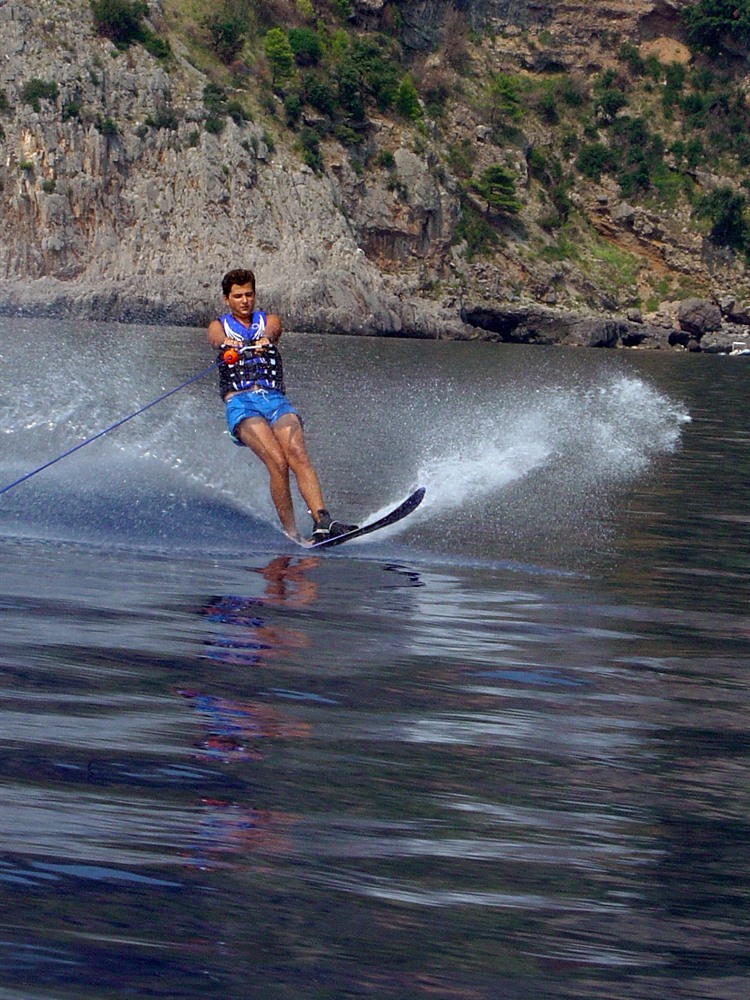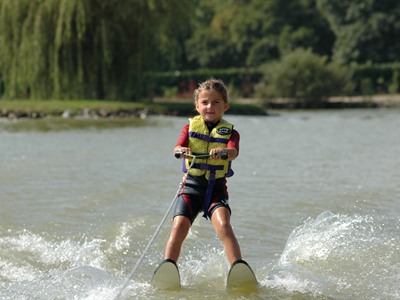
Tow-behind water sport where participants glide across the water on skis while being pulled by a motorboat, combining speed, balance, and athletic skill.
General Information
Overview
Waterskiing is a classic recreational watersport in which participants are pulled behind a motorboat while standing on one or two skis. As the boat accelerates, the skier rises from the water and glides across the surface, using balance and body positioning to maintain control. Since becoming popular in the United States during the twentieth century, waterskiing has remained a favorite activity on lakes, rivers, and other calm waterways, offering both casual recreation and competitive opportunities.
The sport is enjoyed by people of varying ages and experience levels, with many resorts, marinas, and watersports centers offering lessons and equipment rentals. Beginners typically learn deep-water starts, turning, and basic control techniques, while advanced skiers may progress to slalom skiing, jumping, and trick skiing. Because boats create controlled towing conditions, participants can steadily build confidence and skills while enjoying scenic waterways throughout the country.
Waterskiing is generally considered a moderate-difficulty activity because successfully standing and maintaining balance behind a moving boat requires practice and coordination. Most recreational outings take place during warmer months when water conditions are comfortable, although some southern states support the sport year-round. Sessions often last several hours with multiple runs, allowing participants plenty of opportunities to improve. Combining speed, exercise, and outdoor recreation, waterskiing remains one of the most enduring and widely recognized towing sports in the United States.
This article uses material from the Wikipedia articles and official watersports, recreation, and tourism resources related to waterskiing in the United States, which are released under applicable licenses including the Creative Commons Attribution-Share-Alike License 3.0.