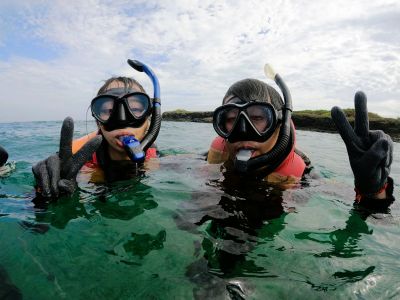
Underwater sightseeing experience where participants ride in a submerged vessel to observe fish, coral reefs, shipwrecks, and other marine environments without getting wet.
General Information
Overview
Underwater fish observation by submarine offers a unique way to experience marine environments without the need for swimming, snorkeling, or scuba diving. Passengers board specially designed tourist submarines that descend below the surface, providing large viewing ports through which fish, coral reefs, and other underwater features can be observed. The activity is especially popular among families, older travelers, and individuals who wish to explore underwater ecosystems while remaining dry and comfortable.
Several destinations in the United States and its territories offer submarine excursions, particularly in areas known for clear water and abundant marine life. Hawaii is among the most famous locations, where submarine tours frequently visit reef systems and shipwreck sites that attract colorful tropical fish. Similar experiences can be found in places such as Guam, Puerto Rico, and the U.S. Virgin Islands. Most operators provide narration during the trip, allowing visitors to learn about local marine ecosystems, geology, and conservation efforts.
The activity is widely regarded as one of the easiest marine sightseeing experiences available because no special skills or physical fitness are required. Most tours last between forty-five minutes and two hours and are suitable for a broad range of ages. Since passengers remain inside a climate-controlled vessel, underwater submarine tours can be enjoyed throughout much of the year in warm-water destinations. The combination of accessibility, education, and close-up views of marine life makes submarine observation a memorable alternative to traditional water activities.
This article uses material from the Wikipedia articles and official tourism and submarine tour resources related to underwater sightseeing submarine experiences in the United States, which are released under applicable licenses including the Creative Commons Attribution-Share-Alike License 3.0.