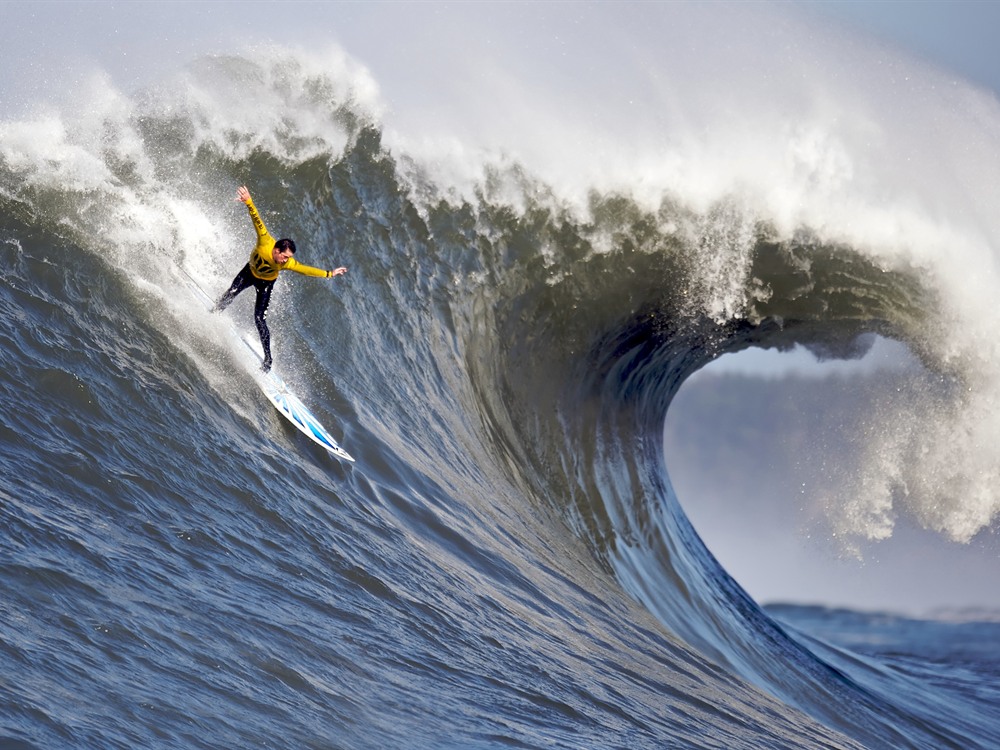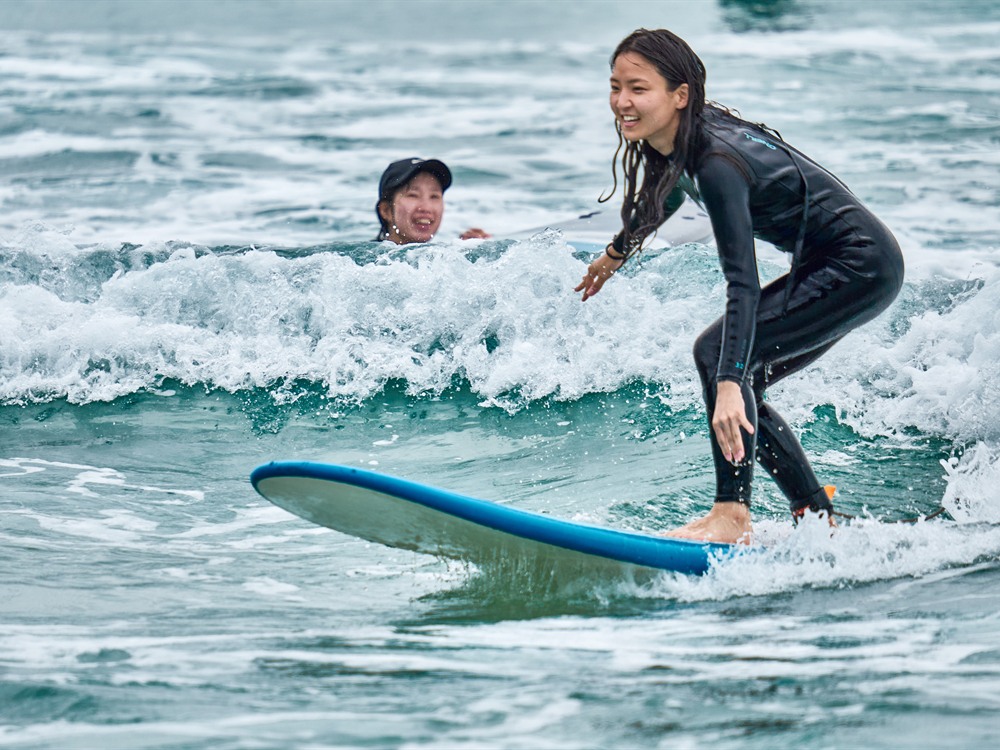
Ocean and coastal board-riding activity where participants paddle into waves and ride them toward shore using balance, timing, and wave-reading skills.
General Information
Overview
Surfing is one of the most iconic water sports in the United States and involves riding ocean waves on a surfboard. The sport traces many of its modern roots to Hawaii and has become deeply embedded in American coastal culture. Today, surfers can be found along the Pacific, Atlantic, and Gulf coasts, with famous destinations including Hawaii's North Shore, Malibu, Huntington Beach, Santa Cruz, and Florida's Space Coast. Whether pursuing gentle beginner-friendly waves or challenging world-class breaks, participants are drawn to the combination of athleticism, outdoor adventure, and connection with the ocean.
Surfing can be relatively affordable for those who own their equipment, but many newcomers choose to rent boards or take lessons. Rental boards are commonly available at major surf destinations, while surf schools provide instruction, equipment, and safety guidance. Lessons are especially popular at beginner-oriented beaches where smaller waves and sandy bottoms create a more welcoming learning environment. The sport's accessibility has helped it remain popular among both vacationers and dedicated enthusiasts across the country.
Conditions for surfing vary by region and season. California provides some of the most consistent year-round opportunities, while Hawaii experiences legendary winter swells and the East Coast often benefits from hurricane and winter storm systems. Surfing is generally considered a moderate-difficulty activity because it requires balance, paddling strength, and an understanding of ocean conditions. Most recreational sessions last between one and four hours, giving participants ample time to improve skills, enjoy the outdoors, and experience the excitement of riding waves.
This article uses material from the Wikipedia articles and official tourism and surfing resources related to surfing in the United States, which are released under applicable licenses including the Creative Commons Attribution-Share-Alike License 3.0.