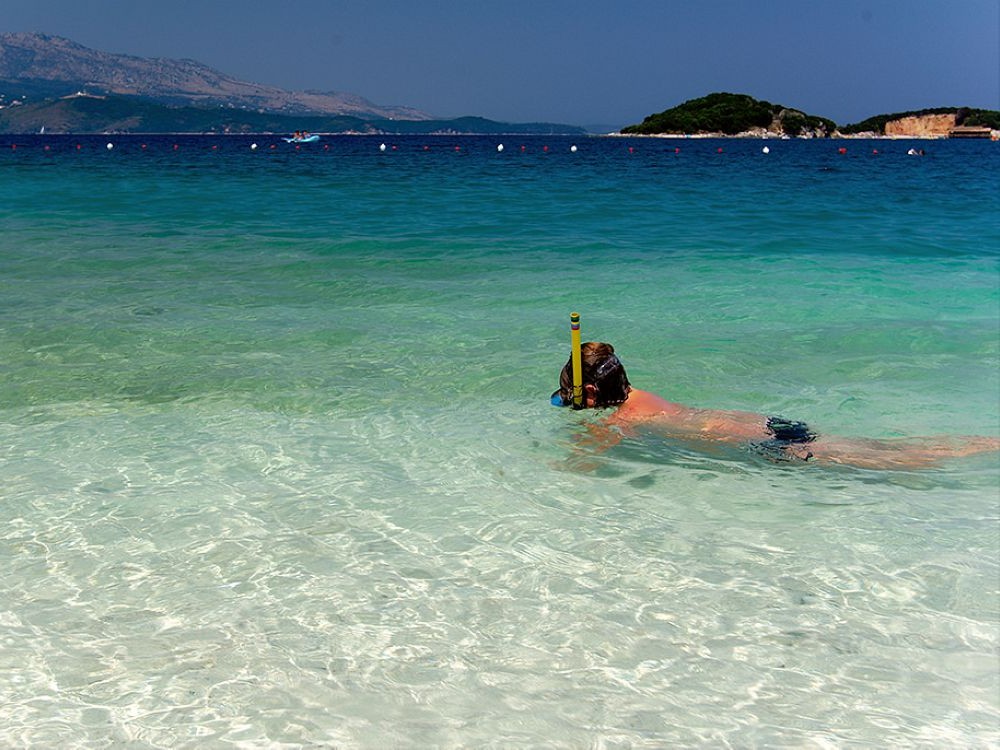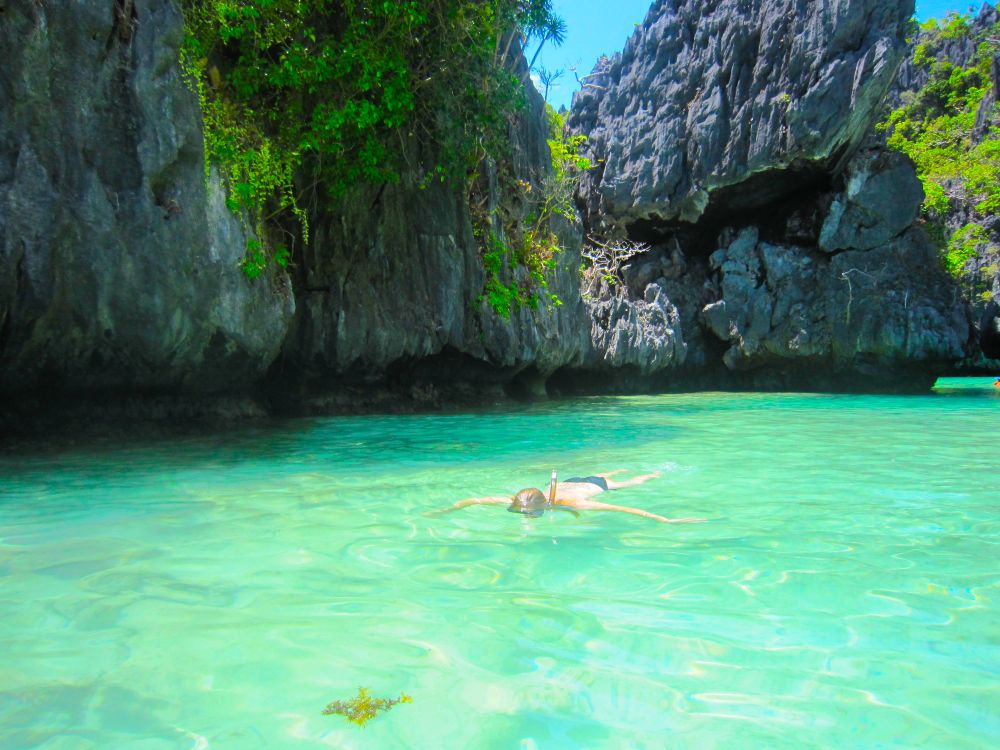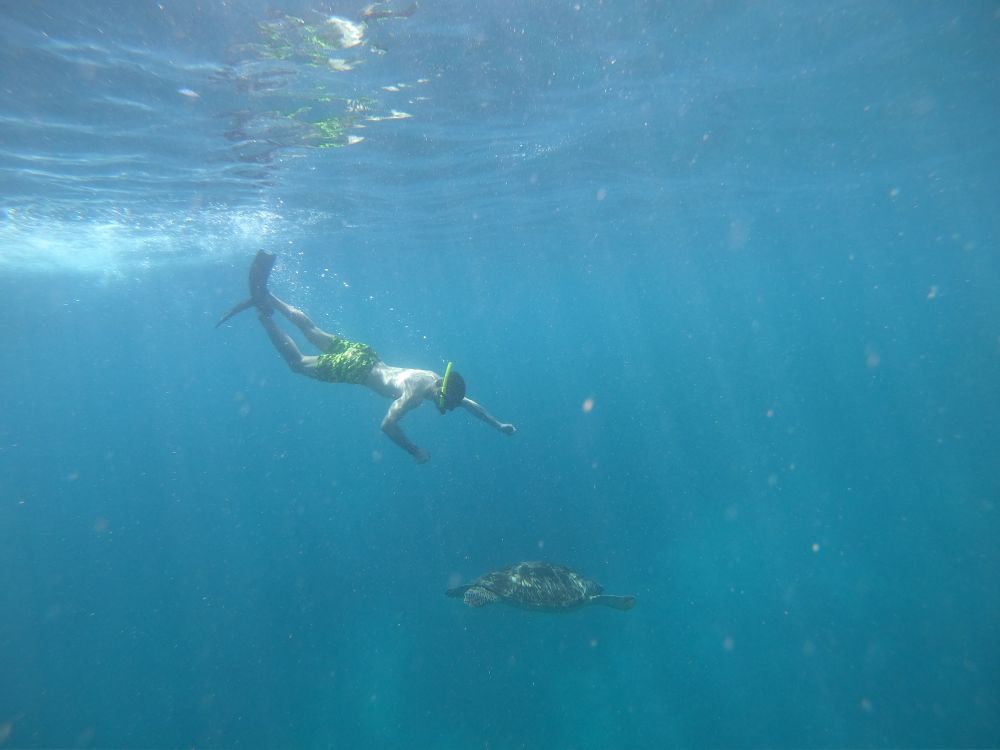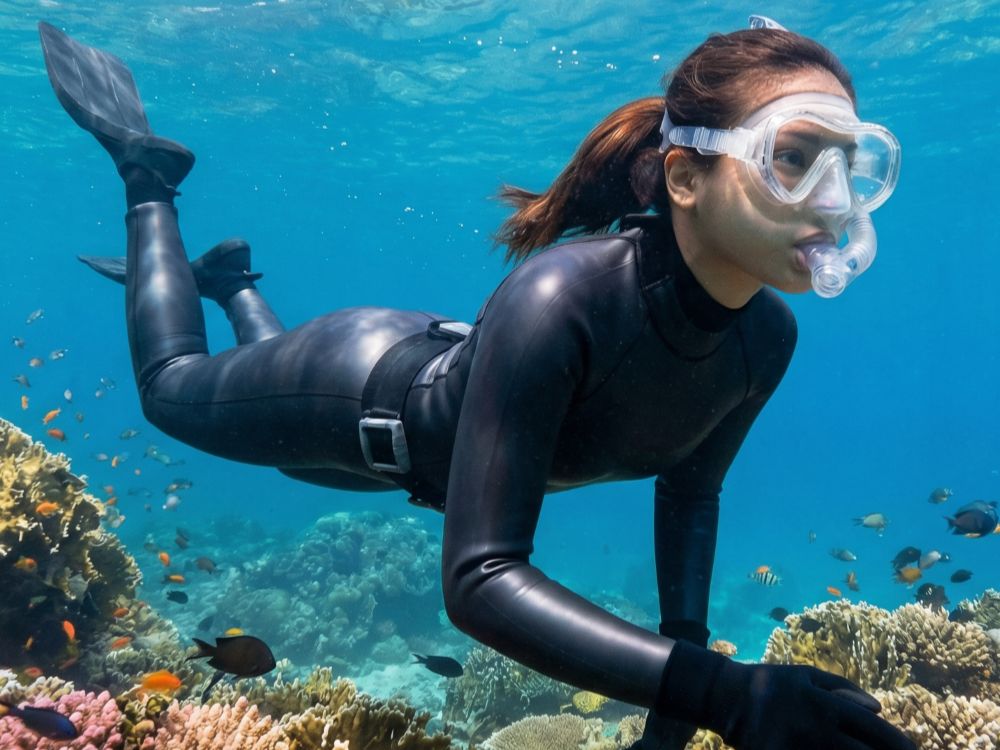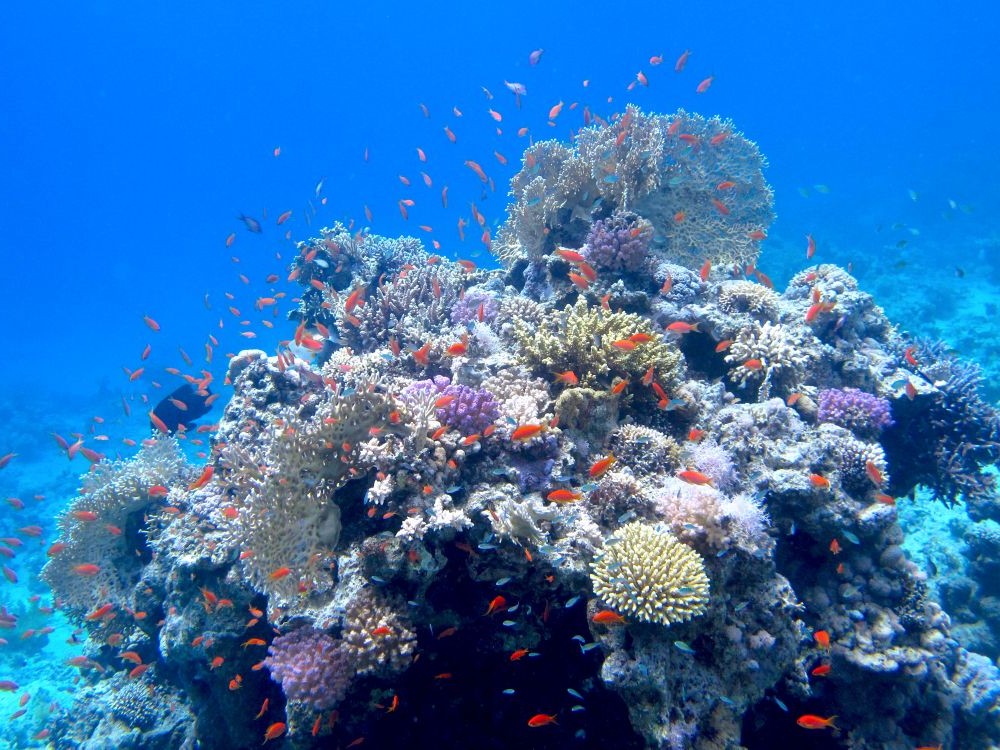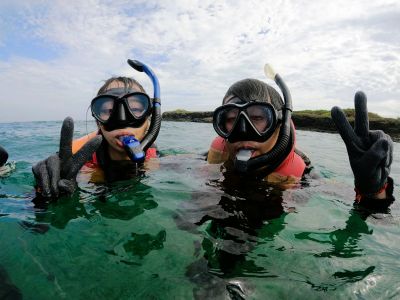
Recreational water activity where participants float and swim at the surface to observe underwater marine life using a mask and snorkel.
General Information
Overview
Snorkeling is a widely accessible water activity that allows people to explore shallow underwater environments without the training required for scuba diving. Using a simple set of gear—a mask, snorkel, and fins—participants can float comfortably at the surface while viewing coral reefs, fish, and other marine life. In the United States, snorkeling is especially popular in warm coastal areas such as Hawaii and the Florida Keys, where clear water and abundant wildlife create ideal conditions.
The cost of snorkeling is relatively low compared to many outdoor recreational activities. Individuals who own their own gear can snorkel for free at public beaches, while rentals and guided tours typically range from $50 to $150. These tours often include equipment, safety briefings, and access to prime snorkeling spots, making them a good option for beginners or visitors unfamiliar with local waters.
Snorkeling is best enjoyed during warmer months when water temperatures are comfortable and visibility is high, though some locations like Florida and Hawaii support snorkeling year‑round. The activity is considered easy and appropriate for most average swimmers, requiring minimal physical exertion. Most snorkeling experiences last from half an hour to a couple of hours, making it a flexible and beginner‑friendly way to experience marine environments during vacations or day trips.