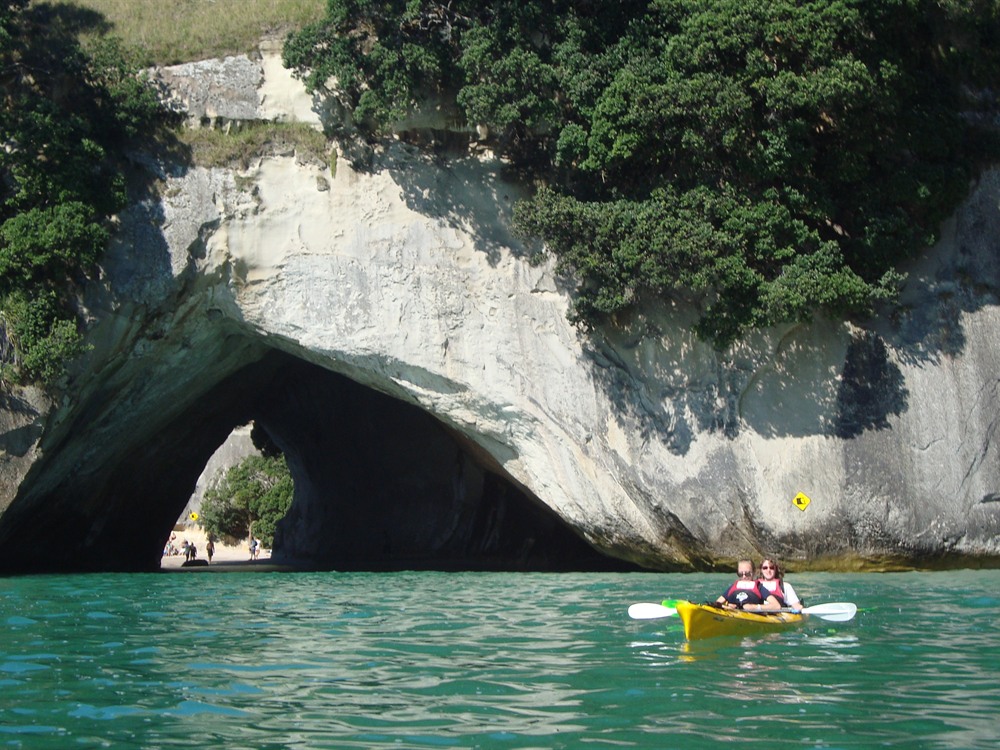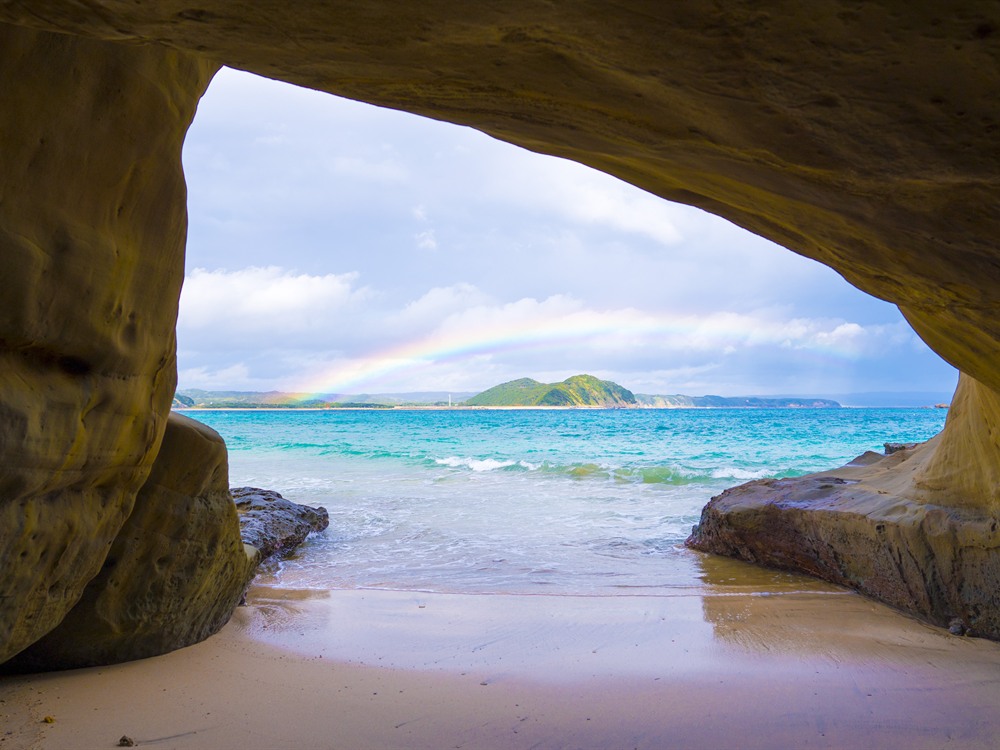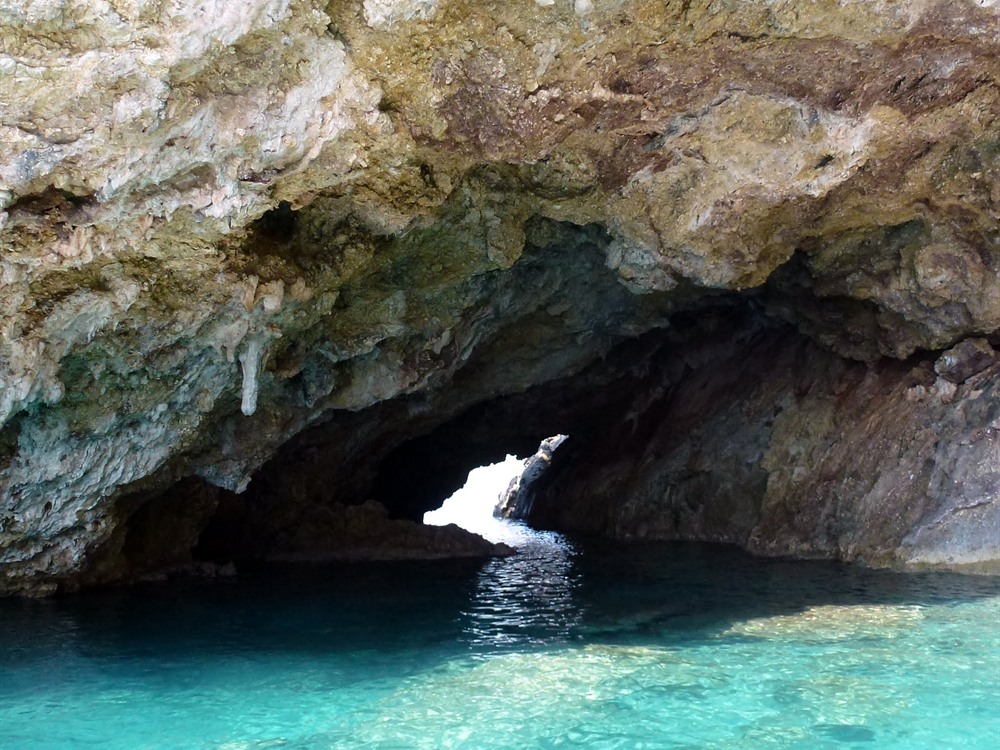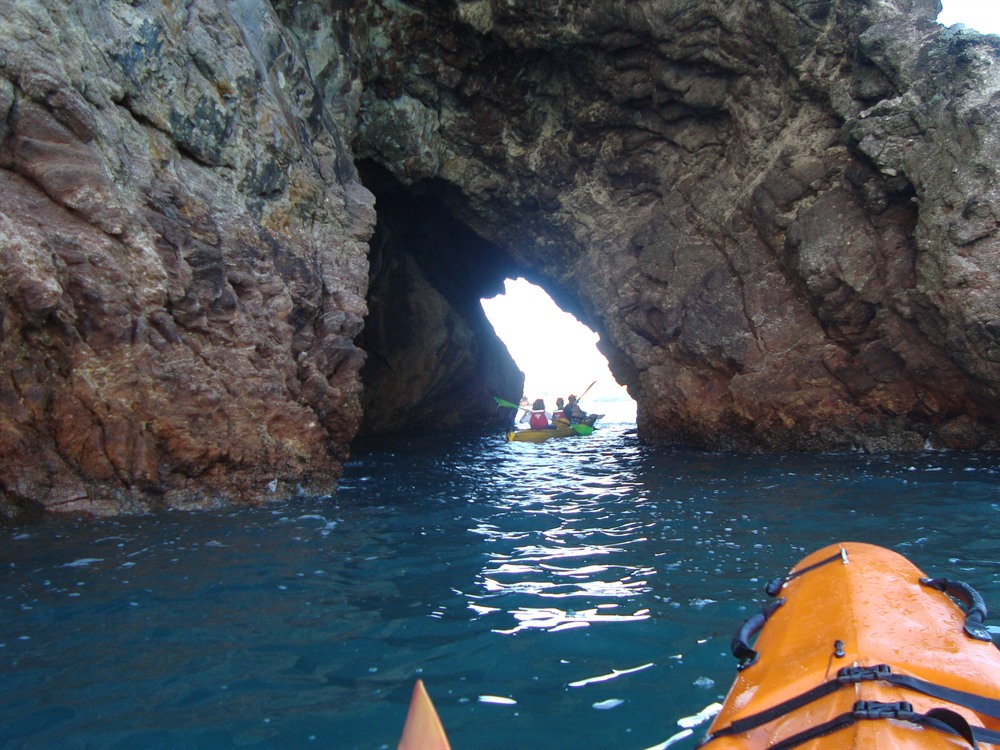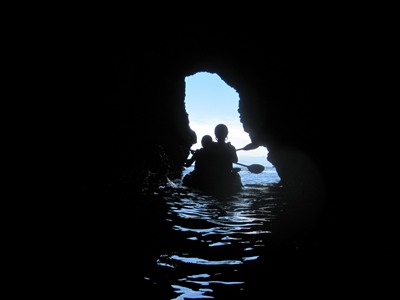
Exploration adventure that involves accessing and discovering natural coastal caverns carved by waves, tides, and erosion along ocean shorelines.
General Information
Overview
Sea caves are naturally formed coastal caverns created by the persistent action of waves, tides, and erosion on cliffs and rocky shorelines. These geological features can range from small openings that are visible from the water to extensive cave systems with chambers, arches, and narrow passages. Exploring sea caves offers visitors a unique opportunity to observe coastal geology and experience landscapes that are often inaccessible from land.
Across the United States, sea cave adventures are available in a variety of coastal environments. Popular destinations include the Channel Islands of California, the Oregon coast, the sea caves of Washington's shoreline, Hawaii's volcanic coastlines, and the Apostle Islands National Lakeshore. Visitors may reach sea caves through guided boat tours, kayaking excursions, hiking trails, or a combination of these methods. Pricing generally ranges from $20 to $200 depending on the level of guidance, transportation, and equipment involved.
Sea cave exploration is generally suitable for most outdoor enthusiasts, although the level of difficulty varies with weather, tides, and the chosen method of access. Guided experiences help visitors safely navigate changing coastal conditions while learning about local geology, wildlife, and maritime history. Most tours last a few hours and are especially popular during warmer months when water and weather conditions are more favorable. The activity provides a memorable combination of sightseeing, adventure, photography, and appreciation of coastal natural wonders.
This article uses material from the Wikipedia articles for Sea cave and related coastal geology topics, along with information from National Park Service resources and tourism organizations, which are released under applicable Creative Commons licenses where noted.