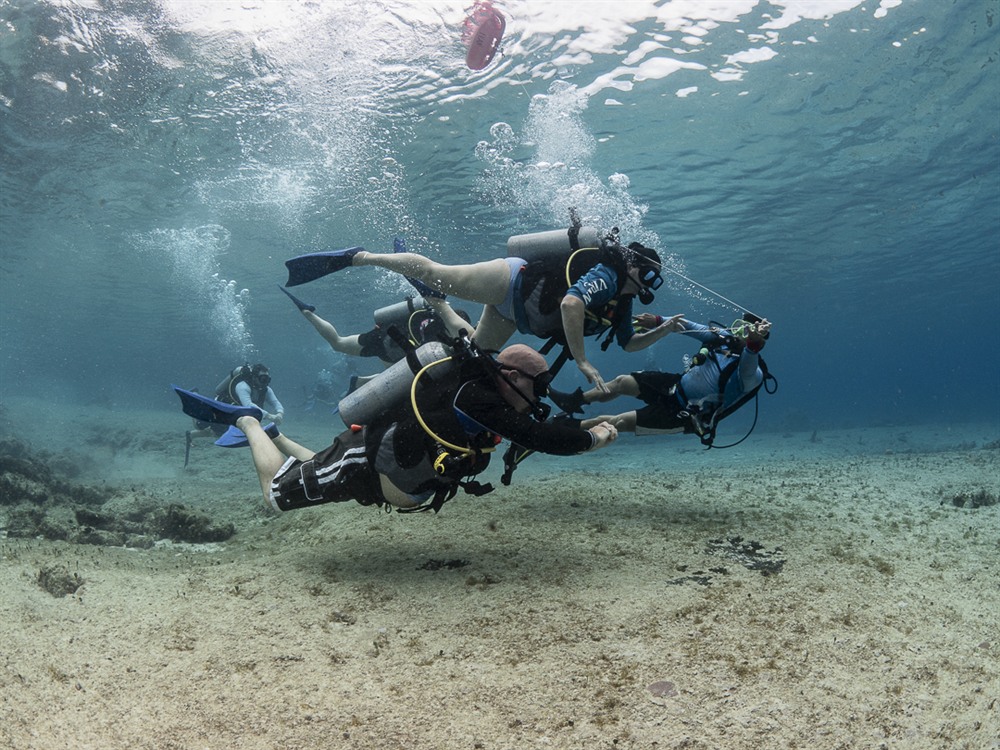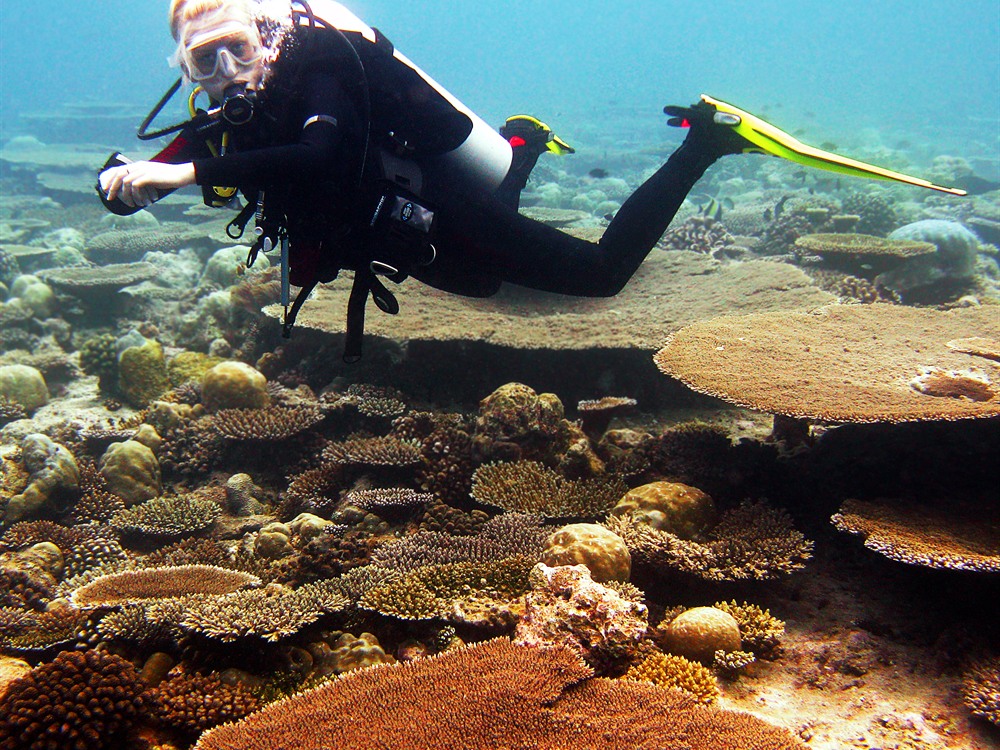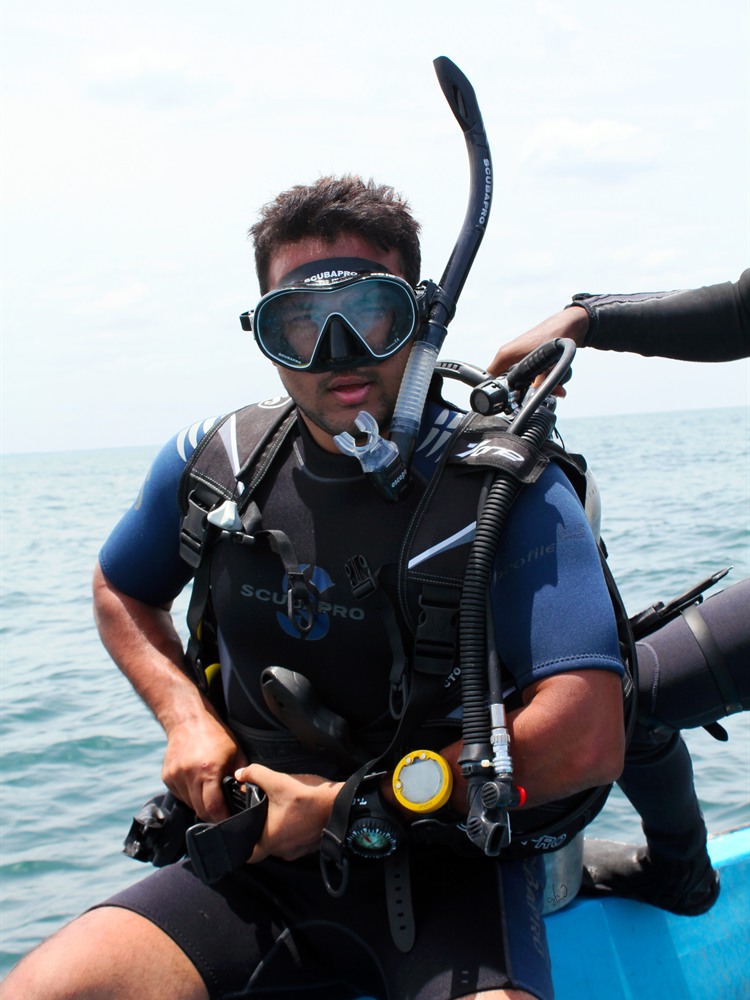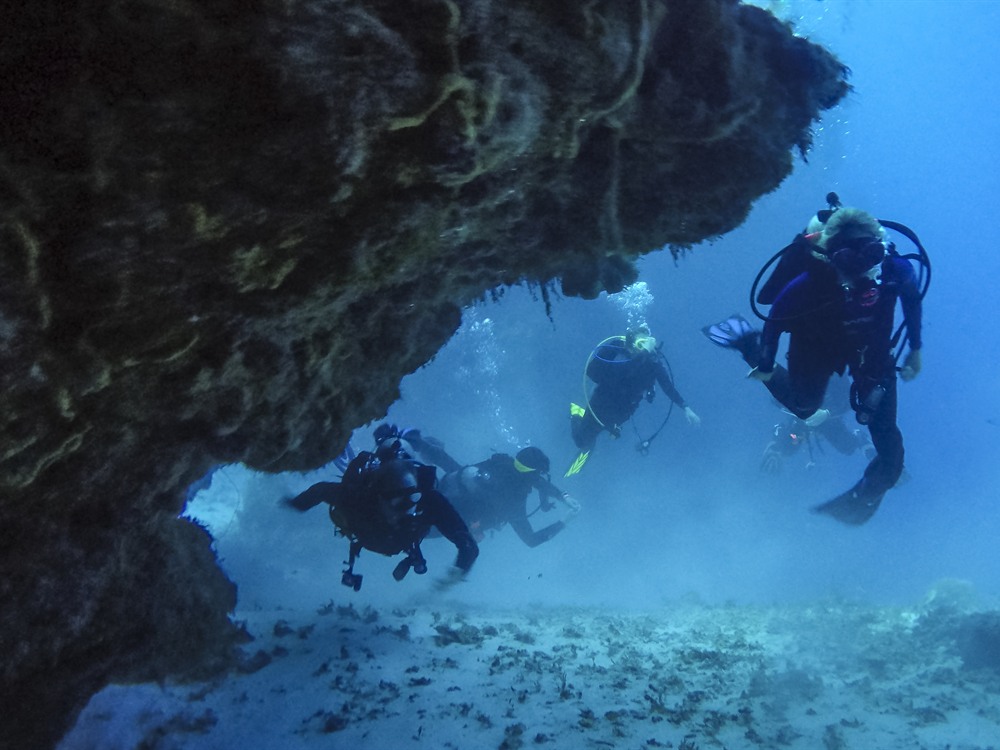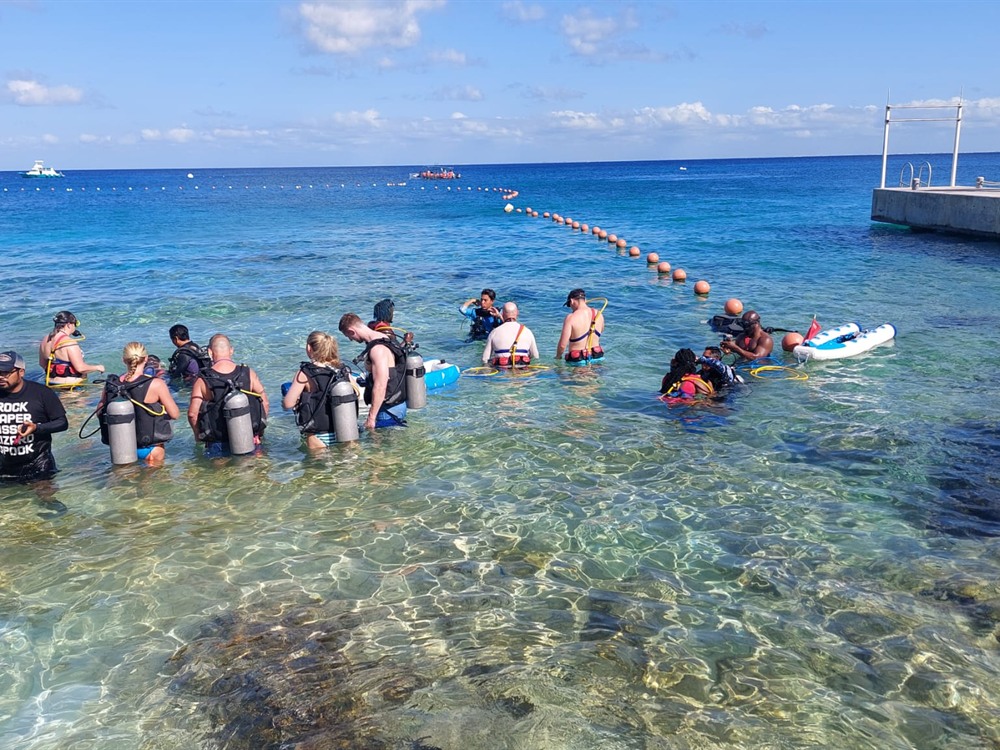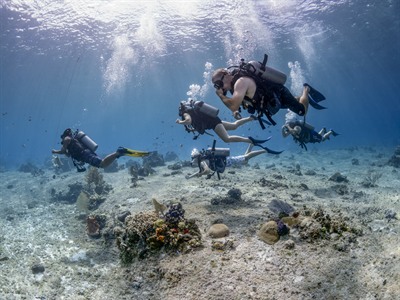
Underwater adventure activity that allows participants to breathe beneath the surface using specialized equipment while exploring marine environments, wildlife, and submerged features.
General Information
Overview
Scuba diving is a recreational activity that allows participants to explore underwater environments while breathing through self-contained underwater breathing equipment. Divers can observe coral reefs, shipwrecks, marine wildlife, rock formations, and other submerged attractions that are inaccessible from the surface. The activity combines adventure, exploration, and environmental appreciation, making it one of the most popular forms of underwater recreation worldwide.
The United States offers a wide variety of scuba diving opportunities, ranging from tropical reef systems in Florida and Hawaii to kelp forests along the California coast and historic shipwreck sites in North Carolina. Most beginners begin with introductory experiences or certification courses offered by professional dive organizations. Guided dives typically cost between $75 and $250 per person, while certification programs require additional training and instructional sessions. Many dive operators provide rental equipment and professional supervision, making the sport accessible to newcomers.
Scuba diving is generally considered moderately challenging because it requires training, attention to safety procedures, and familiarity with specialized equipment. Once certified, divers can enjoy a wide range of underwater environments around the country and throughout the world. Warm-water destinations often support year-round diving, while seasonal weather patterns influence conditions in other regions. Whether exploring vibrant marine ecosystems, underwater archaeological sites, or artificial reefs, scuba diving offers a unique perspective on aquatic environments and a memorable sense of discovery.
This article uses material from the Wikipedia article for Scuba diving and information from diving organizations, tourism authorities, and marine recreation resources, which are released under applicable Creative Commons licenses where noted.