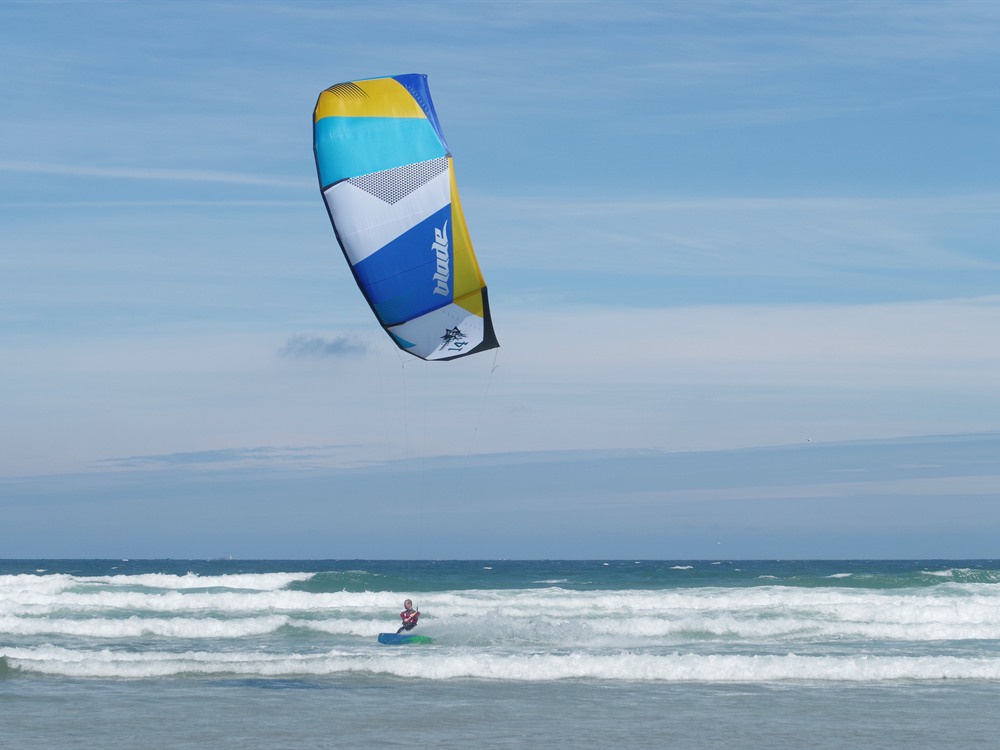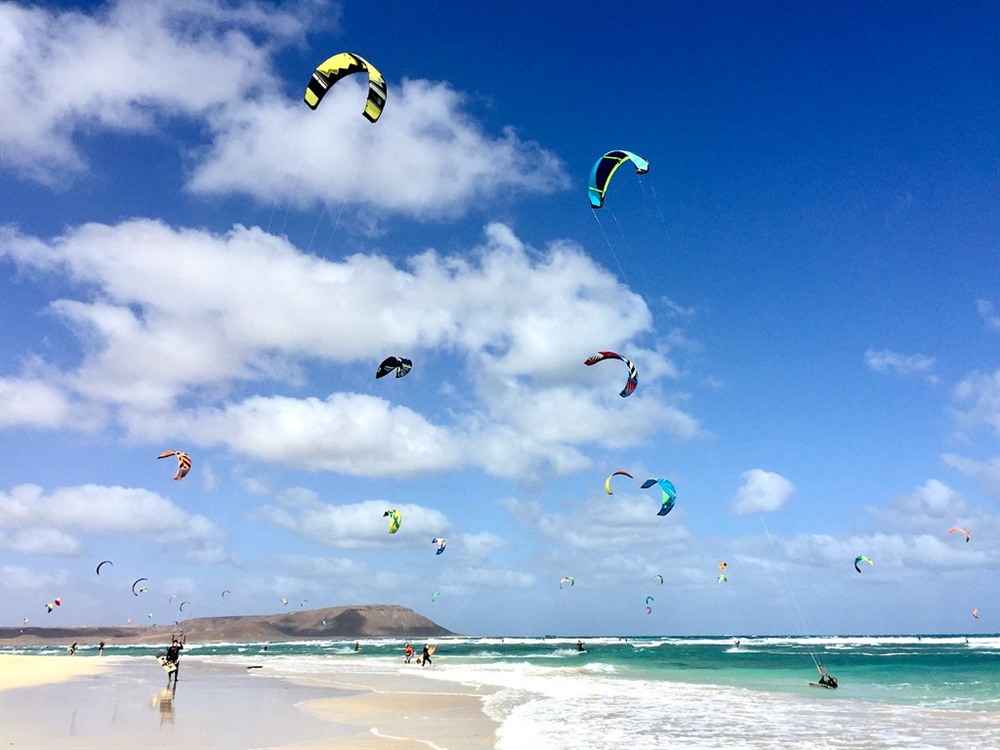
Wind-powered water sport where participants ride a board across the surface while being pulled by a controllable kite that generates speed, lift, and maneuverability.
General Information
Overview
Kite boarding, also known as kitesurfing, is a dynamic water sport that combines elements of surfing, wakeboarding, sailing, and windsurfing. Participants use a large controllable kite to harness the power of the wind while riding across the water on a specialized board. Depending on conditions and skill level, riders can cruise across open water, carve turns, jump into the air, and perform a variety of advanced maneuvers.
The sport has grown significantly in popularity throughout the United States due to advances in equipment design and the availability of professional instruction. Coastal destinations such as Florida, Texas, California, Hawaii, and North Carolina are widely known for favorable kiteboarding conditions because they offer consistent winds and large areas of accessible water. Most beginners start with certified instructors who teach kite control, safety systems, weather awareness, and essential riding skills before progressing to independent riding.
Kite boarding is generally considered more challenging than many other recreational water sports because riders must simultaneously manage the kite, board, wind conditions, and body positioning. Professional instruction is strongly recommended for safety and faster skill development. The activity is most popular during seasons that provide steady winds and comfortable water temperatures. Sessions commonly last several hours, offering participants an exciting combination of physical activity, technical skill, and the unique experience of using wind power to travel across the water.
This article uses material from the Wikipedia articles and information published by kiteboarding schools, wind sports organizations, tourism agencies, and recreational water sports resources that provide educational information about kite boarding opportunities in the United States.