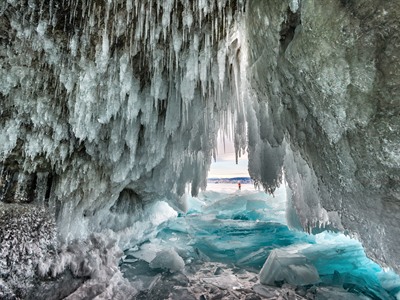
Natural ice exploration activity where participants enter or view frozen cave formations created by snow, ice, and seasonal freezing conditions in mountainous environments.
General Information
Overview
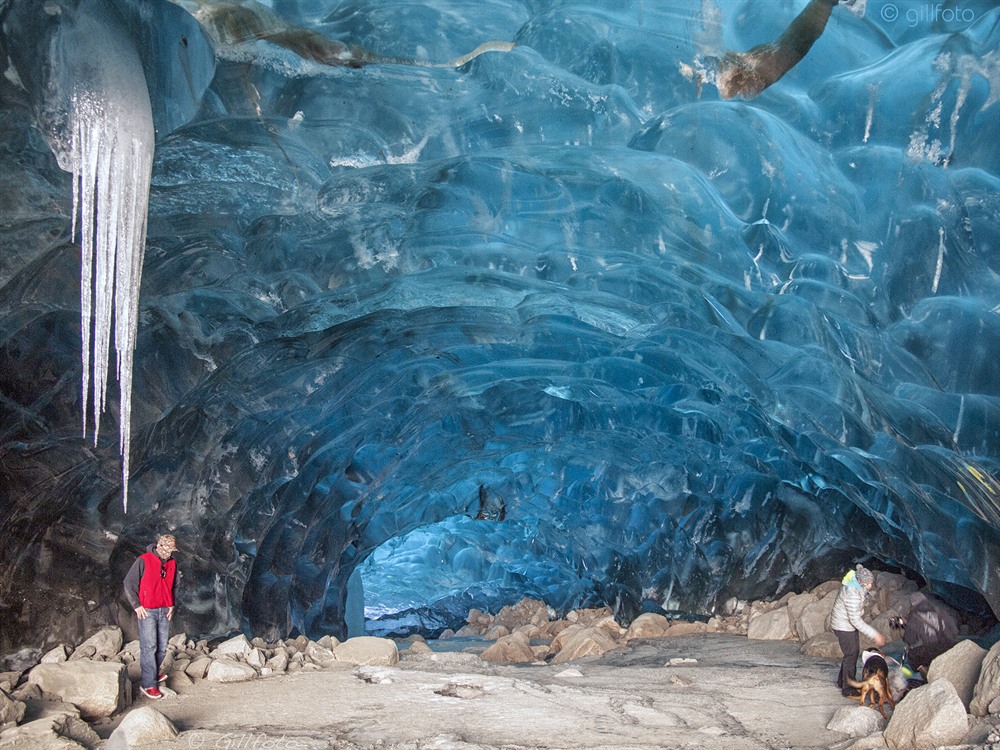
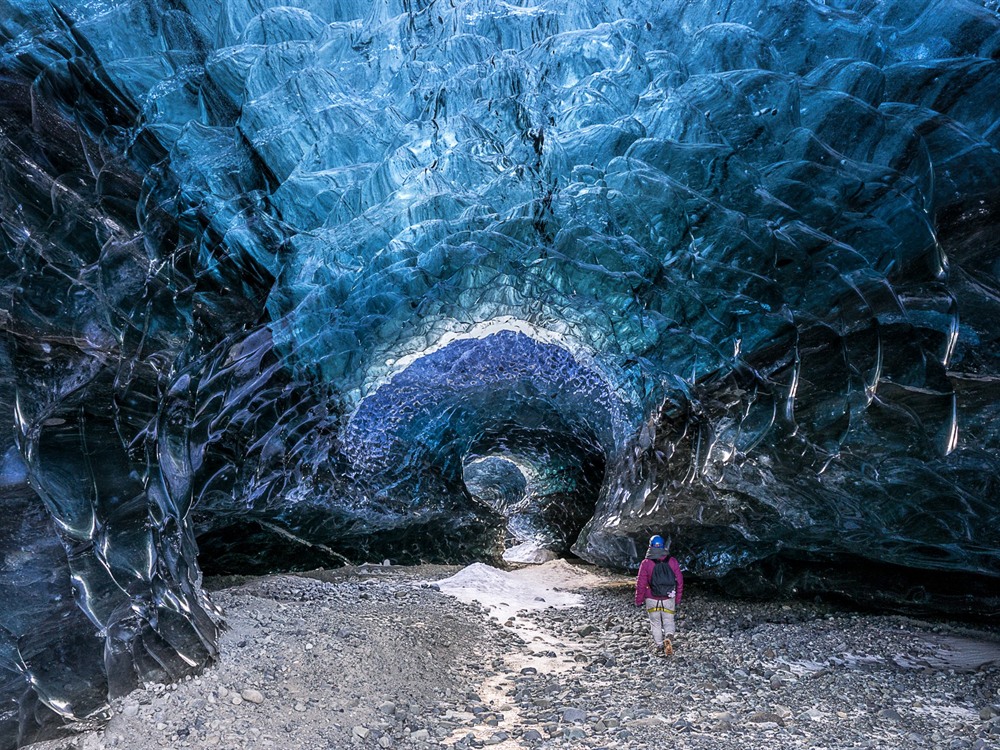
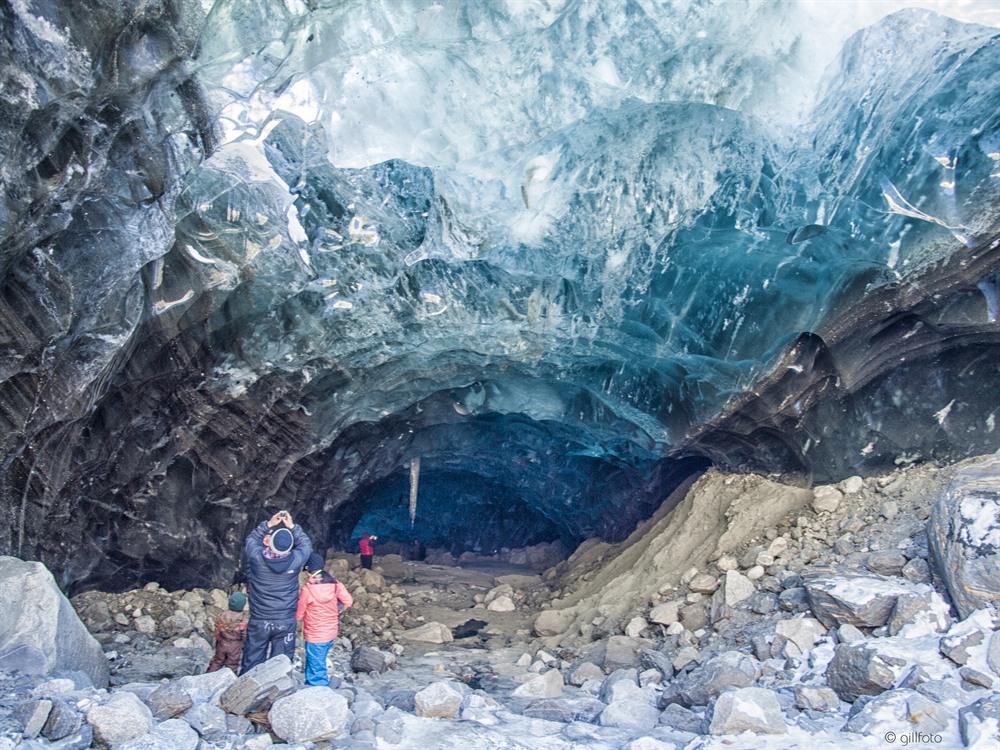
Ice caves are fascinating natural formations created when ice, snow, glacial meltwater, or freezing temperatures form chambers and tunnels within frozen environments. These caves can display brilliant shades of blue, intricate ice patterns, and unique geological features that change from season to season. Visitors are often drawn to the rare opportunity to observe the beauty of frozen landscapes from within, making ice cave exploration a popular winter recreation and sightseeing activity.
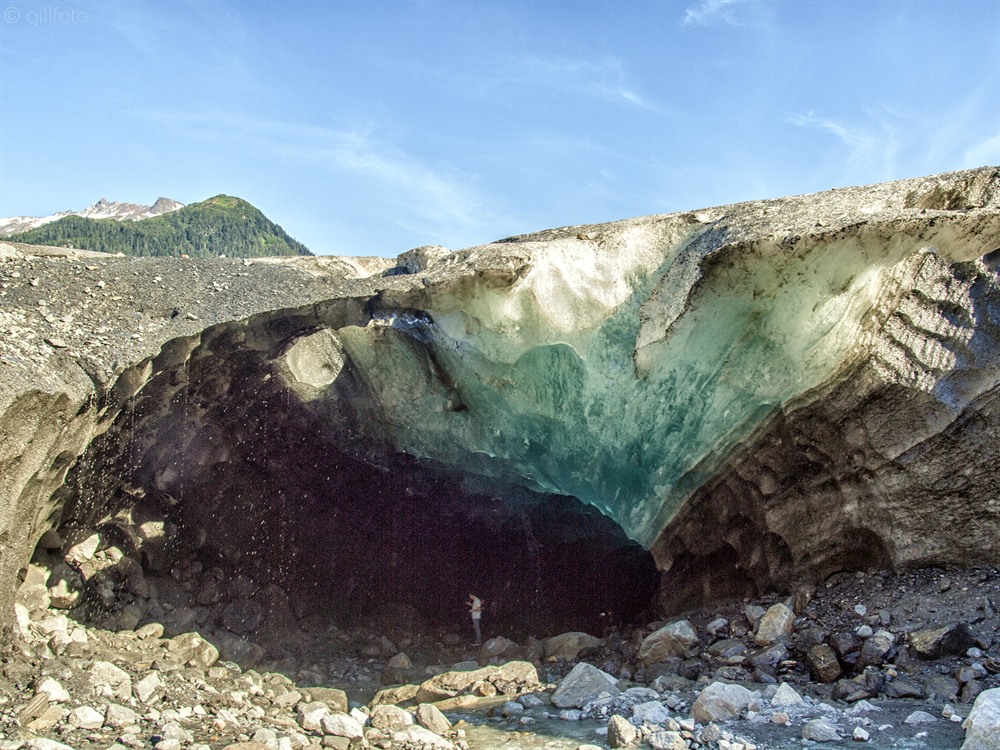
Many of the most well-known ice cave destinations in the United States are found in Alaska and the Pacific Northwest, where glaciers and heavy snowfall produce dramatic ice formations. Some sites can be reached through guided excursions that provide transportation, safety information, and interpretation of the area's geology and natural history. Because the appearance and stability of ice caves constantly evolve, guided visits are often recommended to help participants safely experience these remarkable environments.
Ice cave visits are generally considered easy to moderate in difficulty depending on the terrain and route required to reach the caves. The best viewing season varies according to local conditions, and accessibility may change from year to year due to weather patterns and ice stability. Most excursions last between one and four hours, making them suitable for travelers seeking a memorable outdoor experience. Combining natural beauty, photography opportunities, and geological interest, ice caves offer a distinctive way to experience winter landscapes in the United States.
This article uses material from the Wikipedia articles and official tourism, park, and natural resource information related to ice caves in the United States, which are released under applicable licenses including the Creative Commons Attribution-Share-Alike License 3.0.