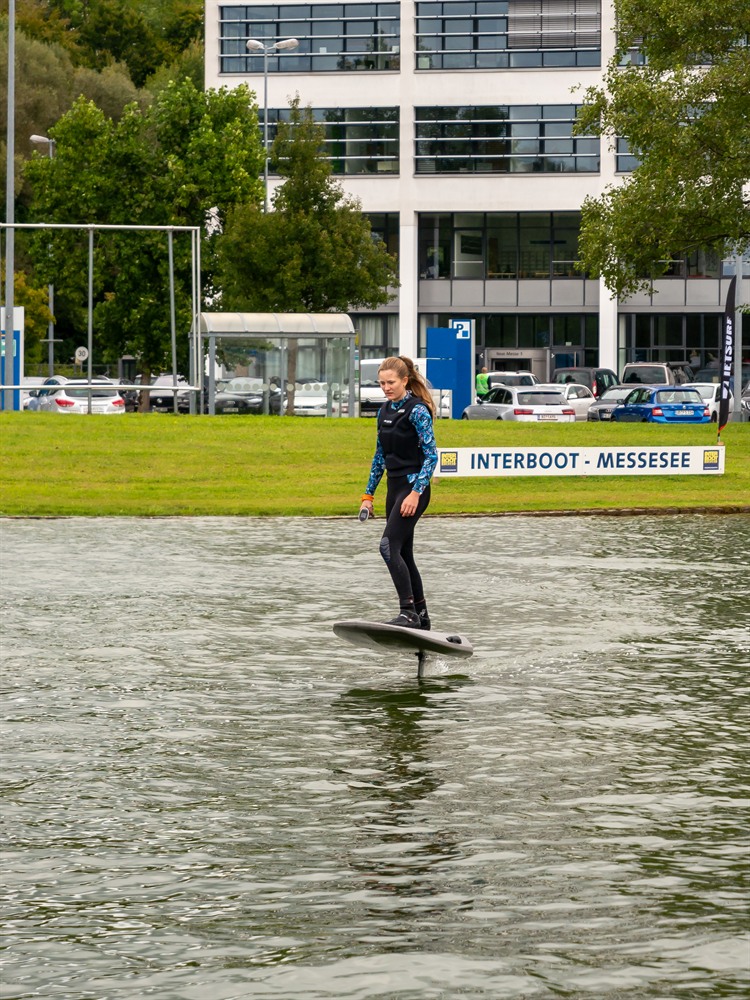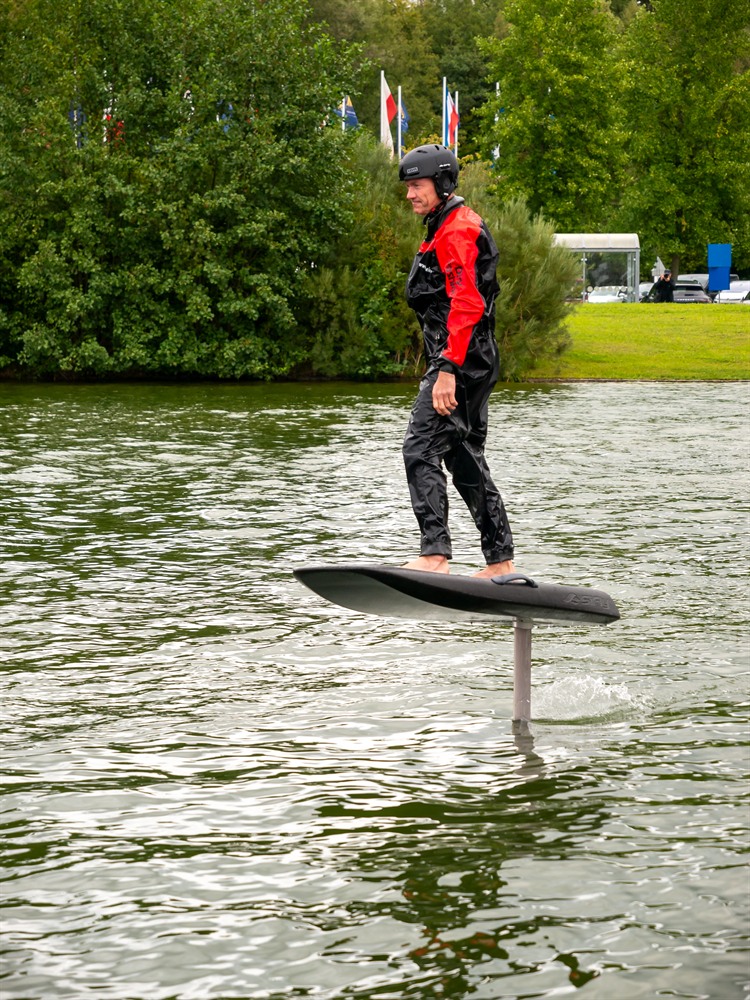
Water sport where participants ride above the surface on a specialized board lifted by an underwater wing, creating a sensation of gliding across the water with minimal resistance.
General Information
Overview
Hydrofoiling is a modern water sport that uses a board equipped with an underwater wing known as a hydrofoil. As the rider gains speed, the hydrofoil generates lift and raises the board above the water's surface, greatly reducing drag and creating a smooth, floating sensation. The sport has grown rapidly in popularity and can be practiced behind a boat, with an electric board, or using wind and wave power through wing foiling and surf foiling disciplines.
The activity is commonly found in coastal regions, lakes, and other bodies of water that provide suitable conditions for learning and riding. Hawaii and California are among the most recognized hydrofoiling destinations, while Florida, Texas, and other coastal states have seen increasing participation and instruction opportunities. Many schools and outfitters offer beginner lessons that include equipment, safety training, and coaching designed to help newcomers become comfortable with balance and foil control.
Hydrofoiling is generally considered more challenging than traditional paddleboarding or wakeboarding because riders must learn to manage both board stability and foil lift. Most beginners benefit from professional instruction and may require multiple sessions to become proficient. The best conditions are often found during warmer months with favorable winds and calm water. Sessions typically last several hours and provide a unique combination of skill development, exercise, and the sensation of flying just above the water's surface.
This article uses material from the Wikipedia articles and information published by hydrofoil equipment manufacturers, water sports schools, and recreational boating and surfing organizations that provide educational information about hydrofoiling activities in the United States.