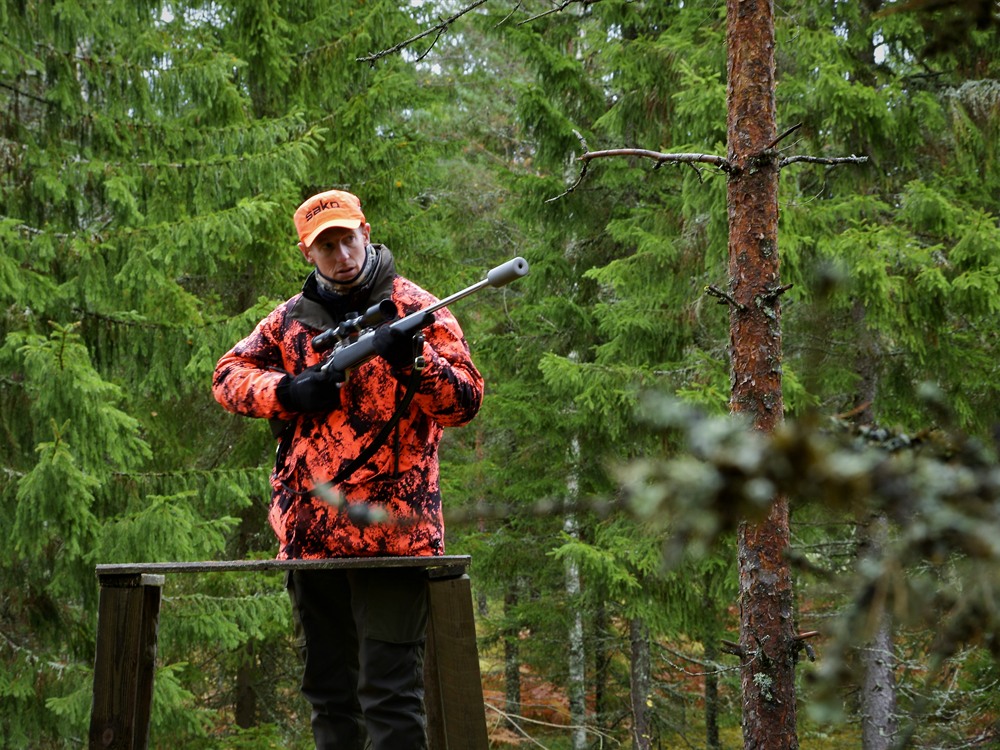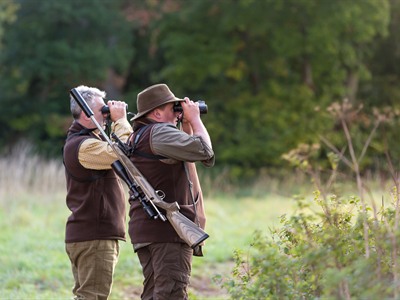
Outdoor pursuit where participants track and harvest legally permitted wildlife using approved methods while following conservation regulations and seasonal guidelines.
General Information
Overview
Hunting is a longstanding outdoor tradition in the United States that combines wildlife management, conservation, recreation, and outdoor exploration. Participants pursue legally designated game species during established seasons that are designed to maintain healthy wildlife populations. Hunting opportunities exist across a wide variety of environments, including forests, mountains, wetlands, grasslands, and agricultural regions, providing diverse experiences for outdoor enthusiasts.
State wildlife agencies regulate hunting through licenses, permits, seasonal restrictions, and harvest limits. These regulations are intended to support sustainable wildlife management while helping fund conservation programs and habitat restoration projects. Opportunities range from small-game and bird hunting to larger pursuits involving deer, elk, antelope, wild turkey, and other game species. Many participants choose guided experiences that provide access, local expertise, and assistance navigating regulations and terrain.
The activity generally requires preparation, physical endurance, and knowledge of local laws, making it moderately challenging for the average person. Hunting seasons vary significantly based on location and species, with autumn being one of the most popular times of year for many game animals. Outings may last only a few hours or extend over multiple days depending on objectives and conditions. For many participants, the experience offers opportunities to develop outdoor skills, observe wildlife, and spend time in natural environments while supporting regulated conservation efforts.
This article uses material from the Wikipedia articles and information published by state wildlife agencies, the U.S. Fish and Wildlife Service, conservation organizations, and hunting education resources that provide educational information about regulated recreational hunting in the United States.