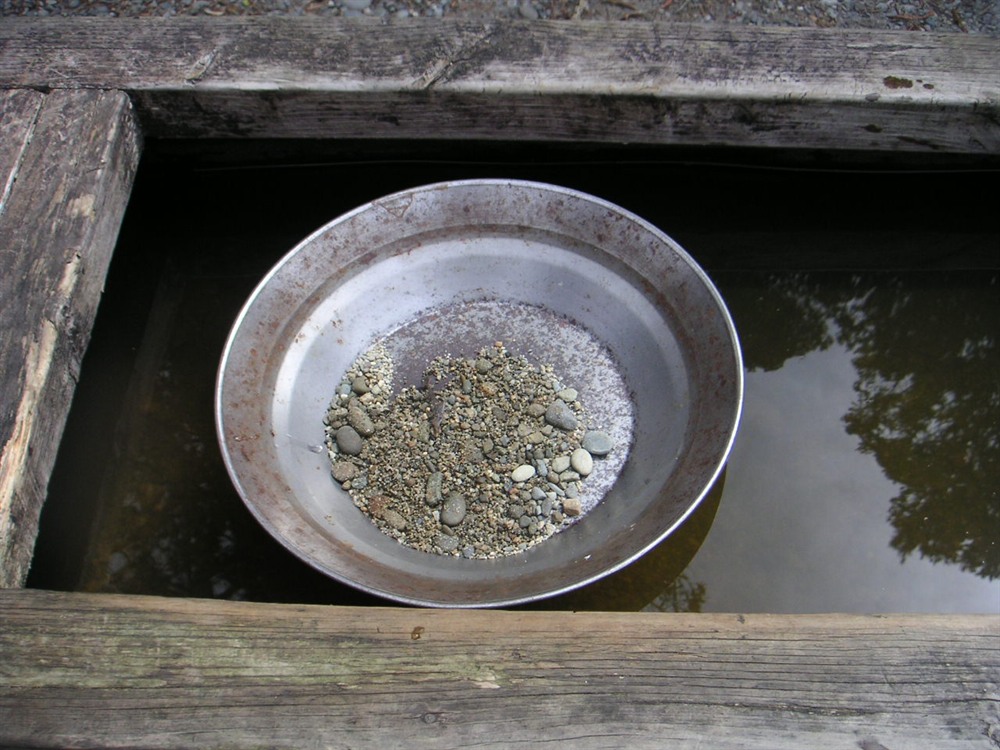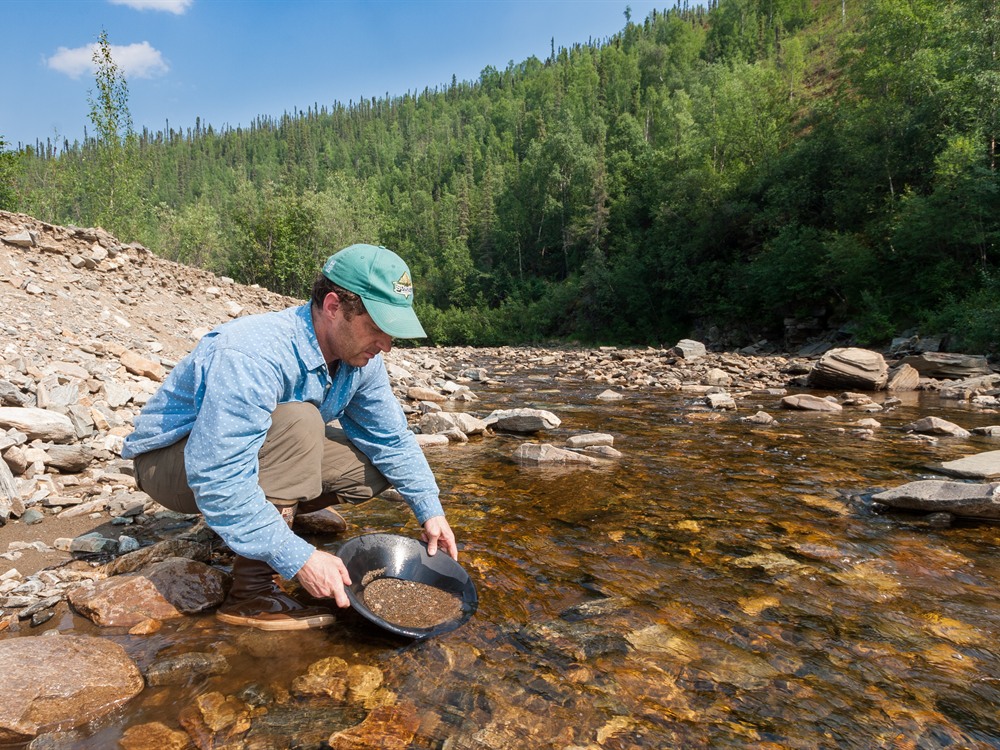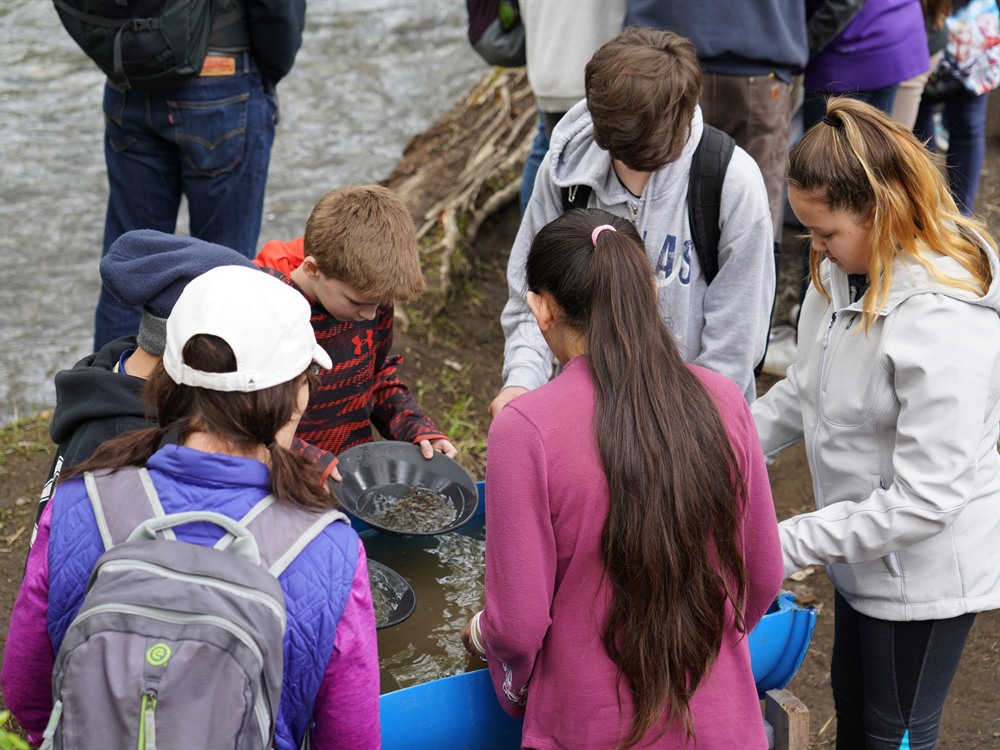
Recreational prospecting activity where participants search riverbeds, streams, and mineral deposits for small quantities of precious metal using simple hand tools and gravity separation methods.
General Information
Overview
Gold mining and panning is a recreational prospecting activity that allows participants to search for naturally occurring gold in rivers, streams, and historic mining areas. The practice traces its roots to the famous American gold rushes of the nineteenth century and remains a popular outdoor hobby across many western and southern states. Most recreational prospectors use a gold pan to separate heavier gold particles from sand and gravel, creating a hands-on experience that combines history, geology, and outdoor exploration.
The activity is relatively affordable compared to many outdoor adventures. A basic gold pan and simple tools can cost less than the price of a family meal, while organized attractions and guided prospecting experiences generally charge modest admission fees. Popular locations include California's Mother Lode region, Alaska's historic mining districts, Colorado mountain streams, Arizona desert washes, and former gold rush communities in Georgia and North Carolina. Many destinations offer instructional programs that help beginners learn prospecting techniques and local regulations.
Gold panning is generally considered easy to moderate for the average person because it requires limited physical skill and no specialized training. The best opportunities are often found from late spring through early fall when weather conditions and water access are favorable. A typical outing may last a few hours, although dedicated hobbyists often spend entire days exploring productive areas. Beyond the possibility of finding gold, many participants enjoy the activity for its scenic settings, educational value, and connection to America's mining heritage.
This article uses material from gold prospecting guides, historic mining attractions, and recreational prospecting resources, including information published by the Consolidated Gold Mine, GoldFever prospecting guides, and other educational gold prospecting references available to the public.