Water-propelled board sport where participants are lifted above the water by powerful jets that allow hovering, diving, and aerial maneuvers.
General Information
Overview
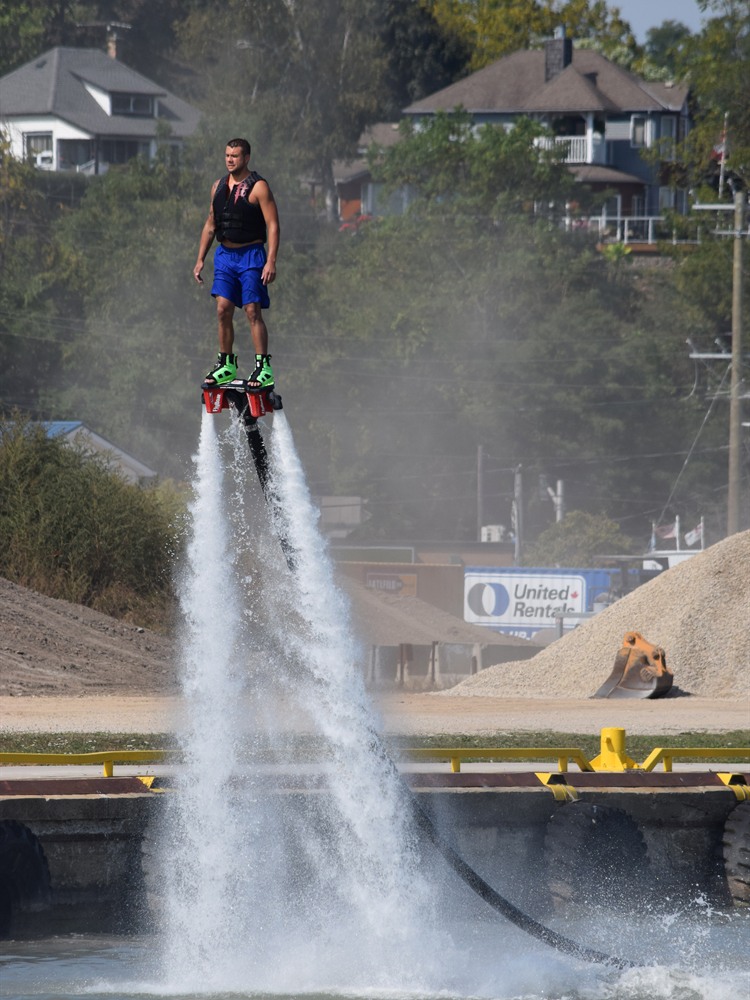
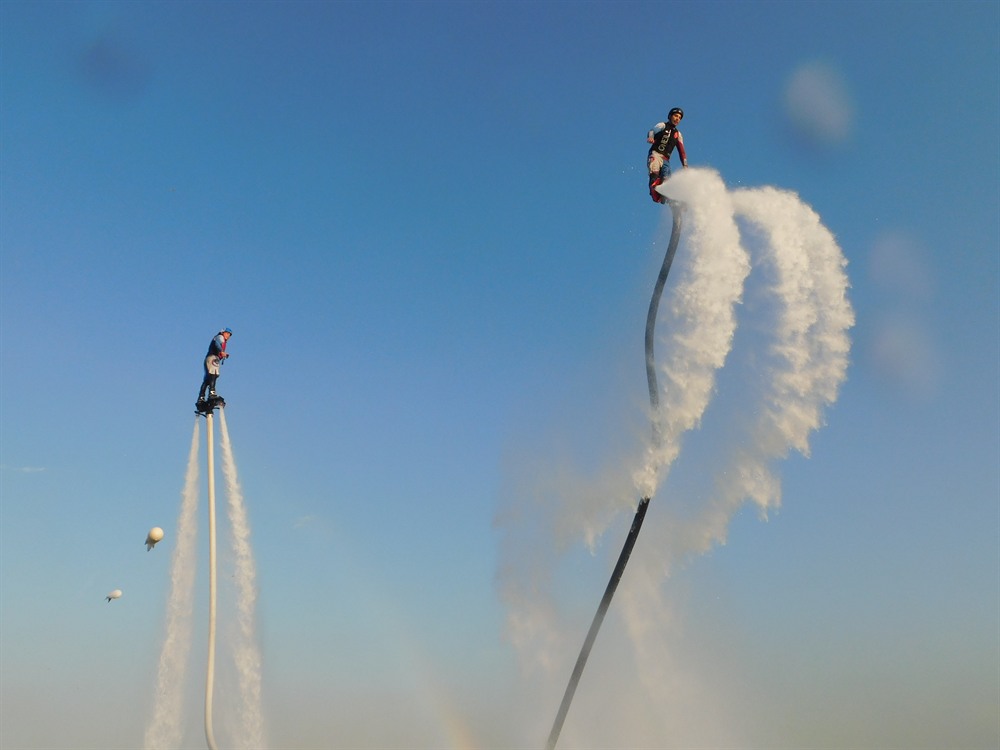
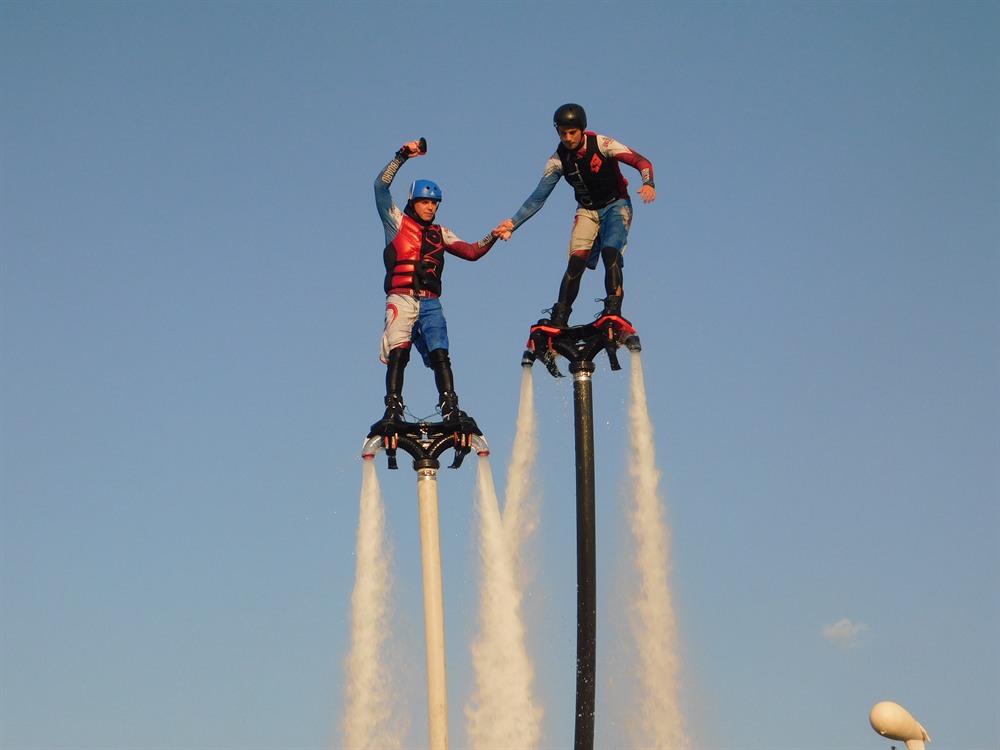
Flyboarding is an exciting watersport that uses pressurized water to elevate participants above the surface. The rider stands on a board connected by a hose to a personal watercraft, which pumps water through nozzles beneath the board. This water propulsion system creates enough force to lift riders into the air, allowing them to hover, turn, dive beneath the surface, and perform a variety of aerial movements. The sensation is often compared to flying and has made flyboarding a popular attraction at watersports destinations around the world.
Since its introduction, flyboarding has become available at numerous recreational facilities across the United States. Most operators provide beginner-friendly instruction that teaches participants how to maintain balance, control altitude, and maneuver safely above the water. Many first-time participants can achieve stable hovering within a short lesson, while more experienced riders progress to spins, dives, and advanced acrobatic tricks. Sessions are typically conducted in controlled environments with instructors closely monitoring the activity.
Flyboarding is best suited to warm-weather conditions and calm water environments, making lakes, bays, and sheltered coastal areas ideal locations. The activity is considered moderately challenging because it requires coordination and balance, though the learning curve for basic flight is often shorter than many people expect. Experiences are usually relatively brief due to the physical demands and equipment requirements, but they provide a memorable combination of adventure, technology, and water recreation that appeals to thrill-seekers and vacationers alike.
This article uses material from publicly available watersports resources, flyboarding operators, tourism information, and reference materials describing flyboard technology, instruction, and recreational flyboarding activities in the United States.