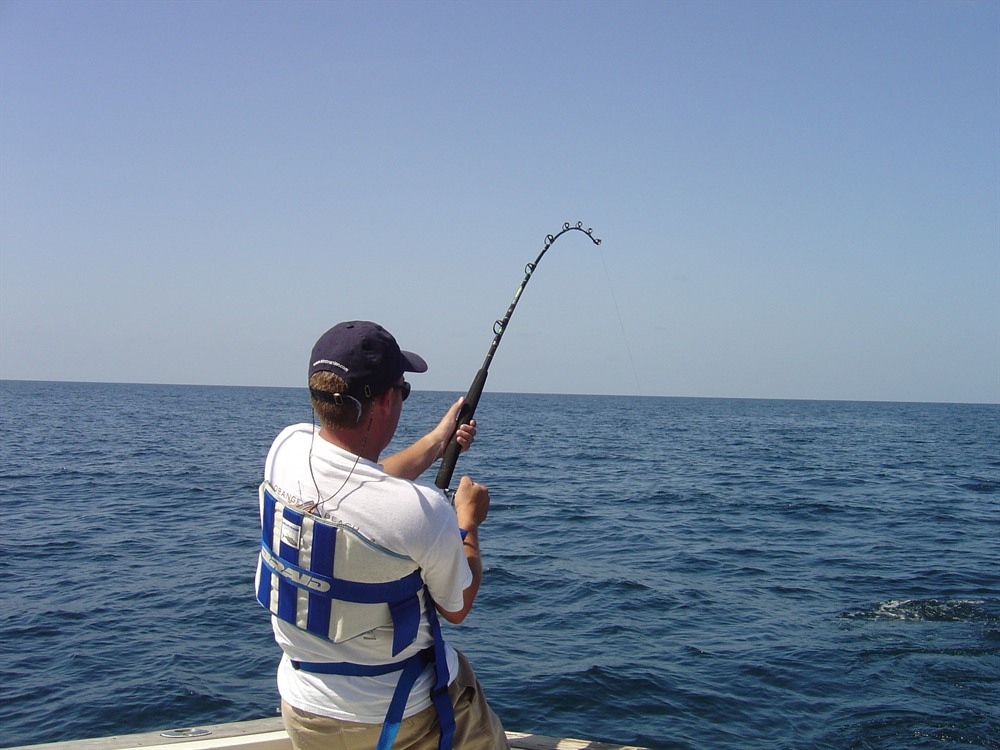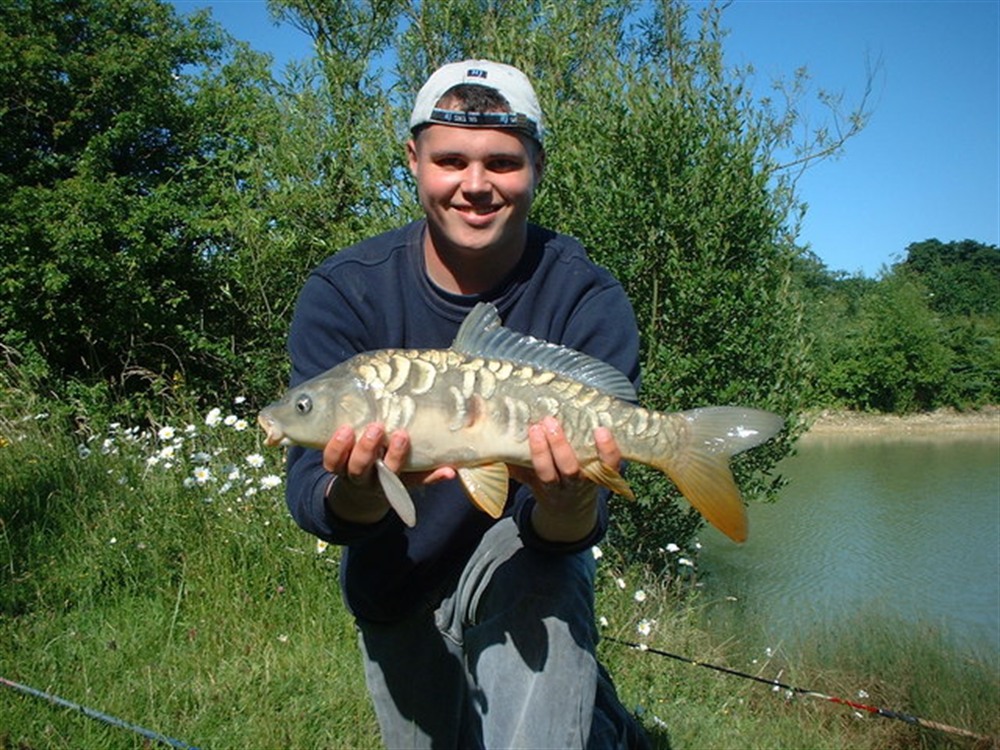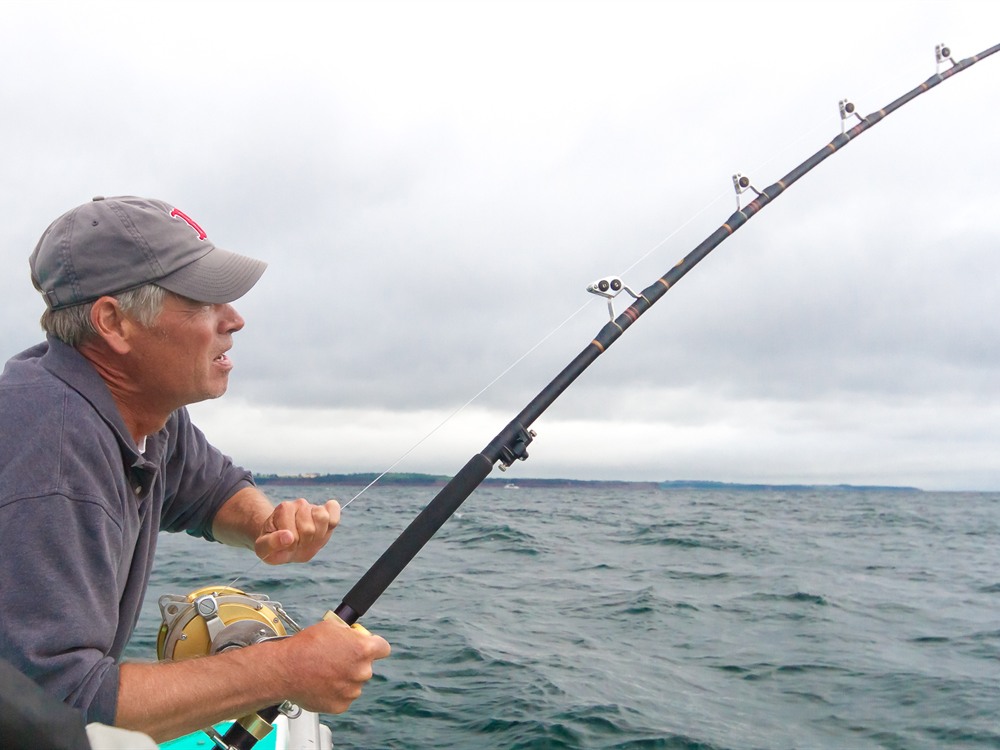
Outdoor recreational activity where participants catch fish in freshwater or saltwater environments using rods, reels, lines, nets, or other legal angling methods.
General Information
Overview
Fishing is one of the most popular outdoor recreational activities in the United States, attracting participants of all ages and skill levels. The activity involves catching fish in freshwater environments such as lakes, rivers, and reservoirs, as well as in saltwater locations including bays, beaches, and offshore waters. Fishing can be enjoyed casually from shore, from docks and piers, or from boats designed for specific types of angling. Its combination of relaxation, outdoor exploration, and the excitement of catching fish has made it a longstanding American pastime.
Recreational fishing offers a wide range of experiences depending on location and target species. Participants may pursue bass, trout, catfish, salmon, walleye, redfish, tuna, marlin, and many other species found throughout the country. Many anglers fish independently using their own equipment, while others hire guides or charter services that provide boats, gear, instruction, and local expertise. Guided trips can be especially valuable for beginners looking to improve their skills or explore unfamiliar waters.
The activity is generally accessible to beginners and can be tailored to nearly any budget or experience level. Fishing is enjoyed throughout the year, although seasonal conditions often influence where fish are located and how active they are. Outings can range from short trips close to home to full-day adventures in remote wilderness areas or offshore waters. Whether pursued for relaxation, sport, competition, or the opportunity to harvest food, fishing remains one of the most widely participated outdoor recreation activities in the United States.
This article uses material from publicly available resources provided by state wildlife agencies, the National Oceanic and Atmospheric Administration, recreational