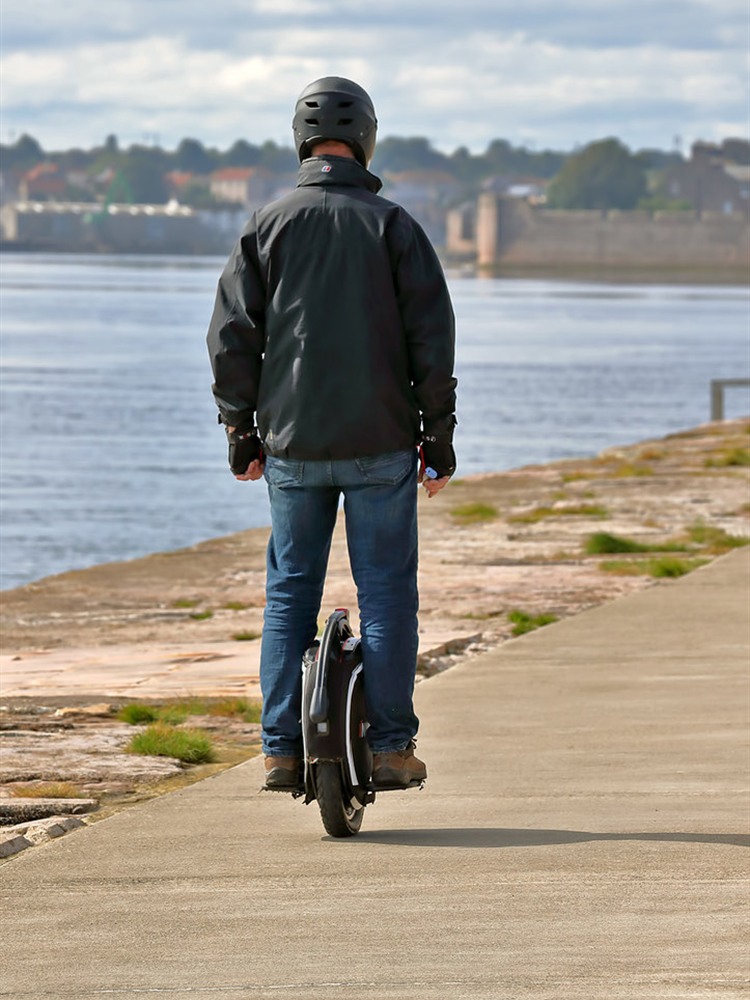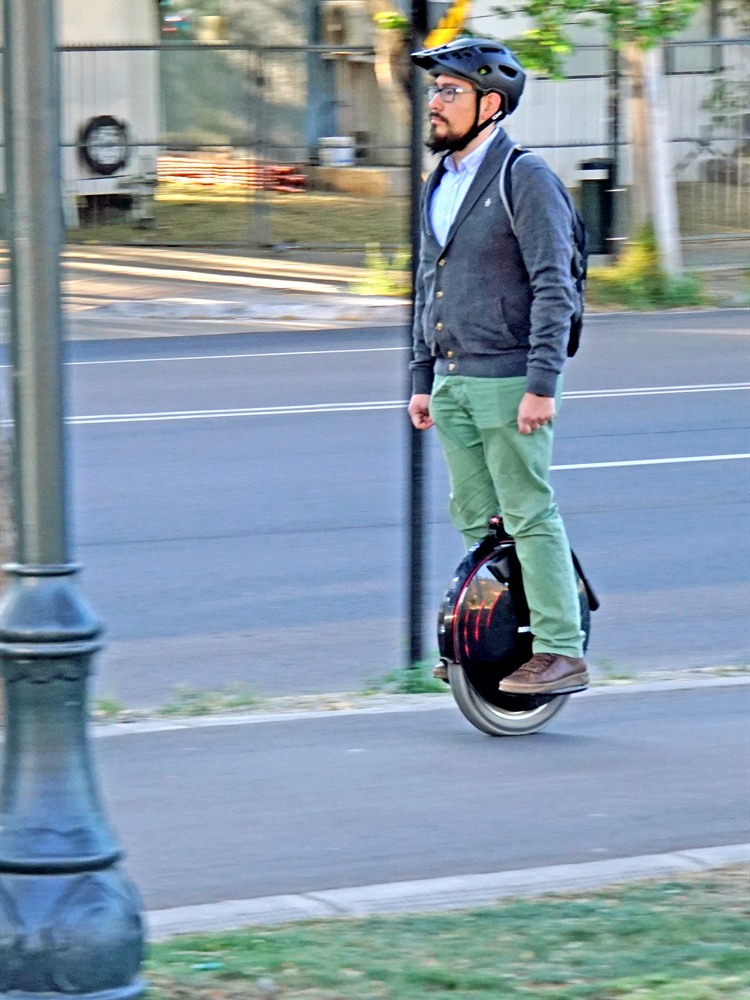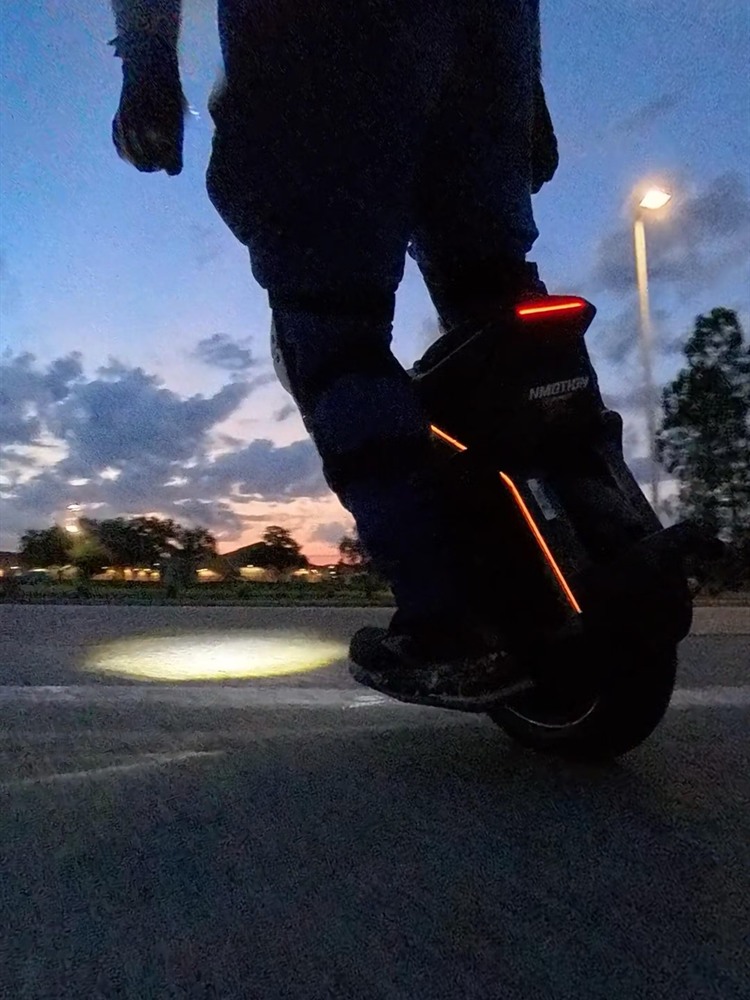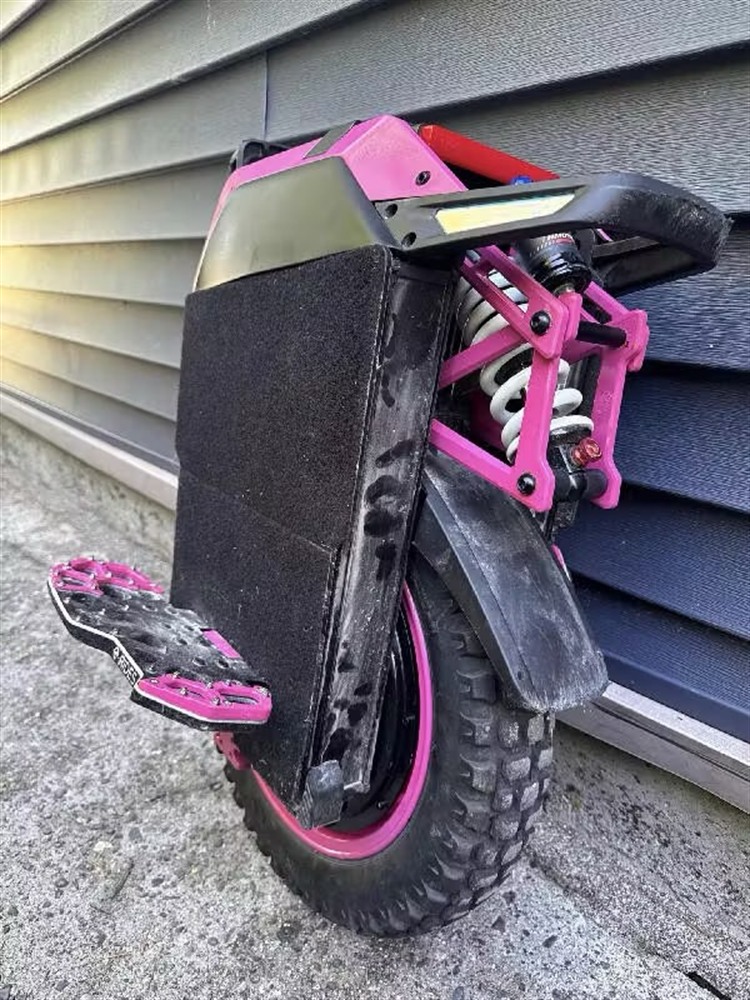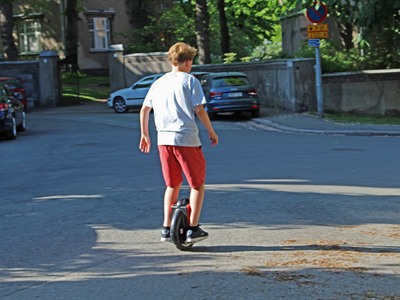
Single-wheel electric personal mobility activity where riders balance and steer using body movements while traveling on a self-balancing motorized wheel.
General Information
Overview
Electric unicycling is a rapidly growing micromobility activity that combines personal transportation with a unique balancing challenge. Riders stand on pedals mounted to either side of a single motorized wheel and control movement by shifting their body weight forward, backward, and side to side. Modern electric unicycles use sophisticated self-balancing technology, allowing riders to travel efficiently while maintaining stability once basic skills have been learned.
Across the United States, electric unicycles are used for commuting, recreational riding, group rides, and long-distance touring. Enthusiasts often gather in local riding clubs and online communities to share routes, safety practices, and riding techniques. Electric unicycles vary significantly in performance, with some beginner models designed for slower neighborhood riding while advanced models offer extended range, suspension systems, and speeds suitable for experienced users riding on a variety of terrain.
Learning to ride an electric unicycle requires patience, balance, and practice, making it more challenging than many other personal electric vehicles. Most new riders spend several sessions developing confidence before riding comfortably in public areas. Once mastered, the activity provides an efficient and enjoyable way to travel while offering a strong sense of freedom and maneuverability. Rides can last from short neighborhood trips to multi-hour excursions, depending on the rider's goals and the capabilities of the equipment being used.
This article uses material from electric unicycle manufacturers, retailers, rider communities, and publicly available educational resources describing electric unicycle technology, safety considerations, recreational use, and commuting applications in the United States.