Electric-powered hydrofoil board sport where riders glide silently above the water’s surface using a handheld throttle and submerged lifting wing.
General Information
Overview
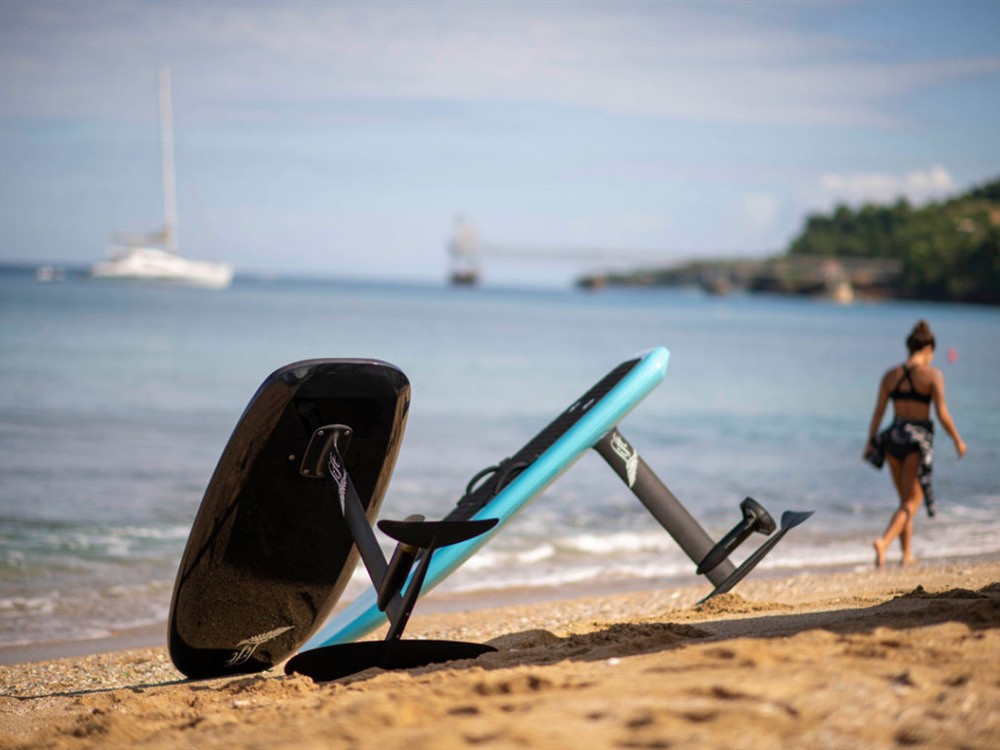
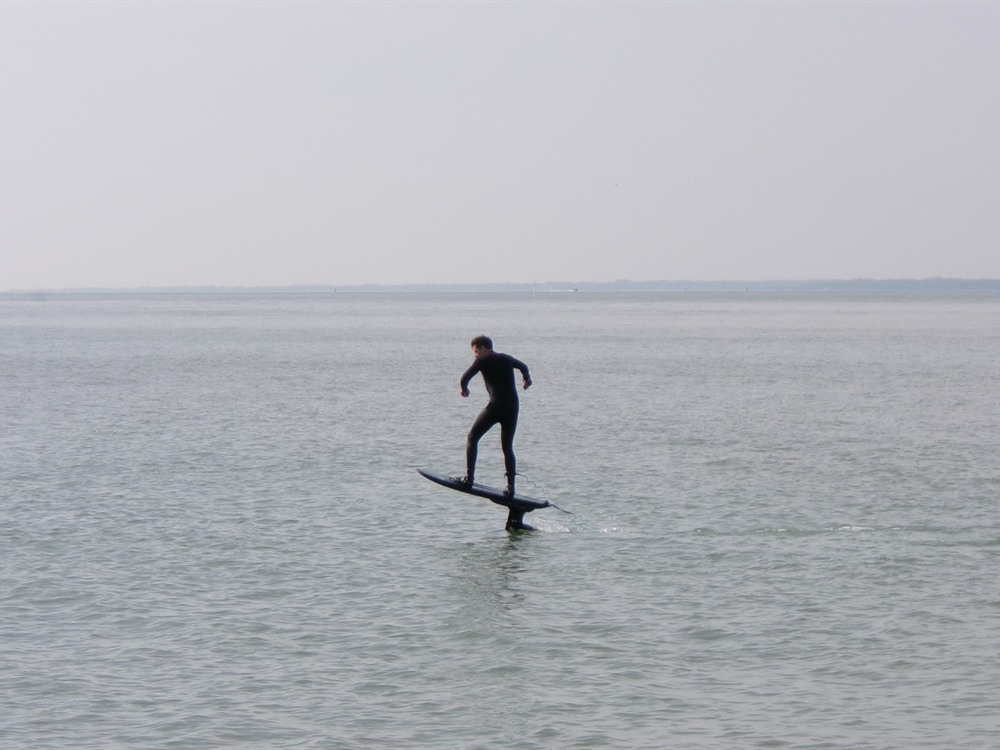
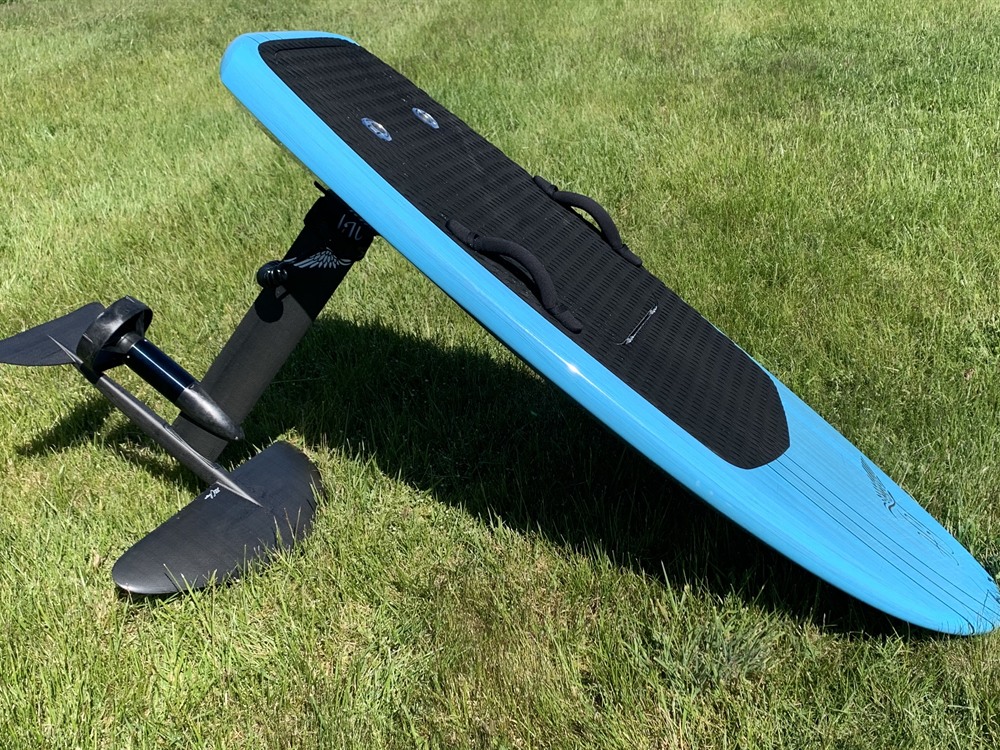
E-foiling is a modern watersport that combines electric propulsion with hydrofoil technology to create the sensation of flying above the water. Riders stand, kneel, or lie on a specialized board powered by a rechargeable battery and electric motor. As speed increases, the underwater hydrofoil generates lift, raising the board above the surface and greatly reducing drag. This creates a smooth, nearly silent riding experience unlike traditional surfing, wakeboarding, or personal watercraft activities.
The activity has expanded rapidly across the United States, especially in destinations such as Hawaii, Florida, California, and Texas. Professional schools and tour operators offer lessons for beginners using stable boards, safety equipment, and real-time coaching. While e-foiling may look challenging, many first-time participants are able to stand and experience controlled flight during their initial session. Lessons generally include instruction on safety, throttle control, balance, turning techniques, and efficient riding positions.
E-foiling is most enjoyable in calm water conditions found on protected bays, lakes, lagoons, and sheltered coastal areas. The sport is considered moderately difficult because balance and coordination are important, but it requires less physical effort than many board sports due to the electric motor providing propulsion. Sessions typically last one to two hours and can appeal to both adventure seekers and casual recreational participants looking for a unique way to experience waterways. As equipment technology continues to improve, e-foiling is becoming an increasingly accessible activity for travelers and watersports enthusiasts throughout the United States.
This article uses material from e-foil operators, tourism resources, and educational articles discussing electric hydrofoil activities in the United States, including Hawaii eFoil Experience, DFW Surf, and related e-foiling instructional resources, as well as publicly available reference materials describing the sport and its development.