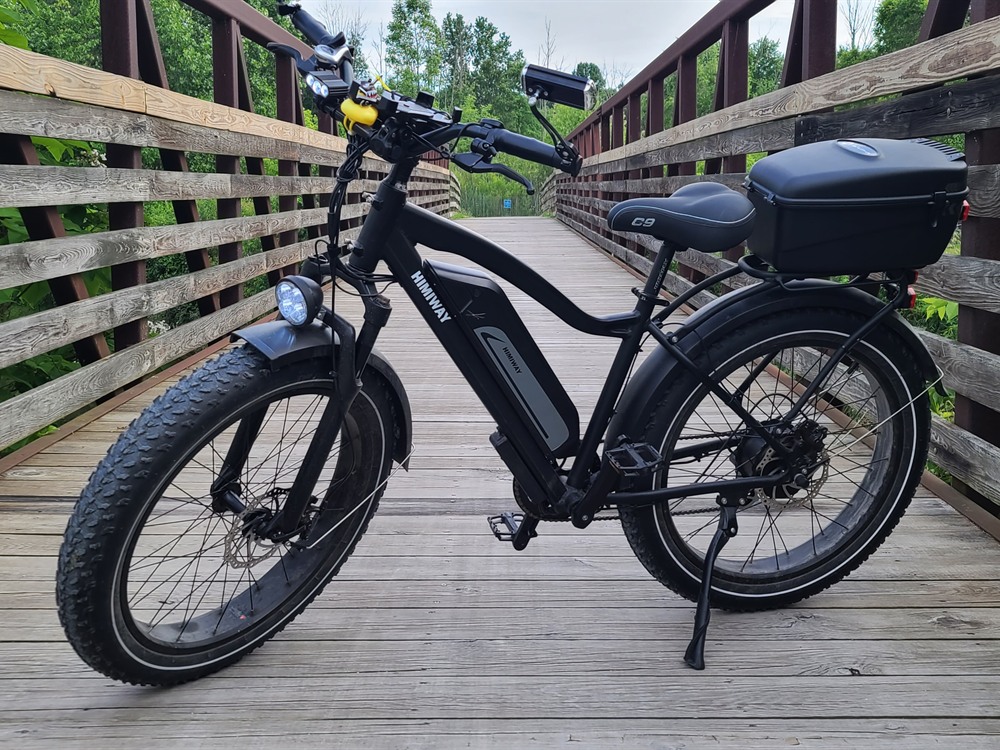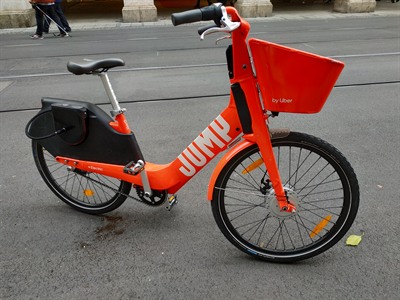
Electric-powered cycling activity that uses a battery-assisted bicycle to make riding easier while exploring roads, trails, parks, and scenic destinations.
General Information
Overview
E-biking, also known as electric biking, is a rapidly growing recreational activity that combines traditional cycling with battery-powered pedal assistance. Electric bicycles use a motor to supplement a rider's effort, making it easier to travel longer distances, climb hills, and maintain comfortable speeds. Because riders can choose how much assistance they receive, e-bikes have become popular among both experienced cyclists and people seeking a more approachable way to enjoy outdoor recreation.
Across the United States, e-bikes are commonly used on paved trails, park pathways, scenic routes, and designated cycling networks. Many communities and tourist destinations now offer e-bike rentals and guided tours that allow visitors to cover more ground than they might on a conventional bicycle. Popular riding locations range from coastal bike paths and urban greenways to mountain recreation areas and scenic countryside routes, providing opportunities for sightseeing, fitness, and exploration.
One of the primary advantages of e-biking is its accessibility. The motor assistance can help riders of varying ages and fitness levels enjoy cycling together, even on challenging terrain. Most outings last a few hours and require only basic cycling skills, making the activity suitable for beginners while still appealing to enthusiastic cyclists. With growing trail access, improving technology, and widespread rental availability, e-biking has become one of the most popular forms of outdoor recreation and active transportation in the United States.
This article uses material from the Wikipedia articles for Electric bicycle and Cycling, along with information from bicycle advocacy organizations, state recreation departments, and tourism boards. The content is available under the Creative Commons Attribution-ShareAlike License; additional terms may apply. See the Wikipedia articles for further information.