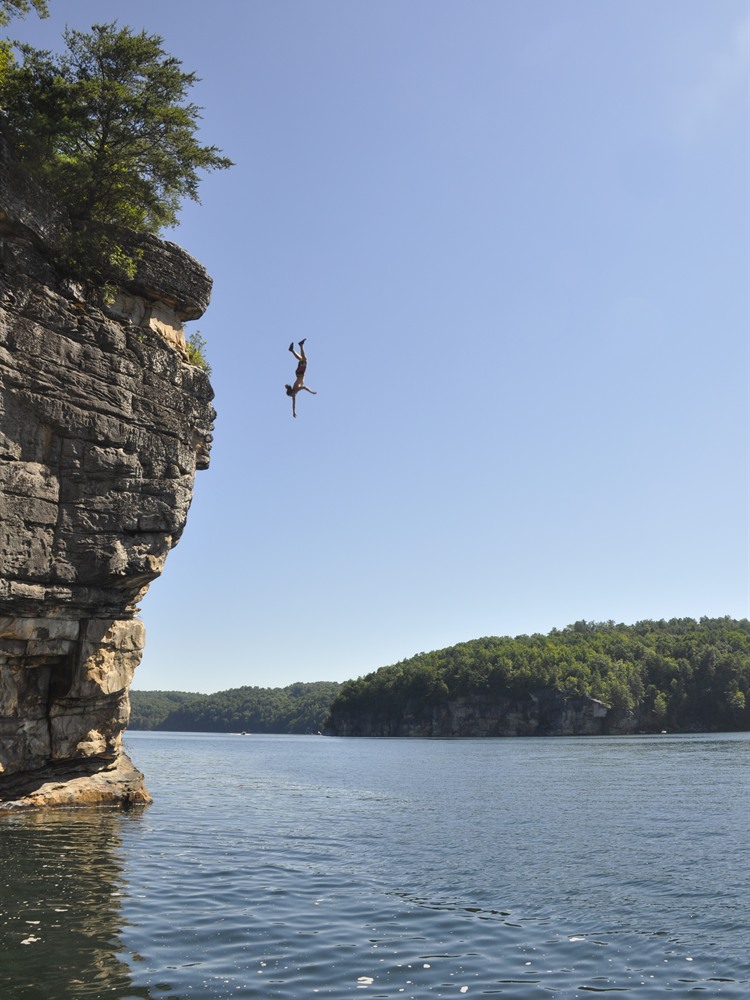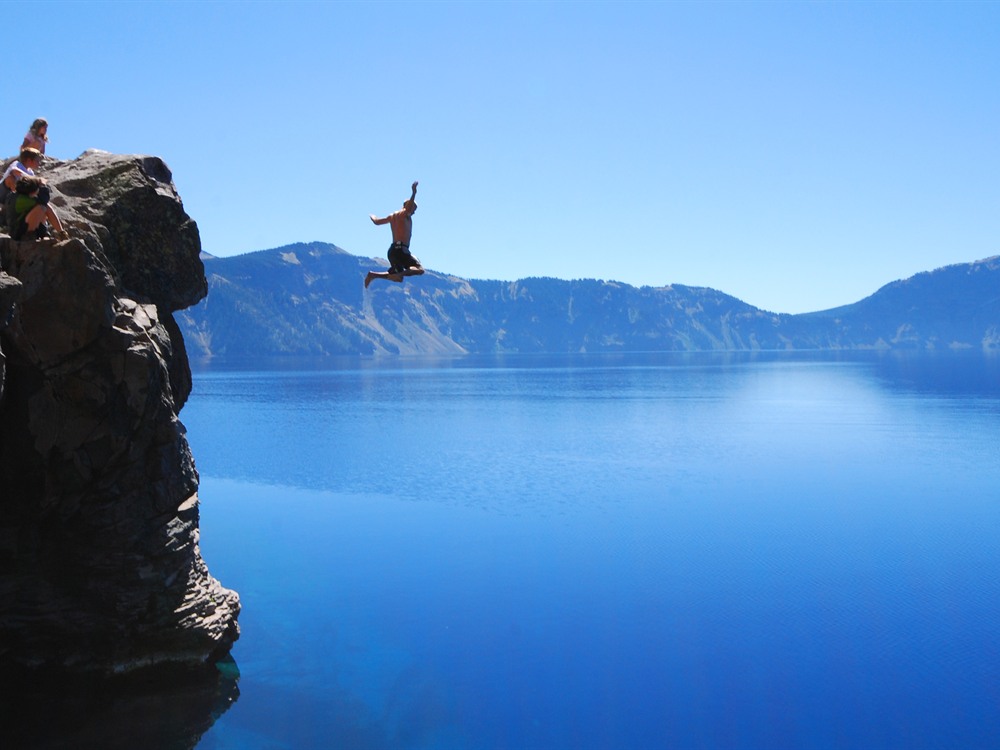
Adventure activity where participants jump from natural rock ledges into deep bodies of water such as lakes, rivers, quarries, or ocean coves below.
General Information
Overview
Cliff jumping is an outdoor adventure activity in which participants leap from natural rock formations into deep water below. The activity can take place at lakes, rivers, waterfalls, quarries, and coastal locations, offering an exhilarating combination of height, freefall, and swimming. Many enthusiasts are drawn to the challenge and excitement of jumping from elevated ledges while enjoying scenic natural environments that are often accessible only through hiking or boating.
Popular cliff-jumping destinations can be found throughout the United States, ranging from western reservoir landscapes and desert canyons to forested swimming holes and coastal environments. Many locations feature multiple jump heights that allow participants to gradually build confidence. The activity is frequently combined with other outdoor pursuits such as boating, paddleboarding, hiking, camping, and swimming, making it a popular feature of summer recreation trips.
While cliff jumping can be an exciting experience, participants must carefully evaluate water depth, submerged hazards, currents, weather conditions, and local regulations before attempting any jump. The activity requires strong swimming ability and good judgment, as natural environments can change over time. Most cliff-jumping outings occur during warm-weather months and may last several hours, providing opportunities for repeated jumps and recreational enjoyment in natural aquatic settings.
This article uses material from the Wikipedia articles for Cliff jumping and related outdoor recreation topics, along with information from state park agencies, recreation authorities, and outdoor tourism resources throughout the United States.