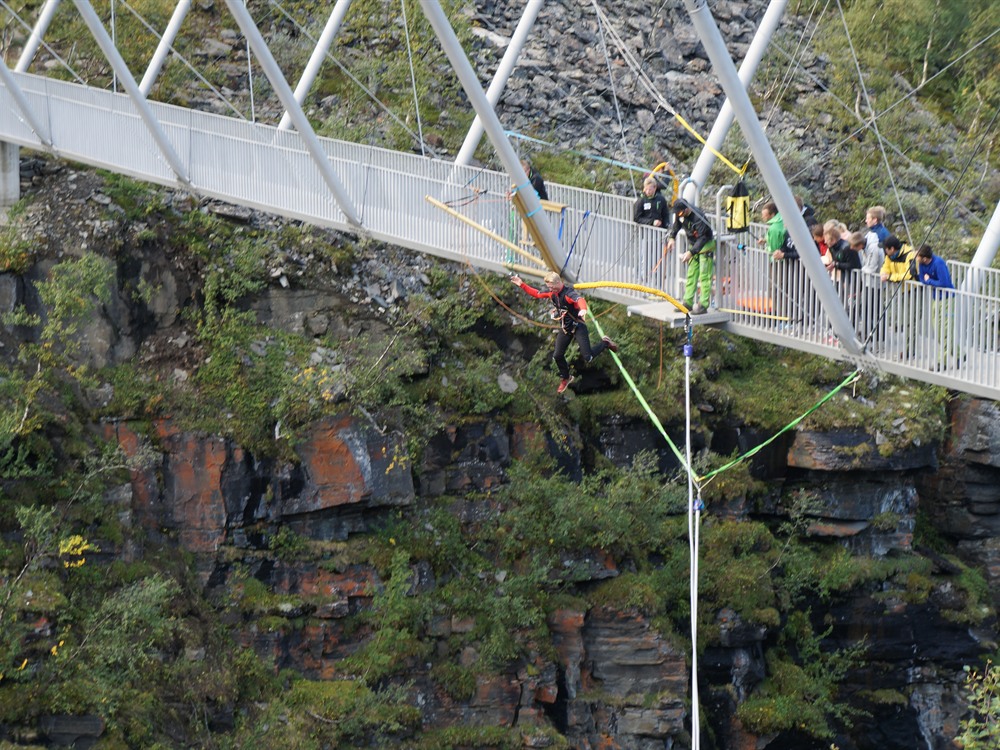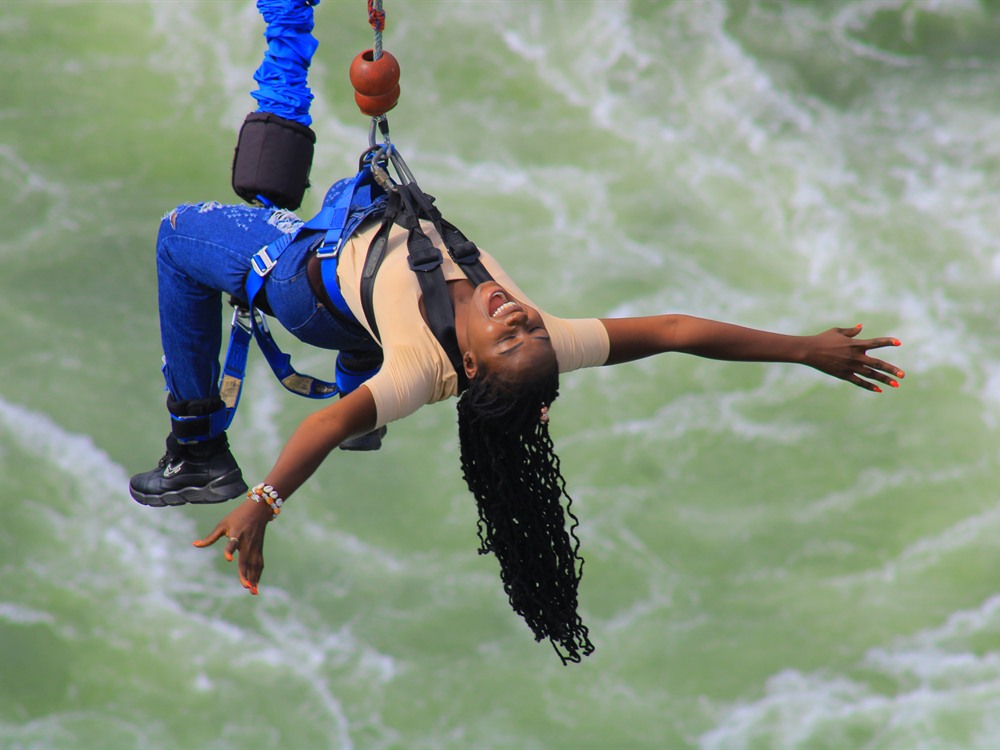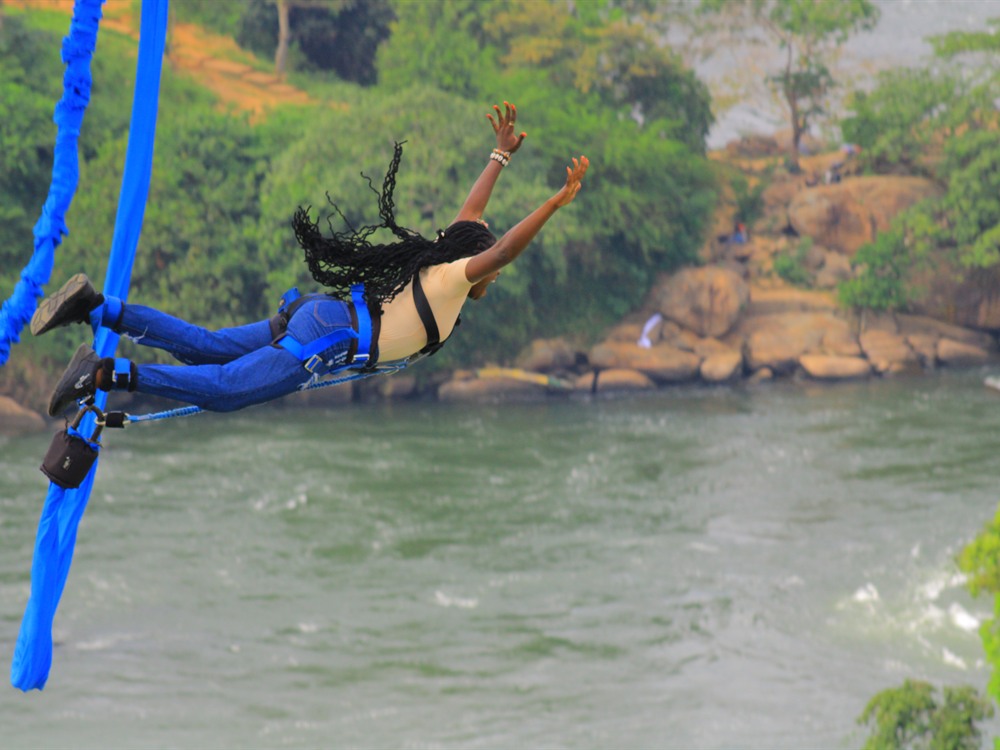
Adventure activity where participants leap from a fixed platform while attached to an elastic cord that safely rebounds them before reaching the ground or water below.
General Information
Overview
Bungee jumping is an extreme adventure activity in which participants jump from a considerable height while connected to an elastic cord specifically designed to absorb and redistribute the forces of the fall. After the initial freefall, the cord stretches and rebounds, creating a series of controlled oscillations before the participant is recovered by trained staff. The activity has become a popular attraction at adventure tourism destinations and specialized recreation facilities throughout the United States.
Modern commercial bungee jumping places a strong emphasis on safety through the use of engineered equipment, detailed procedures, and trained operators. Participants typically receive a safety briefing and are fitted with professionally inspected harnesses or ankle attachments before the jump. Many locations offer a variety of jump heights and viewing experiences, allowing first-time jumpers and experienced thrill-seekers alike to challenge themselves in a controlled environment.
Although the activity requires minimal technical skill, it can be mentally demanding because participants must overcome the natural fear associated with jumping from significant heights. Most people with average fitness levels can participate if they meet operator requirements and health restrictions. The overall experience usually occupies only a few hours, making bungee jumping a memorable way to experience the excitement of freefall and one of the most iconic forms of adventure recreation in the world.
This article uses material from the Wikipedia article for Bungee jumping and information from commercial adventure tourism operators and recreation organizations in the United States.