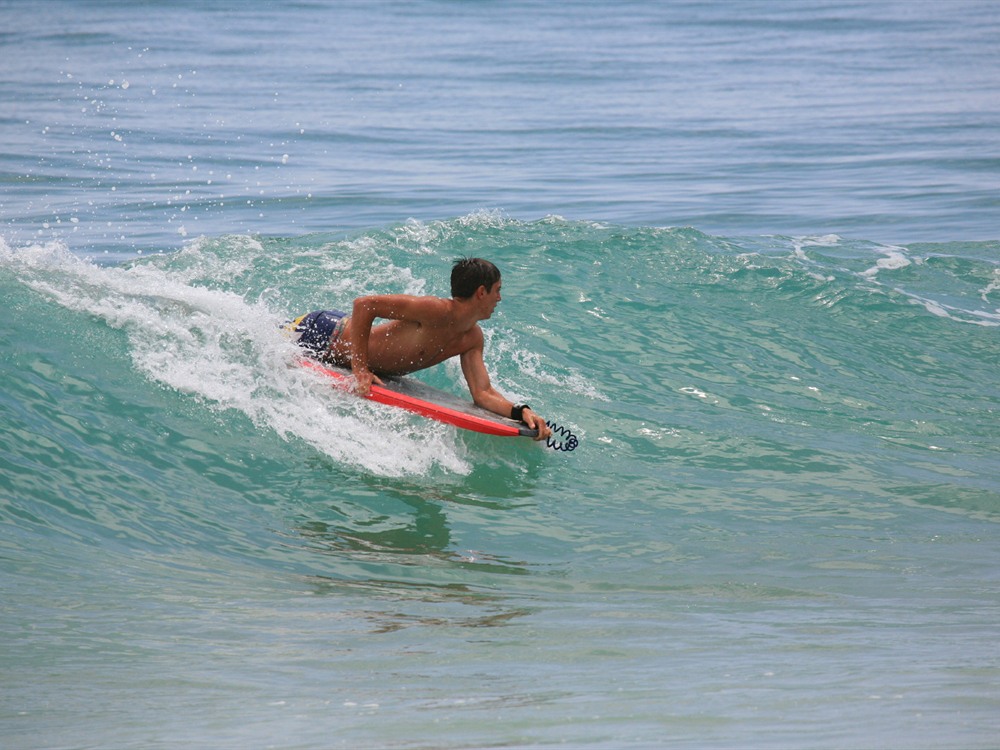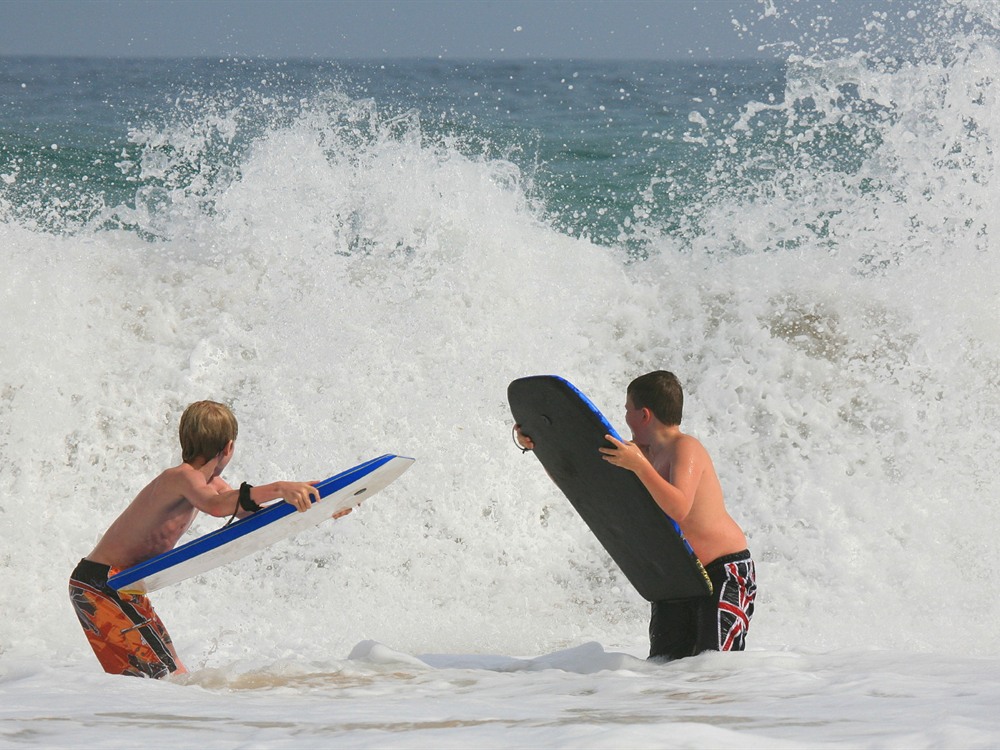
Wave-riding beach activity where participants lie or kneel on a small board and use breaking surf to glide toward shore.
General Information
Overview
Boogie boarding, also known as bodyboarding, is a popular ocean recreation activity that allows participants to ride waves using a small foam board. Unlike traditional surfing, riders generally remain lying down or kneeling on the board, making the activity more approachable for beginners. The combination of simple equipment, easy learning curve, and exciting wave action has made boogie boarding a favorite beach activity for families, vacationers, and water sports enthusiasts throughout the United States.
The sport can be enjoyed at a wide variety of beaches, ranging from gentle surf breaks suitable for children to larger waves that attract experienced riders seeking speed and maneuverability. Hawaii played a significant role in the development of modern bodyboarding and remains one of the country's premier destinations. Many coastal communities offer bodyboard rentals and lessons, making it easy for visitors to participate without investing in their own equipment.
Boogie boarding is generally considered easier to learn than stand-up surfing because riders maintain a lower center of gravity while riding waves. Basic swimming ability and awareness of ocean conditions are important for safety, but most beginners can learn the fundamentals quickly. Sessions commonly last from one to several hours depending on wave conditions and personal energy levels, providing a fun and accessible way to experience the excitement of the ocean while enjoying a day at the beach.
This article uses material from the Wikipedia article for Bodyboarding and information from official tourism organizations, beach recreation programs, and coastal recreation resources throughout the United States.