Observation-focused travel activity where participants seek clear night skies to witness colorful natural light displays produced by solar particles interacting with Earth's atmosphere.
General Information
Overview
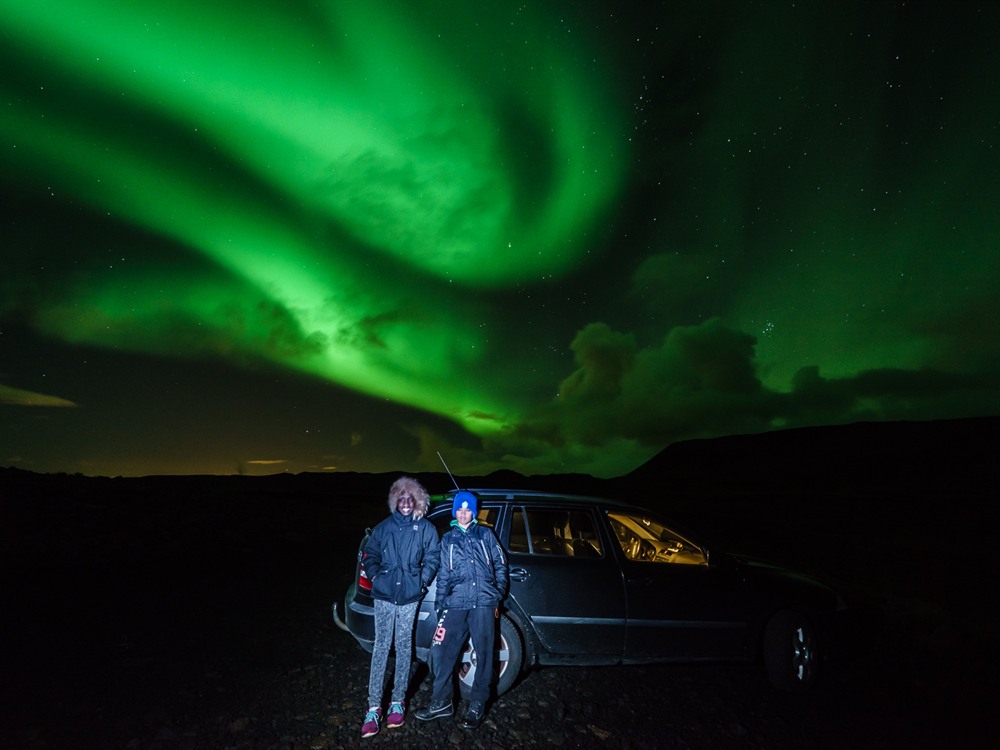
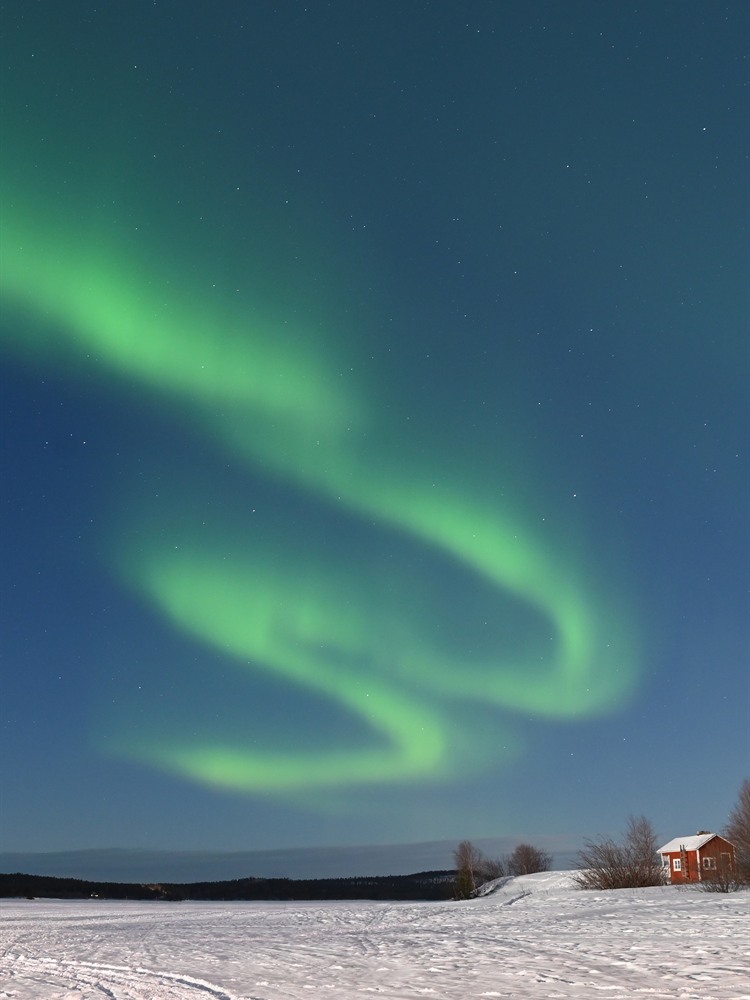
Aurora chasing is the pursuit of viewing the aurora borealis, also known as the Northern Lights, a natural phenomenon that creates colorful displays across the night sky. The lights occur when charged particles from the Sun interact with Earth's magnetic field and upper atmosphere, producing moving curtains and arcs of green, purple, pink, and red light. In the United States, Alaska is widely regarded as the premier destination for aurora viewing due to its northern latitude, long winter nights, and relatively low levels of light pollution.
Many travelers plan dedicated trips around aurora forecasting and seasonal viewing opportunities. Guided excursions are available throughout Alaska and often include transportation to remote viewing sites, photography assistance, and local knowledge about weather conditions. Independent travelers can also pursue the activity at relatively low cost by monitoring forecasts and visiting dark locations away from urban lighting.
Successful aurora viewing depends on a combination of darkness, clear skies, and solar activity. The activity is considered easy for most people because it requires no specialized physical skills, though participants should be prepared for cold outdoor conditions, especially during winter. Viewing sessions often last several hours since aurora activity can vary throughout the night, and many enthusiasts consider the experience of watching the lights dance across the sky to be one of North America's most memorable natural attractions.
This article uses material from the Wikipedia article for the Aurora and information from official tourism organizations, astronomy resources, and aurora forecasting services in Alaska and the United States.